Why Did My Credit Score Drop 40 Points? Common Reasons + How to Fix It

A 40-point credit score drop can feel stressful, but it’s usually caused by a specific change — like higher credit utilization, a late payment, a new account, or an error on your credit report. The good news is that most drops are temporary and can be reversed with the right steps. This guide explains what likely caused the decline, how long it may last, and how to recover strategically. Staying proactive — including monitoring your credit and addressing inaccuracies — can help protect your score moving forward. Tools like Dovly AI can also support ongoing credit monitoring and help you stay ahead of potential issues.
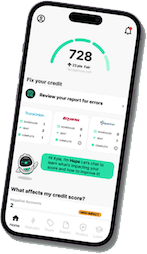
Seeing your credit score drop 40 points can feel alarming, especially if you haven’t made any major financial mistakes. While it may seem sudden, a drop this size is rarely random and is usually tied to one or two specific changes on your credit reports.
Credit scores can fluctuate even when you have solid financial habits. Small shifts — like higher debt balances or new credit cards — can temporarily impact your credit score. In this guide, we’ll explain what likely caused the drop, how long it may last, and what you can do to recover. We’ll also touch on how different versions of your FICO credit score work, how information from the three major credit bureaus affects your credit, and why keeping an eye on your credit profile matters.

Is a 40-Point Credit Score Drop Normal?
A change of a few points is normal. A 40-point drop is a significant drop, but it’s not catastrophic. It simply signals that something meaningful changed in your credit profile.
People with excellent credit scores often see larger swings because their scores are more sensitive to changes like credit utilization ratio or new inquiries. Those with lower scores may experience smaller fluctuations. Because many factors influence your credit score, identifying what changed is the first step toward fixing it.
The Most Common Reasons Your Credit Score Dropped 40 Points
High Credit Utilization (The #1 Cause)
Credit utilization rate measures how much of your available credit you’re using, and it’s one of the most influential credit score factors. It applies to revolving credit accounts like credit cards, not installment loans such as personal loans, auto loans, or mortgages.
For example, carrying a $4,000 balance on a $10,000 credit card puts your utilization ratio at 40%, which is higher than recommended.
Ideal utilization rate:
- Under 30% is good
- Under 10% is best
A single large purchase can trigger a sudden drop. Credit card issuers report balances monthly, so if your balance spikes when it’s reported, your credit score can fall even if you pay on time. A credit limit increase can help lower utilization, as long as spending stays the same. Monitoring other accounts ensures your total utilization across all cards stays in check.
Late or Missed Payments
Payment history has the biggest impact on your credit score, and even one late payment or skipped payment on past due bills can cause a noticeable drop.
A late payment is made after the due date, while a missed payment typically means the account reaches 30 days past due and is reported to the bureaus. This can happen with:
- Credit card payments
- Loan payments
- Utility bills or other past due bills
Even one skipped payment can negatively impact your credit score and may remain on your credit reports for seven years, which is why autopay and reminders matter.
New Credit Accounts or New Loan Activity
Opening new accounts often leads to a temporary credit score dip. Adding new credit, accounts, or lines can affect your score even if you’re approved.
This includes:
- Personal loans
- Auto loans
- Mortgages
- New credit cards
New accounts lower the average age of accounts and shorten your credit history, both of which factor into your FICO credit score. Maintaining a healthy credit mix of installment loans and revolving credit helps reduce future drops.
Hard Inquiries on Your Credit Report
A hard inquiry occurs when a lender checks your credit after you apply for a new card or loan.
One inquiry usually costs only a few points, but multiple inquiries close together can add up. The exception is rate shopping — mortgage and car loan inquiries within a short window are typically grouped and counted as one.

Credit Limit Decreases or Account Changes
Your credit score can drop even if you didn’t take action. Issuers may lower your credit limit or close inactive accounts.
A lower credit limit instantly raises your utilization ratio and reduces available credit. Closing older accounts, especially your oldest accounts, can also hurt your credit mix and make your profile look riskier.
Errors on Credit Reports or Identity Theft
Mistakes on credit reports are more common than many people realize. Incorrect account info, duplicate accounts, or unfamiliar other accounts can all drag down your credit score.
In some cases, you may be a victim of identity theft, where fraudulent accounts appear without your knowledge. Reviewing reports from all three major credit bureaus is essential — even a single error can cause a sudden drop — but it’s often fixable.
How Long Does a Credit Score Drop Last?
How long a credit score drop sticks around depends on what caused it. Remember: a credit score takes time, but not forever.
- High utilization: often rebounds within a few weeks to 1–2 months once balances drop
- Missed or late payments: can affect your score for months or years, though the impact fades over time
- Hard inquiries: typically cause a short-term dip and recover quickly
Most drops are temporary once the underlying issue is addressed.
How to Recover After Your Credit Score Dropped 40 Points
Lower Your Credit Utilization Fast
This is the fastest way to regain points.
- Pay down credit card balances
- Spread balances across multiple cards
- Request a credit limit increase (without increasing spending)
Focus on your credit utilization ratio, not total debt.
Get Back on Track With On-Time Payments
Payment history matters most, so consistency is critical.
- Set up autopay
- Use payment reminders
- Make at least the minimum payment if needed
On-time payments won’t erase past mistakes overnight, but they drive recovery.
Avoid Opening New Accounts (Temporarily)
Pause new credit applications after a drop. New accounts lower your average age of accounts and can slow improvement.
Exceptions include necessary loans, like a mortgage or car loan.
Check and Dispute Errors With Credit Bureaus
Pull your credit reports from all three bureaus.
- Dispute incorrect account information
- Flag unfamiliar other accounts
- Take identity theft protection steps if needed
You don’t have to accept inaccurate data, and fixing errors can speed recovery.
Can You Still Get Approved With a Lower Credit Score?
Yes — but terms may change.
A lower credit score can mean higher interest rates or smaller credit limits. Loan approvals are often more sensitive to credit score changes than credit cards, and mortgages tend to be the most impacted.
The important thing to remember: this isn’t permanent. As your credit score recovers, approval odds and rates improve.
How to Prevent a Future Credit Score Drop
Preventing future drops is about consistent habits and staying aware of your credit. Small, proactive steps make a big difference over time.
- Monitor your credit regularly: Check your credit reports from all three bureaus and track your FICO score versions.
- Keep credit utilization low: Stay under 30% on credit accounts, ideally under 10%. Spread debt across multiple cards.
- Make payments on time: Set up autopay or reminders; even minimum payments count.
- Protect against identity theft: Monitor all account info, freeze credit if needed.
- Be strategic with new credit: Open accounts only when necessary; keep older accounts to maintain average age.
- Maintain healthy long-term financial habits: Budget, track debt-to-income ratio, and treat credit as a long-term tool.

A 40-Point Score Drop Is a Signal, Not a Sentence
A 40-point drop doesn’t mean your credit score is ruined — it’s a signal that something changed. Most drops are temporary and fixable with consistent action.
Remember:
- Credit scores respond to behavior, not panic
- Paying on time and keeping utilization low can reverse most dips
- Monitoring your credit reports and catching errors early prevents future surprises
- Avoid opening unnecessary accounts and protect yourself from identity theft
Small, smart steps add up. With proactive monitoring and strategic credit management, you can recover quickly and even strengthen your credit score over time. Tools like Dovly AI make it easier to track your credit, identify issues, and stay on top of your finances — helping you avoid future drops before they happen.

Frequently Asked Questions
Is it normal for your credit score to drop 50 points?
What is the 2 2 2 credit rule?
Why did my credit go down 45 points?
Why did my credit score randomly drop 36 points?


COMPANY
SUPPORT
LEGAL
CREDIT HELP
COMPARE OPTIONS
© 2026 Dovly, Inc. All rights reserved.