What Credit Score Is Needed to Buy a Mobile Home?
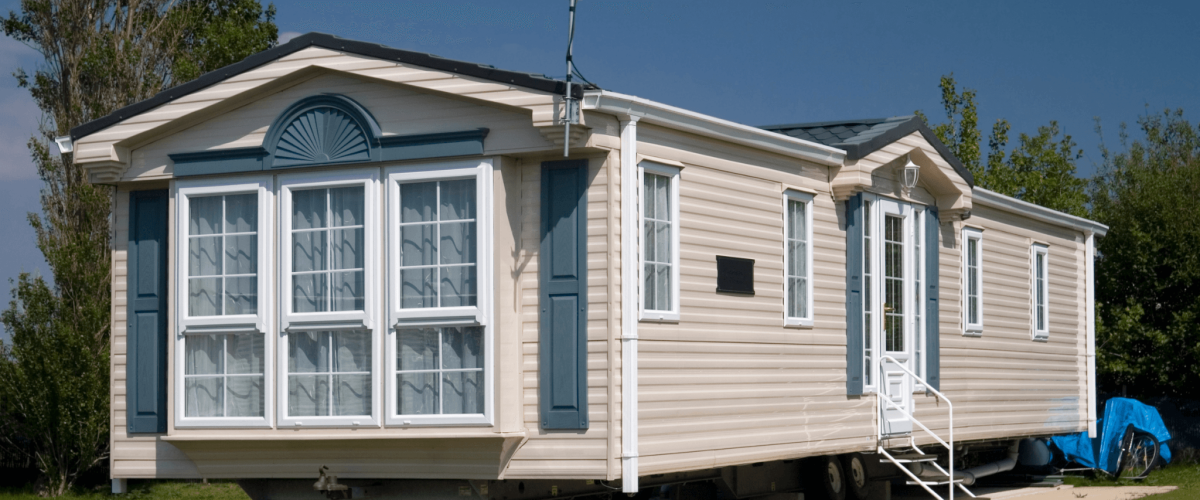
Buying a mobile home can be a more affordable path to homeownership, but your credit plays a big role in qualifying for the right loan. In this guide, we break down the credit scores needed for different types of mobile home financing, explain what lenders look for, and share tips to improve your score before you apply. With the right preparation, you can secure better loan terms, lower interest rates, and make your mobile home dream a reality.
Buying a home is one of life’s biggest goals—but not everyone is aiming for a traditional style home with a hefty mortgage and decades of upkeep. For thousands of families, retirees, and first-time buyers, a mobile home offers the comfort and stability of homeownership at a fraction of the cost.
Mobile homes—also known as manufactured homes—have come a long way. Today’s models are modern, energy-efficient, and customizable to fit almost any lifestyle. Plus, they’re often more affordable than traditional style homes, making them an attractive option for buyers who need flexible financing options.
But here’s the catch: your ability to qualify for a mobile home loan depends heavily on your credit. So, what credit score is needed? The answer depends on the lender, the type of loan, and your overall financial profile. Your credit score requirements will influence your mobile home loan approval odds, your minimum down payment, and the interest rates you’ll be offered.
In this guide, we’ll break down the minimum credit score for different types of mobile home financing, explain how lenders view your application, and share tips to boost your score before you apply.
By the end, you’ll know exactly how to prepare for success—and how Dovly AI can help you get there.

The Minimum Credit Score for a Mobile Home Loan
The phrase minimum credit score comes up a lot when people are shopping for mobile home loans. Here’s the truth: there isn’t a single universal number that applies to every mobile home loan. Different lenders and loan types have different rules.
- With some lenders, a credit score around 580 might get you approved.
- Many conventional loans want 620 or higher.
- Higher credit scores (think 700+) can unlock the best financing options, lower monthly payments, and the best interest rates.
Why There’s No One-Size-Fits-All Answer
Because manufactured home loans are offered in so many ways—each program comes with its own set of credit score requirements. That’s why knowing your own credit report and cleaning up any errors is such a crucial first step.
What Lenders Look for When You Buy a Mobile Home
When you apply for mobile home financing, lenders don’t just glance at a single number and call it a day. They take a careful look at several aspects of your financial picture to decide whether you qualify and what kind of loan terms you’ll be offered. From your credit score and down payment to your overall financial history, each factor plays a role in shaping your approval odds and the interest rates you’ll pay.
Let’s break down the three biggest things lenders evaluate when reviewing your application:
Why Your Credit Score Is a Big Deal
Your credit score is more than just a number—it’s your financial reputation. Lenders use it to decide whether to trust you with money.
Think about it this way: if you’ve always made on-time payments on your car loan, kept your credit card balances under control, and shown a history of reliable income, lenders are more likely to approve you with great interest rates. On the flip side, if you’ve had bad credit in the past or your financial history includes missed bills, lenders see you as a bigger risk.
In the world of mobile home financing, your score influences:
- Whether you qualify at all.
- The size of your down payment.
- The loan terms available.
- The interest rates you’ll pay.
- Whether you’re eligible for programs like FHA, VA, or USDA loans.
Down Payment Requirements Explained
The down payment is one of the biggest factors in any mobile home financing deal. It shows lenders you’re invested and gives you immediate equity.
Here’s what it looks like on a $100,000 mobile home:
- FHA: down payment of 3.5% → $3,500.
- Conventional: 5–20% → $5,000 to $20,000.
- VA and USDA: 0% → $0.
That’s the difference between needing just a few thousand in savings versus having to put down tens of thousands when you purchase your mobile home.
And here’s the kicker: making a larger down payment can save you money long-term. By reducing the lender’s risk, you’ll often qualify for great interest rates, lower monthly payments, and better overall loan terms for your mobile home.
Other Factors That Lenders Consider
Your credit score is important, but it’s not the only thing lenders review when you apply for a mobile home loan.
Take the debt-to-income ratio, for example. This compares your monthly gross income to your debts. If you make $4,000 a month but $2,000 goes toward loans, credit cards, and bills, your DTI is 50%. Lenders like to see 36% or lower, because it suggests you’ll be able to handle your new monthly payments comfortably.
Lenders also look at your income history. If you’ve been with the same employer for several years, that reassures them you’ll have steady cash flow. Add in your payment history, credit utilization ratio, and other factors, and they build a complete picture of whether you’re ready to take on a mobile home loan.
Mobile Home Financing: Finding the Right Fit
When it comes to buying a mobile home, there’s no one-size-fits-all path to financing. The good news? There are several different types of manufactured home loans designed to fit a wide range of budgets, lifestyles, and credit situations.
Whether you’re working with fair to poor credit, saving for a larger down payment, or exploring programs available to veterans or rural buyers, chances are there’s a loan tailored for you.
FHA Loans: A Friendlier Option for Buyers
The Federal Housing Administration created FHA loans to help people with fair to poor credit become homeowners.
Unlike conventional financing, FHA loans are insured by the government, which means lenders take on less risk. That’s good news for you if your credit isn’t spotless. With an FHA, buyers with scores as low as 580 may qualify, and in some cases, lenders may even consider scores lower than that if you can make a larger down payment.
For example, imagine your credit score is 590. With a conventional lender, you might struggle to find approval. But an FHA loan could give you the green light with a down payment of 3.5% of the mobile home’s purchase price. On a $90,000 mobile home, that’s only $3,150 upfront—a manageable hurdle compared to conventional requirements.
It’s also worth noting that FHA has a specific product, Title II loans, which apply to mobile homes placed on fixed foundation.
Conventional: Better Rates for Higher Credit Scores
Conventional loans are not backed by the government, which means lenders set stricter rules. Typically, you’ll need at least a 620 credit score to qualify, but the higher your score, the better your options.
For example, a borrower with a 620 score may get approved but face higher interest rates and need a 10% down payment. Meanwhile, someone with a 720 score might qualify for 5% down and a far lower rate, saving thousands over the life of the loan.
Lenders like this setup because a higher score signals a proven history of responsible borrowing. If you can demonstrate a strong payment history, reasonable monthly debt payments, and a healthy debt-to-income ratio, conventional can be one of the most affordable ways to finance a mobile home purchase.

VA Loans: A Thank You for Service
For veterans and active military members, VA loans offer some of the most generous terms in the lending world. These loans, guaranteed by the Department of Veterans Affairs, make it possible to buy mobile homes with little or no money down.
Picture this: you’ve found a $90,000 mobile home. With an FHA loan, you’d need at least $3,150 for a down payment. But with a VA loan, you could walk into your new home with no down payment at all.
VA loans also tend to offer lower monthly payments because they don’t require private mortgage insurance (PMI). Add in generally lower interest rates, and veterans can save thousands compared to other programs. For those who’ve served, this is a tangible way the system gives back.
USDA: Perfect for Rural Buyers
If your dream mobile home is located in a qualifying rural area, USDA loans are worth exploring. These loans were created to encourage homeownership in less populated regions, and they come with major perks.
Most USDA lenders look for a credit score of 640 or higher. If you qualify, you’ll enjoy zero down payment requirements, flexible loan terms, and great interest rates.
Imagine two buyers: one shopping in the suburbs and one in a small town. The suburban buyer might need a conventional option with $10,000 down, while the rural buyer could use a USDA loan with $0 down and similar payments. That’s a huge difference in accessibility.
Chattel Loans: When Your Mobile Home Is Personal Property
Not all mobile homes are treated the same. If your mobile home is placed in a mobile home park or doesn’t sit on a fixed foundation, it may be considered your personal property. In that case, lenders often turn to chattel loans.
Think of these like car loans—they’re secured by the mobile home itself, not the land. Because the lender can’t count on real estate as collateral, the risk is higher. That’s why chattel loans usually come with shorter loan terms (15–20 years) and higher interest rates.
For many buyers, especially those living in mobile home parks, a chattel loan is the only option. While it may cost more, it still opens the door to mobile home ownership when other financing options aren’t available.
How to Increase Your Credit Score Before Applying
If your credit score isn’t quite where you want it to be, don’t panic—you’re not alone. Many buyers take a little time to strengthen their finances before applying for a mobile home loan, and the good news is, even small improvements can open up better financing options, lower interest rates, and more flexible loan terms.
Here are some practical steps to help boost your score before you apply for your mobile home loan:
1. Review Your Credit Report Carefully
Start by pulling your credit report from all three major bureaus—Experian, Equifax, and TransUnion. Accounts that don’t belong to you, incorrect balances, or payments that were actually made on time but reported late are all errors that can hurt you. Disputing and correcting these mistakes can give your score an immediate bump.
2. Pay Down Debt
Lenders look at your monthly debt payments compared to your income to calculate your debt-to-income ratio. Paying down credit card balances or other loans not only improves that ratio but also lowers your credit utilization ratio, which is a big factor in scoring models.
3. Focus on Payment History
Your payment history makes up the largest portion of your credit score. Making on-time payments on everything—from utilities to your car loan—signals to lenders that you’re dependable. Even one or two months of on-time payments can start moving your score in the right direction.
4. Avoid Taking on New Debt
Opening new accounts or applying for additional loans right before you apply for mobile home financing can work against you. Each new credit inquiry can temporarily ding your score, and adding new debt increases your risk profile. Try to keep things stable until after you’ve secured your loan.
5. Consider Credit-Building Tools
If your credit file is thin or you’re rebuilding after setbacks, consider tools like secured credit cards or credit-builder loans. Used wisely, they can establish positive credit that show lenders you’re serious about improving.
💡 Pro tip
Improving your score doesn’t have to take years. With just a few months of consistent effort—paying down debt, keeping balances low, and checking your credit report for errors—you can set yourself up for better mobile home financing options and more affordable monthly payments.

Keys to Your Mobile Home Future
So, what credit score is needed?
The answer depends on the path you choose for your mobile home. From FHA loans designed for lower credit to conventional loans for borrowers with higher credit scores, there’s truly a solution for almost everyone.
Here’s the takeaway: improving your credit score puts you in the driver’s seat. Better scores mean better interest rates, lower monthly payments, and more flexibility with loan terms.
👉 At Dovly, we’re here to help you unlock those opportunities. If you’re ready to repair, rebuild, or maximize your credit, we’ve got the tools to make it happen—so your dream mobile home purchase is closer than ever.
Frequently Asked Questions
What is the minimum credit score for a mobile home loan?
What is the lowest down payment for a mobile home?
How hard is it to get mobile home financing?
What score do you need to buy a mobile home?


COMPANY
SUPPORT
LEGAL
CREDIT HELP
COMPARE OPTIONS
© 2026 Dovly, Inc. All rights reserved.