How to Fix 400 Credit Score Without Shame, Panic, or Feeling Behind

A 400 credit score can feel overwhelming, but it’s not permanent. This guide walks you through the key steps to rebuild — including checking your credit reports, disputing errors, paying on time, lowering credit card balances, and adding positive credit history. With consistency and the right strategy, you can create real momentum toward a stronger score. Tools like Dovly AI can help you stay on top of your credit and make the process simpler along the way.
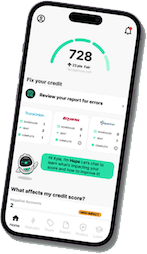
If you’re reading this, there’s a good chance you’ve seen a 400 credit score and your stomach’s dropped.
A 400 credit score is not a reflection of who you are. Medical bills, job loss, reduced income, family responsibilities or just getting in over your head because life got too busy can all drag a score down faster than you can recover.
Here’s the important thing: credit scores are meant to change. You’re not failing, you’re not broken. You’re just at the beginning of rebuilding.

How to Fix Your Credit: A Step by Step Guide
When your credit score is really low, trying to sort everything out at once can be a real challenge. And that’s exactly why you shouldn’t try to. The goal is not to get your credit report perfect overnight – it’s to get stable first and then worry about making progress.
1) Get Your Three Credit Reports (Do It Now)
You don’t fix a credit score by making guesses – you do it by looking at the actual data that lenders see. And that means your credit reports, not just your credit score.
You can visit AnnualCreditReport.com and get your credit reports from each of the three credit bureaus or credit reporting agencies; Experian, Equifax and TransUnion. These three credit bureaus are responsible for keeping all your credit records. This is free and it won’t hurt your credit score. And don’t worry, checking your own credit score won’t hurt you – it’s an important part of learning to manage your credit.
Lots of people skip this step because it feels like too much to handle. Fair enough – but avoiding it is what keeps a 400 credit score stuck.
How to Review Your Report (Keep it Simple)
For each credit bureau, make a simple list of everything on your credit history:
- Collections Who’s reporting it, how much you owe and when it was opened
- Past due payments Which account, how late and how often
- Charge-offs If there’s still a balance and who owns the debt
- Repossessions, judgments or bankruptcies (if any)
- Open credit cards or loans Current balance, credit limit and payment status
2) Stop the Bleeding: Make Every Single Payment On Time
Sorting out disputes and old credit card balances is important, but this is more important. Past due payments are what keep a score low.
Paying bills on time has always been the biggest factor in improving your credit history. Payment history is 35% of your total credit score. One late payment, especially if it’s recent, can undo all your progress.
3) Check Your Credit Utilization Ratio (This Can Move Your Score Fast)
If you’ve got credit card debt, this one’s a big deal. Your credit utilization ratio is how much of your available credit you’re using. It’s calculated as how much you owe to how much you can borrow. This is the second most important factor in credit scoring. Using too much credit is one of the fastest ways to keep a poor credit score low.
What to Aim For* Get each card under 30 per cent of its credit limit to have a positive impact on your credit score
- Under ten percent is even better, especially if you have low credit
If you can only focus on one card, pay off the one that’s closest to being maxed out first. Reducing credit card debt, especially on cards that are almost maxed out, will make a disproportionate difference.
If You’re Maxed Out and Can’t Pay Down Fast
- Avoid getting lots of new credit while you’re getting back on your feet
- Only ask for a credit limit increase if you’re 100% sure you won’t run up the balance again
Higher limits can help your credit utilization ratio – but only if your spending habits change too.
4) Dispute Obviously Wrong Stuff on Your Credit Reports (Free & A Big Impact)
Not every negative mark on your credit report is legitimate or accurate. Take a close look for:
- Credit accounts that don’t belong to you
- Wrong dates for missed payments
- Duplicates or collections that are missing details
- Incorrect balances
- Accounts that say they’re “open” when they should be closed
When you get those inaccuracies removed, your credit score will automatically recalculate – which can make a big difference if you’re starting from a low score.
5) Handle Collections The Right Way (Don’t Just Pay Randomly)
This is where loads of people accidentally mess things up for themselves. Before you pay any collection, do this:
Step-by-Step for Each Collection
- Make sure it’s a real bill
Does it actually match what’s on your credit history? Is the amount right? - Ask about “pay for delete”
See if the collector will agree to wipe the account from your credit report in exchange for payment. - Get it in writing
Don’t just pay because someone said so on the phone.
If they agree, that’s great.
If not, paying may still help – but the collection might still be on your report as “paid.”
6) Charge-Offs and Late Payments: Damage Control Mode Activated
If you’ve got charge-offs or a bunch of behind payments on your payment history, the goal is damage control, not trying to fix everything at once.
Charge-Offs With a Balance Left
- Try to settle for less if you need to
- Always get the settlement terms in writing
- Make sure you know how the account will be reported after you pay it off
Late or Missed Payments
Once you’ve had a few months of on-time payments, you can try making a goodwill request:
- Be polite and friendly
- Acknowledge that you were late and that you’re sorry
- Explain what was going on when you missed the payment
- Ask if they can remove the late as a favour
Late and Missed payments fade with time – but new ones will keep you stuck.
7) Add Some Positive Credit History (If Everything Is Closed or Negative)
If you don’t have any good, active credit accounts, you need to build some new, positive history. Building credit is super important for your long-term financial future, especially if you’re stuck on a low credit score. Loads of lenders have products that are designed to help people with low scores rebuild their credit. Using a secured credit card or credit-builder loan can be a great way to get started.
The Best Way To Rebuild Your Credit
- Get 1 secured credit card account
- Get 1 credit-builder loan
Loads of credit unions and online lenders have secured credit cards and credit-builder loans, so they can be a bit easier to get than some other options. Secured credit cards require you to put down a deposit, which becomes your credit limit, and can help you build credit over time. Just use the card a bit, keep your balance under 10%, and pay it off each month.
Credit-builder loans are often available at credit unions and are usually kind of straightforward. The loan amount is held in a savings account until you finish paying it off. These loans require fixed monthly payments, which are then reported to the credit bureaus and can help build positive payment history if you pay on time.
Thats it. You don’t need to open five new credit cards or apply for a whole bunch of new products all at once.

How Long Does It Take To Improve A Credit Score Of 400?
There is no set timeline for credit recovery, but it generally follows some pretty predictable patterns.
The First 1-3 Months: Stabilization
For loads of people with a credit score of 400, the first noticeable change isn’t a big jump – it’s just that things start to stabilise.
Once you stop making late or missed payments and your accounts are all paid on time, your credit score will start to stop falling. That’s a win in itself.
During this phase:
- New negative activity stops pushing your score down
- Your payment history starts to get more stable
- Your credit report starts to show that you’re actually making an effort
Even if your score doesn’t go up right away, this phase is important. You’re laying the groundwork.
3-6 Months: Early Signs Of Life
As on-time payments start to stack up and your credit card balances start to come down, loads of people see their score move into the 500s during this window.
This is when:
- Lower credit utilisation starts to have a positive effect
- Your positive payment history starts to count for more
- Any disputed errors may start to fall off your report
Progress at this stage can feel a bit slow – but it’s actually happening.
6-12 Months: Momentum Starts To BuildWith six or more months of payments coming in on time, your credit profile starts to take on a whole different look to lenders. By this point
- Your payments history is now something to be taken seriously
- New positive accounts can start helping make up for any older missteps
- And it’s not uncommon for your approval chances to start looking up from here
For people who’ve been struggling with their credit, this is often where things start to stop feeling hopeless and start feeling, well, just about manageable.
9–18 Months: Getting Up to 600 and Beyond
Getting to the 600s is no picnic, especially if you’ve got collections, charge-offs or past due payments hanging around in your credit history. But with continued consistency
- Those negative items of yours start to carry less weight\
- Your credit utilization stays under control\
- And your credit mix starts to get a bit more… interesting
This is where the real long-term progress starts to show up.
The Real Hit of a Low Score
A 400 credit score is about as bad as it gets in the eyes of both FICO score and VantageScore. It makes approvals tough to come by, and when you do get approved, the terms are going to be pretty rough. Lenders view people with a score this low as high-risk, which means higher interest rates and tighter requirements, or even just a flat-out denial.
But the impact of a low score goes way beyond just getting approved or not.
In reality, a bad credit score actually makes everyday life a whole lot more expensive and stressful. When your score is in the 400s, you’re not just a risk, you’re being priced as one. Credit checks aren’t just used by lenders, they’re used by landlords, utility companies, insurance companies – even sometimes employers – which limits your opportunities in all sorts of areas of life.
Higher Interest Rates – Even When You Do Get Approved
One of the sneakiest costs of a low score is interest. When lenders do end up approving people with bad credit, they tend to slap them with much higher interest rates, just to offset the risk. Which of course means higher monthly payments, more of your money going to interest rather than the balance, and paying thousands more over the life of a loan.
Two people can borrow the same amount, same terms – and one will end up paying way more just because they’ve got a worse credit score.
Lower Approval Odds (And The Rejection Blues)
A poor credit score often means more than a few denials. Lots of credit card, loan and other financing applications get automatically rejected by these scoring models before a human ever even looks at them.
Getting rejected over and over can be tough to take, and some people end up giving up and not even trying anymore – or applying everywhere at once, which of course just makes things worse.
Smaller Credit Limits (And The Utilization Trap)
When things do get approved, the credit limits are usually pretty low. Small limits are easy to blow past, which makes your credit utilization go up and keeps your score depressed. This is one reason people get stuck with bad credit even when they are making payments.
Car Loans (Or No Car At All)
Because cars are so important, a low credit score often means:
- Higher interest rates on car loans\
- Bigger down payments\
- Longer loan terms\
- And sometimes even getting pushed towards subprime lenders – which just means paying more in the long run
Personal Loans? Forget About It
Personal loans are what you use for emergencies or debt consolidation – but with a score this low, your options are almost non-existent and often super expensive. High interest rates and fees can turn short-term relief into a long-term financial headache.
Higher Deposits (For Everything)
Credit affects access to things – not just loans. With a bad credit score, you’re often required to put down:
- Bigger security deposits for rentals\
- Utility deposits for electricity or gas or water\
- Higher insurance premiums
These upfront costs can be major barriers – especially when you’re trying to get back on your feet.
The Emotional Hit
A bad credit score has an emotional toll that’s easy to overlook. It can make you avoid applying, feel like you’re not good enough, live with constant stress around emergencies – and that lingering sense of being behind. This mental weight can keep you stuck for longer than your credit score itself.
Why Improving Your Credit Score Really Matters
Raising your credit score doesn’t just make approvals easier. It also means lower interest rates, more available credit, smaller deposits – and a whole lot more options. Fixing a bad credit score isn’t about chasing a number – it’s about making life less expensive, less stressful, and way more flexible.

A 400 Credit Score Is Not A Life Sentence
If there’s one thing to take away from this whole guide, it’s that a 400 credit score is not permanent. It’s a snapshot – not your destiny.
Rebuilding your credit is about making small, consistent changes: paying on time, bringing down balances, fixing errors, adding some positive credit in there. Month by month, those changes will start to reshape your credit profile – even if the number itself doesn’t budge right away.
There will be times when nothing seems to be happening. There may be weeks where progress is slow or invisible. That doesn’t mean it’s not working – credit improvement is all about creating good habits, day in and day out.As your credit score starts to improve, life starts to get a lot less pricey and a lot less stressful – the interest rates drop, the approval odds go up and your deposits get smaller. You get more options and that brings with it something that really counts – a sense of confidence.
You don’t need to fix everything at once, just keep plugging away.
And if you need help, whether its advice on navigating your credit report or getting disputes sorted out – tools like Dovly can make things a heck of a lot simpler. So you don’t feel like you have to do it all on your own. You’re not at the end of your credit story yet. Your credit story is at a turning point – things are finally starting to look up.

Frequently Asked Questions
How long does it take to lift a credit score from 400 to 700?
How do you go from 400 to 600 credit score?
Is a 400 credit score really a bad thing?
Can I get a loan if I have a credit score of 400?


COMPANY
SUPPORT
LEGAL
CREDIT HELP
COMPARE OPTIONS
© 2026 Dovly, Inc. All rights reserved.