How Can I Refinance My Car With Bad Credit?

Refinancing your car with bad credit is absolutely possible—you just need the right strategy. This guide breaks down how auto refinancing works, what lenders look for, and the exact steps to secure a better rate or lower monthly payments even with a low score. From checking your credit reports and comparing lenders to boosting approval odds with simple credit fixes, you’ll learn how to approach refinancing smartly and confidently. With the right preparation (and tools like Dovly AI to help clean up your credit), you can make refinancing work in your favor and create more breathing room in your budget.
Refinancing a car can feel intimidating—especially if your credit score isn’t where you want it to be. But here’s the good news: you can refinance your car with bad credit. You just need to know how the process works, what lenders look for, and how to position yourself for the best possible deal.
Let’s walk through how to refinance a car loan, lower your monthly payment, and set yourself up for long-term financial progress—even with a less-than-perfect credit.

Step-by-Step: How to Refinance Your Car With Bad Credit
If you’re ready to get started, here’s a simple, realistic process to refinance your car—even with bad credit.
Step 1: Review Your Credit Reports
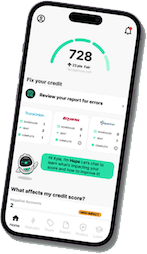
Start by checking your credit reports from each credit reporting agency (Equifax, Experian, and TransUnion). Make sure all information—especially your auto loan details—is accurate.
If you spot errors, dispute them before applying for auto refinancing. Tools like Credit Karma or Dovly’s credit-repair automation can help you monitor progress and fix mistakes faster.
Step 2: Know Your Current Loan Details
Before you start shopping, review the fine print of your current loan:
- Balance remaining on your original auto loan
- Current interest rate
- Remaining auto loan term
- Any prepayment penalties
Understanding your current loan gives you a clear picture of how much refinancing could save you.
Step 3: Research Lenders Who Work With Bad Credit
Not all lenders are created equal. You also don’t have to stay with your current lender. Focus on financial institutions and credit unions that accept lower credit scores or offer flexible auto refinance loan programs.
Pro tip: Search for lenders specializing in helping borrowers with bad credit or no credit history. You might be surprised how many auto financing options exist.
Step 4: Compare Lenders
Apply to several auto loan refinance companies within a short window (usually 14 days). That way, credit bureaus treat it as one inquiry on your credit report.
Comparing multiple lenders lets you see who offers the best interest rate, auto loan term, and monthly payment structure.
Step 5: Calculate Your Savings
Use an auto refinance calculator to see how much you could save money with a lower interest rate or longer repayment period.
If refinancing can get you lower monthly payments without extending the loan term too long, it might be worth the switch.
Step 6: Apply for the New Car Loan
Once you’ve found the best offer, apply for your new car loan. You’ll likely need:
- Proof of income (pay stubs or tax returns)
- Recent bank statements
- Vehicle information (VIN, mileage, title)
- Copy of your driver’s license and insurance
If approved, your new lender pays off your original loan, and you start making monthly payments on the new terms.
Why People Refinance Their Car Loans
Refinancing isn’t just about saving money—it’s about creating breathing room in your budget. If your current auto loan has a high interest rate or your monthly payments feel unmanageable, refinancing can help you:
- Reduce your interest rate if your credit score has improved.
- Lower your monthly payments to free up cash.
- Shorten or extend your auto loan term depending on your needs.
- Move your loan to a credit union or financial institution that offers better customer service or perks.
Even with bad credit, these small shifts can make a big difference in your financial health.
How Auto Loan Refinancing Actually Works
When you refinance a car loan, you’re essentially swapping your existing auto loan for a new loan—hopefully with better loan terms. Your new lender pays off your original loan, and you begin sending loan payments to them instead.
Because your vehicle acts as collateral, lenders see this as a relatively low-risk auto loan, which can work in your favor—even with a lower credit score.
Here’s what happens behind the scenes:
- You’re approved for a new auto refinance loan.
- The lender pays off your current car loan.
- You sign the new loan agreement and begin repayment on updated terms.
This swap can lower your interest rate, adjust your monthly payments, or even improve your long-term credit history if you maintain consistent, on-time payments.
What Lenders Consider Before Approving You
Even with bad credit, you can get approved for auto refinancing—but lenders still need to see stability. Most will review:
- Your credit score and credit reports
- Your loan-to-value ratio (LTV) (how much you owe vs. your car’s worth)
- Your income and employment history
- Your payment history with your current lender
Tip: Bring documentation. Bank statements, proof of employment, or evidence of a steady savings account can all help show you’re reliable. A little organization goes a long way.
Boosting Your Approval Odds (Even With Bad Credit)
A lower credit score doesn’t mean your options are gone—it just means you have to approach smarter. Here’s how to strengthen your application:
- Add a cosigner with good credit to reduce risk for the lender.
- Pay down other debts to improve your loan-to-value ratio.
- Avoid opening new accounts or taking on more credit before applying.
- Show proof of consistent income.
- Use Dovly to clean up errors or outdated negatives on your reports.
Even a small credit improvement can drop your interest rate and make a huge difference in your overall cost.
When Refinancing Isn’t the Right Move
There are times when refinancing just doesn’t make sense. Hold off if:
- You’re close to paying off your current loan.
- Your car’s value is lower than what you owe (high LTV).
- The refinancing fees eat up your potential savings.
- Your credit score recently dropped.
If that’s your situation, it’s smarter to focus on improving your credit history first. Dovly can help you build momentum quickly so you’re ready when rates or terms are better.
Alternatives to Auto Loan Refinancing
If you can’t qualify for auto refinancing right now, you still have options:
- Personal loans: Use one to pay down or replace your current car loan.
- Credit unions: Many offer hardship or refinance programs designed for rebuilding credit.
- Sell or trade in your car to eliminate the loan altogether.
- Improve your credit with Dovly, then try again in a few months.
Refinancing might not be right today, but it doesn’t mean it’s off the table forever. A few smart moves now can open more affordable doors later.

Refinancing a Car Loan: Ready to Take the Next Step?
Even with bad credit, refinancing a car loan is absolutely possible. The key is to understand your current auto loan, shop with multiple lenders, and stay consistent with your loan payments.
Improving your credit is the smartest way to unlock better refinancing options. Dovly can help you automatically dispute and remove errors from your credit reports, monitor changes, and build momentum toward a good credit score—so your next auto refinance loan works in your favor.
It only takes a few minutes to get started.
Start improving your credit today with Dovly AI.

Frequently Asked Questions
Can I refinance my car with a 500 credit score?
Can I get car finance with a 500 credit score?
How long before you can refinance a car with bad credit?
What are alternatives to refinancing a car loan?


COMPANY
SUPPORT
LEGAL
CREDIT HELP
COMPARE OPTIONS
© 2026 Dovly, Inc. All rights reserved.