Credit Score for Motorcycle Loan: What You Need to Know Before You Ride
Thinking about financing your next motorcycle? Your credit score plays a major role in whether you’ll get approved, and what interest rate you’ll pay. Motorcycle loans often have stricter requirements than auto loans, with lenders typically looking for a score of 660 or higher. In this guide, we’ll break down the credit score you need for motorcycle financing, how rates and terms compare to car loans, and tips for improving your credit so you can ride off with the best deal possible.
Buying a new or used motorcycle is more than just a purchase—it’s a lifestyle move. Whether you’re craving the thrill of weekend rides or need a budget-friendly way to commute, the open road is calling. But before you cruise off the lot, there’s one thing you can’t ignore: your credit score.
Just like with car loans, your credit score plays a key role in whether you’ll qualify for financing—and what kind of interest rate you’ll get. But motorcycle loans come with a few unique twists that might surprise you.
Let’s break down how your credit score affects your motorcycle loan, what you can do to improve your chances, and how to ride off with a deal that won’t wreck your wallet.

What Credit Score Do You Need for Motorcycle Financing?
When it comes to motorcycle financing, most banks and credit unions prefer a credit score of 660 or above, but options exist across a wide range. The higher your score, the better the terms—lower rates and fees, and more flexibility.
| Score Range | Loan Approval Chances | APR Estimate |
|---|---|---|
| 750+ (Excellent) | Very High | 4%–6% |
| 700–749 (Good) | High | 6%–9% |
| 640–699 (Fair) | Moderate | 10%–15% |
| 580–639 (Poor) | Low | 15%+ |
| Below 580 (Bad) | Very Limited | 18%+ or denied |
Why Credit Score Matters More Than You Think
Motorcycle loans aren’t quite like car loans. They’re typically considered luxury or recreational loans, which means:
- They’re riskier for lenders.
- The loan amounts are smaller, so interest rates are often higher.
- Borrowers may default more often, especially on sport bikes or high-end models.
Bottom line? Lenders are more cautious—and your credit score becomes a key piece of the approval puzzle.
Motorcycle Loan vs. Auto Loan: What’s Different?
While motorcycle loans might seem similar to auto loans at first glance, there are a few crucial differences that can impact your financing experience.
1. Loan Terms and Interest Rates
Auto loans typically come with longer repayment terms—often between 60 and 72 months—with relatively low rates, especially if you have a good credit score. Motorcycle financing, on the other hand, generally features shorter terms (36 to 60 months) and higher interest rates. That’s because banks and credit unions view motorcycle loans as riskier, due to the higher likelihood of default and the fact that motorcycles depreciate quickly.
2. Credit Score Requirements
Because of that added risk, lenders often expect a higher credit score for motorcycle financing compared to an auto loan. A good credit score (typically 670 or higher) can help you secure better terms, but subprime borrowers may face tighter restrictions or steeper interest rates.
3. Loan Availability
Many traditional financial institutions offer auto loans as a standard lending product. However, not all of them extend the same coverage to motorcycles—particularly for used motorcycles, private party sales, or specialty bikes. You may need to turn to niche motorcycle lenders or a credit union that supports recreational vehicle loans.
4. Down Payment Expectations
With an auto loan, low or even no down payment offers are common—especially for new cars at a dealership. Motorcycle lenders, however, are more likely to ask for 10% to 20% down, depending on your credit history and the value of the bike.

5. Loan Classification
Another unique twist: lenders classify motorcycles differently depending on the vehicle type. A cruiser, a sport bike, and a scooter might each fall under a different category, which can influence how financing is structured. Be sure to ask how your lender classifies your motorcycle, especially if you’re buying a non-standard model.
6. Estimated Monthly Payments
Even if the loan amount is smaller for a motorcycle, the higher interest and shorter terms can result in higher estimated monthly payments than you’d expect. Always use a motorcycle loan calculator to get a realistic idea of your monthly payments before signing anything.
Improving Your Credit Before Applying (Even with Poor Credit)
Motorcycle lenders take a close look at your credit history before offering terms—and even a small bump in your credit score can lead to significantly better rates. In fact, improving your credit by just 30 points could save you hundreds—or even thousands—over the life of your motorcycle loan.
Quick Ways to Boost Your Credit Score:
If you’re not in a rush, take a few weeks to improve your credit health before applying. Here’s how to get started:
- Pay down revolving credit card balances to improve your credit utilization ratio.
- Make on-time monthly payments across all accounts—this is one of the biggest factors in your score.
- Review your credit report for errors and dispute any inaccuracies.
- Avoid opening new accounts right before applying for motorcycle financing.
A better credit score doesn’t just improve your chances of getting approved—it also helps you qualify for a lower interest rate, a smaller down payment, and sometimes even reduced motorcycle insurance premiums. In short, a good credit score gives you leverage.
Case Study: Marcus Gets Approved with a 595 Credit Score
Can you get a motorcycle loan with bad credit? Yes—but expect to face some added hurdles. Let’s break it down with a real-life example.
Marcus, a 29-year-old in Arizona, had his eye on a used Harley-Davidson priced at $7,500. His credit score? Just 595.
Here’s how he made it work:
- He put 25% down ($1,875) to reduce the amount financed.
- He brought proof of steady income to assure the lender.
- He worked with a local credit union that offered flexible terms.
- He accepted a 15% interest rate over 36 months.
Was it a perfect deal? No. But it was manageable—and the monthly payments fit his budget. More importantly, Marcus is now building his credit and hopes to refinance in the future for a better rate and lower monthly loan payments.
TL;DR: Get Your Credit Ready to Ride
Securing the best deal on a motorcycle loan takes more than picking the right bike. You need to understand how motorcycle financing, credit scores, and lenders all work together.
Need help improving your score before applying?
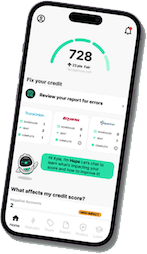
Before you hit the road, make sure your credit is road-ready, too. Dovly AI can help you clean up errors, boost your score, and stay on track—so when it’s time to buy, you’ll be in the fast lane, not stuck in the slow lane.
Frequently Asked Questions
What is the minimum credit score for a motorcycle loan?
Can I buy a motorcycle with a 600 credit score?
Is it hard to qualify for a motorcycle loan?
Can I get a motorcycle loan with no credit history?


COMPANY
SUPPORT
LEGAL
CREDIT HELP
COMPARE OPTIONS
© 2026 Dovly, Inc. All rights reserved.