806 Credit Score? Here’s What That Means for You

An 806 credit score is considered excellent and puts you in the top credit tier. It means strong credit habits and gives you access to better rates, premium cards, and higher approval odds. To keep it up, pay on time, keep balances low, and limit new credit. Read on to learn how to maintain or even improve your score—and discover tools like Dovly AI that help you monitor, fix errors, and stay on top of your credit game.
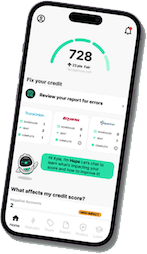
If your credit score is 806, congrats—you’re officially in the excellent credit club.
But what exactly does an 806 credit score mean? How is it calculated? And what should you do to keep it (or make it even better)? Let’s dive in.

Is 806 a Good Credit Score?
Absolutely. An 806 isn’t just “good”—it’s elite. In fact, most lenders consider anything above 800 to be excellent. Since the average credit score is about 715, landing at 806 puts you in a different league with better options.
Where 806 Falls in the Credit Score Range
There are different credit scores out there—like FICO Score and VantageScore—but both use a scale from 300 to 850. An 806 lands you in the excellent credit score category on either model.
Here’s a quick breakdown of FICO Score ranges:
- 300–579: Poor
- 580–669: Fair
- 670–739: Good
- 740–799: Very Good
- 800–850: Excellent
With a score of 806, you’re in the top credit tier. That tells lenders, banks, and credit card issuers that you’re a low-risk borrower—someone who consistently manages money well and pays on time.
What You Can Get with an 806 Score
An 806 isn’t just a vanity metric—it unlocks real perks, like better rates, higher approvals, and and access to premium financial products.
Here’s what being in the 800+ club can do for you:
- Lower interest rates on car loans, credit cards, and mortgages
- Higher credit limits, which can improve your overall credit utilization ratio
- Access to premium credit cards with cashback, points, or travel rewards
- Faster approvals and stronger negotiating power with lenders
- Lower deposits on rentals, utilities, and phone plans
- In some states, even lower insurance premiums
Your score tells lenders you’re responsible, so they’re willing to give you better deals—and more flexibility.
Why You’ve Earned an 806 (And How to Keep It There)
Your 806 score comes from five key factors showing how well you manage credit. Let’s see how you’re nailing each.
Payment History
This is the most important factor—it makes up 35% of your FICO score. Paying your bills, credit cards, and loans on time builds trust with lenders and keeps your score high.
Credit Utilization
Your utilization rate—how much of your available credit you’re using—matters a lot. Under 10% is ideal, and with an 806 score, you’re likely already there.
Length of Credit History
The longer you’ve had accounts open, the better. It shows consistency—so avoid closing old ones.
Credit Mix
Having a good mix of credit — like both revolving credit and installment loans — gives your score a small boost.

How to Maintain or Even Improve Your 806 Score
Let’s say you’re feeling ambitious and want to push your score even higher—or just make sure it doesn’t slip. Here’s how to stay in control.
Habits to Keep Your Score High
- Always pay on time, even if it’s just the minimum
- Keep credit card balances low (under 10%)
- Avoid applying for too new credit at once—it can temporarily dip your score.
- Check your credit reports at least once a year
- Consider setting up autopay to avoid late payments
Can You Get Higher Than 806?
Yes, scores go to 850—but anything over 800 is treated the same by most lenders.
Still, if you’re aiming for that perfect score, focus on:
- Lowering your utilization rate even more
- Keep accounts open and let time do its thing—your credit history will keep aging up.
- Adding a new type of credit (like a small installment loan) if your profile is too simple
What Could Hurt Your Score From Here
Even with excellent credit, there are still a few things that could bring your score down:
- Late payments, especially if reported to Equifax, Experian, or TransUnion
- High balances on your cards
- Opening too many credit card accounts in a short timeframe can signal greater risk to lenders
- Ignoring your credit reports (fraud or identity theft can strike anyone)
- Closing old accounts, which shortens your credit history
A high score is like a good reputation—earned over time, but easy to lose.

TL;DR: 806 Credit Score
An 806 credit score puts you in the excellent range on both FICO® and VantageScore® credit scoring models, well above the U.S. average of ~715. This elite tier unlocks the best interest rates, higher credit limits, faster approvals, and access to premium financial products from credit card issuers and lenders.
To maintain—or even improve—your score, pay bills on time, keep credit utilization under 10%, avoid unnecessary hard inquiries, and review your free credit reports regularly. Tools like Dovly AI can help you monitor changes, dispute errors, and protect your credit profile so it keeps working in your favor.
Frequently Asked Questions
How rare is an 806 score?
How rare is credit score over 800?
What can I get with a 806 score?
Is 700 a good credit score?


COMPANY
SUPPORT
LEGAL
CREDIT HELP
COMPARE OPTIONS
© 2026 Dovly, Inc. All rights reserved.