Understanding Your 660 Credit Score

A 660 credit score puts you at the top of the fair range—close to good credit, but not quite there yet. That means approvals are possible, but you may miss out on the best rates and terms. The good news? Small, consistent improvements can quickly push your score higher. This guide explains what a 660 score means and how to move into the good range with smart habits and support from Dovly AI.
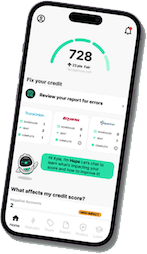
If your credit score is 660, you’re in an interesting spot—right at the top of the fair credit score range and just below the lower end of a good credit score. It’s not bad, but it’s not quite where you want to be to qualify for the best interest rates, loan terms, or credit opportunities. A 660 credit score shows lenders some risk, but with the right steps, you can turn it into a good credit score and strengthen your financial health.
In this article, we’ll explain what a 660 credit score means, why it matters, and the factors—like your credit report, FICO score, and payment habits—that affect it. Plus, you’ll get actionable tips to improve your score, build healthier credit habits, and access better loans. Tools like Dovly AI can also help guide you along the way, monitoring your score and creating a path to higher credit scores.

What Is a 660 Credit Score?
A 660 credit score sits in the middle of the credit scoring spectrum—often considered fair credit but edging toward the lower end of a good credit range. It’s higher than the scores lenders may label as “poor,” but it’s not yet in the range that qualifies for the best interest rates or loan terms. Understanding where your 660 score falls can help you see how lenders view your creditworthiness and what steps you can take to improve it.
On a national level, the average credit score in the U.S. typically falls around 680–700, depending on the credit scoring model used. That means a 660 score is slightly below average, which may negatively affect your eligibility for certain loans or credit cards. Keep in mind, though, that there are multiple credit scoring models, and different lenders may weigh factors like payment history, credit utilization, or account age differently.
Credit Score Ranges Explained
To understand your 660 score better, here’s a breakdown of typical credit score tiers, based on FICO scoring models:
- Poor: 300–579 → Often considered high risk; higher rates, limited loan options.
- Fair score: 580–669 → Your current 660 score falls here. Lenders see some risk but may approve loans with slightly higher rates.
- Good: 670–739 → Shows responsible credit use; qualifies for lower interest rates and better credit terms.
- Excellent: 740–850 → Ideal for the best loan offers, credit cards, and financial opportunities.
Your 660 credit score sits at the top of the fair credit score level, meaning you’re close to breaking into a higher tier. With consistent on-time payments and smart credit management, moving up just a few points can unlock better financial opportunities.
How Did I Get a 660 Credit Score?
A 660 credit score reflects a mix of financial behaviors and your credit history. It’s not low, but it’s not yet in the good credit score tier. Several factors influence this number: payment history, credit utilization, mix of credit, account age, hard inquiries, and recently opened accounts.
Payment History: The biggest driver of your FICO score
Paying bills on time consistently shows lenders you’re responsible and lowers your risk in their eyes. Even one late payment can cause a noticeable dip, especially if it’s recent.
- Positive payment history: paying credit cards, loans, and other accounts on time.
- Negative impact: missed or late payments, even a single one, can lower your score and raise concerns for lenders.
Making timely payments every month is the simplest way to protect and improve your score over time.
Utilization and Available Credit
Credit utilization rate measures how much of your available credit you’re using. High utilization can signal risk to lenders, even if you pay your bills on time.
- Recommended: keep your credit usage under 30% of your total available credit limit.
- Example: if your total credit limit is $5,000, try not to carry more than $1,500 in balances.
- Pay down balances or request higher credit limits to maintain a healthy ratio.
Low credit utilization rate paired with on-time payments can quickly boost your score.

Age and Mix of Credit Accounts
The average age of your credit accounts and the variety of account types also affect your score.
- Older accounts indicate stability and positively influence your credit history.
- A healthy credit mix of revolving credit (like credit cards) and installment loans (like car loans) shows lenders you can manage different types of debt responsibly.
- Opening too many new accounts at once can lower your average account age and temporarily decrease your score.
Maintaining older accounts and a balanced mix of credit helps strengthen your FICO score over time.
Hard Inquiries and New Credit Applications
Whenever you apply for new credit, a hard inquiry occurs. These inquiries signal potential risk and can temporarily lower your score.
- Examples: applying for a personal loan, credit card, or auto loan.
- Tip: space out applications to minimize their effect on your score.
While hard inquiries have a temporary impact, combining them with high utilization or late payments can keep a score in the 660 range instead of moving it upward.
How to Improve Your 660 Credit Score
If you’re at a 660 credit score, small, consistent changes can help you move into the good or excellent range. Here’s how to take control and steadily improve your score.
Pay On Time, Every Time
Payment history drives your FICO score. Missing a payment—even once—can keep your score in the fair range. Set up automatic payments or reminders for bills, loans, and credit cards to build a strong foundation for long-term credit health.
Reduce Credit Utilization
High balances relative to your credit limits signal risk. Keep utilization under 30% of your total available credit. For example, with a $5,000 limit, aim for no more than $1,500 in balances. Paying down balances or increasing limits can boost your FICO score.
Avoid Opening Too Many New Accounts
Each new credit application triggers a hard inquiry and can temporarily lower your score. Opening multiple accounts quickly also reduces your average account age. Space out applications and only apply when it benefits your credit strategy.
Diversify Your Credit Mix
A balanced mix of revolving credit (credit cards) and installment loans (personal or auto loans) shows lenders responsible credit management. Credit builder loans or small secured loans can help if your credit history is thin.
Monitor Your Credit Reports Regularly
Errors or outdated info can hold your score back. Check credit reports from Experian, Equifax, and TransUnion annually. Dispute inaccuracies promptly. Credit monitoring tools like Dovly AI make it easy to track your score, monitor changes, and spot potential issues early.
Common Misconceptions About a 660 Credit Score
- “660 is bad.” While it’s fair credit, a 660 score isn’t a financial dead end. Many lenders approve loans and credit card accounts for this range—just not with the best interest rates yet.
- “I can’t qualify for loans.” You can still access loans, mortgages, and credit cards, though terms may be slightly higher. Checking your credit report helps confirm what lenders see.
- Soft inquiries hurt your score. Soft inquiries, like pre-approvals or employer checks, do not affect your FICO score, but reviewing your credit report ensures there are no errors.
Understanding these realities helps you handle credit strategically and maintain a positive mindset while improving your score.

TL;DR: Your Path from 660 to Excellent Credit
A 660 credit score is not a limitation—it’s an opportunity. By focusing on consistent good credit habits, building credit responsibly, and monitoring your credit health, you can steadily move from fair credit to good or excellent credit. Even small, deliberate improvements—like paying bills on time, lowering balances, or spacing new accounts—add up over time.
Remember, building and maintaining credit is a marathon, not a sprint. Tools like Dovly AI can help you stay on track, set a credit score goal, and see progress as you work toward better financial health. With patience, strategy, and consistency, moving your score above 700 and beyond is entirely achievable.
Frequently Asked Questions
1. How to increase credit score from 660 to 700?
2. How long does it take to go from 660 to 700 credit score?
3. How big of a loan can you get with a 660 credit score?
4. Is 700 a good credit score?


COMPANY
SUPPORT
LEGAL
CREDIT HELP
COMPARE OPTIONS
© 2026 Dovly, Inc. All rights reserved.