What Is a 599 Credit Score and Why Does It Matter?

A 599 credit score may feel limiting, but it’s not the end of the road. In this guide, you’ll learn what a 599 score means, the factors that cause it, and practical steps—including payment habits, credit utilization tips, and credit-building tools—to steadily improve your financial future.
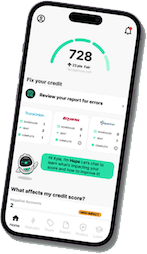
Your credit score plays a big role in your financial life, affecting everything from loan approvals to everyday expenses. In this guide, you’ll discover what a 599 score means and how to take control to improve your financial future.

Is A 599 Credit Score Bad?
A score of 599 falls into the “fair credit” or “poor” range depending on the scoring model. Both FICO score and VantageScore use it as a signal of how likely you are to repay borrowed money.
At this level, lenders may see you as higher risk. That usually means:
- Higher interest rates
- Lower credit limits
- Fewer loan or credit card approvals
A 599 is below the average credit score in the U.S., which makes it harder to qualify for top lending products. But it doesn’t mean you’re stuck. With smart habits, you can work toward a fair credit score or even a good credit score that opens doors to stronger financial opportunities.
Main Factors Causing a 599 Credit Score
Several key things affect why your score might be at 599. Understanding these can help you focus on what to fix first.
Payment History
Late or missed payments have the biggest impact. On-time payments, even for small bills, and positive payment history help rebuild trust with lenders and improve your FICO credit scores over time.

Credit Utilization Rate
Using too much credit can hurt your score. Keep balances under 30% of your limit—paying down cards is one of the quickest ways to boost utilization.
Credit Length and New Credit
A short credit history or too many recent applications can work against you. Each new inquiry is added to your credit file and can temporarily lower your score.
Errors on Credit Reports
Mistakes or fraudulent activity on your credit reports can hurt your score unfairly. Check with all three major credit bureaus and dispute errors as soon as you find them.
How to Improve a 599 Credit Score: Practical Tips
Improvement won’t happen overnight, but steady habits can raise your score and give you access to better financial opportunities.
1. Pay Bills on Time
Set up reminders or autopay to avoid missed due dates. If you’re behind, catch up as quickly as possible—payment history is the #1 scoring factor.
2. Lower Credit Utilization
Work on paying down credit card balances and keeping your credit card debt on check. Even small reductions help. Avoid maxing out cards or opening too many new accounts at once.
3. Use Credit Builder Products
Secured credit cards and credit builder loans can boost your score. A secured card works with a deposit, while builder loans help you show steady, on-time payments.
4. Monitor Your Credit
Stay proactive by checking your reports through free services. Set up alerts to track changes and dispute any mistakes that could be holding you back.

TLDR: 599 Is Just a Starting Point
A 599 credit score doesn’t have to hold you back. With on-time payments, lower balances, and tools like Dovly AI, you can make steady progress. Consistency matters most—payment history and utilization carry the most weight. Even small habits today can set you up for long-term financial freedom and a stronger credit future.

Frequently Asked Questions
Can I get a personal loan or car loan with a 599?
How long does it take to improve this score?
Will checking my own credit lower it?
What’s the difference between a hard inquiry and a soft inquiry?


COMPANY
SUPPORT
LEGAL
CREDIT HELP
COMPARE OPTIONS
© 2026 Dovly, Inc. All rights reserved.