583 Credit Score: What It Means and How to Improve It

A 583 credit score is considered poor, but it doesn’t mean you’re stuck. This guide explains what a 583 score really means, how lenders view it, and how it can impact loans, housing, and everyday finances. You’ll also learn practical, step-by-step ways to rebuild your credit—plus how tools like Dovly AI can help you monitor your report, fix errors, and make steady progress toward a stronger credit score.
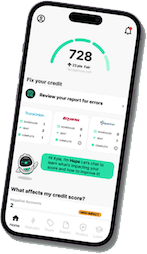
A 583 credit score can feel discouraging, but it’s not the end of your financial journey. Understanding what this score means, how it affects borrowing, and actionable steps to improve it can help you regain control. Tools like Dovly AI simplify tracking your credit history, monitoring your report, and guiding you toward a high credit score.

Is a 583 Credit Score Bad?
A 583 credit score is considered poor or subprime in most credit scoring models, including FICO score calculations. Having a low credit score can limit your borrowing options, reduce access to premium financial products, and make lenders view you as a higher-risk borrower. Even checking accounts or debit card approvals may be affected if the institution reviews your credit file.
How Lenders See a 583 Score
Lenders such as banks, credit unions, and online lenders often treat a 583 score as risky. Credit card issuers may offer only secured cards or accounts with lower credit limits. For personal loans, auto loans, or mortgages, you may face higher interest rates, origination fees, and stricter loan terms. Your total available credit may also be limited.
Credit Score Ranges in 2025
- Very poor: <580
- Poor: 580–619
- Fair / Average: 620–679
- Good: 680–739
- Excellent: 740+
Compared to different score ranges, a 583 falls on the low end, emphasizing the need for improved payment history and responsible credit usage.
Why Your Credit Score is 583
Common Reasons for a Low Score
A 583 credit score typically results from a combination of factors that negatively impact your credit profile:
- Late or missed payments on crediton-time payments accounts, personal loans, or installment loans. Even a single late payment can significantly lower your FICO score.
- High credit utilization ratio and maxed-out credit cards. Using a large portion of your total available credit signals risk to lenders.
- Delinquent accounts or collections, which remain on your report for years and harm your credit record.
- Limited credit history or young credit file, meaning there isn’t enough data for lenders to see consistent, responsible credit behavior.
- Recent hard inquiries or opening multiple new accounts, which temporarily reduce your score.
These habits directly affect your credit usage, payment history, and overall credit activity, which are major components of your credit profile.
Other Possible Factors
Other elements can also contribute to a low score:
- Medical bills or unpaid debt reported to major credit bureaus, which can appear as delinquent accounts.
- Low total credit limit across your credit accounts, reducing available credit and impacting your credit utilization rate.
- Poor credit mix, such as only having revolving credit without installment loans. A balanced mix of revolving and installment accounts strengthens your credit profile over time.
Focusing on maintaining a healthy credit mix, paying down credit card balances, and consistently practicing good credit habits are key strategies to improve a 583 score and gradually move toward a good or high credit score.
How a 583 Credit Score Can Affect Your Life
A 583 credit score can influence many aspects of your financial life, from borrowing to housing and insurance. Understanding these effects can help you prioritize improvements and make smarter financial decisions.
Loan Approvals and Interest Rates
With a 583 score, borrowing becomes more expensive and approvals less certain. Car loans, personal loans, and mortgages may carry higher interest rates and larger origination fees. Lenders may limit your loan amount, and you could be restricted to subprime loans instead of the best personal loans or financial products designed for consumers with good credit.
Renting and Employment
Landlords frequently review credit reports to gauge financial responsibility, and some employers do the same during background checks. A low score may make renting an apartment more difficult, require higher security deposits, or influence employment opportunities in roles that involve financial oversight.
Hidden Costs of Poor Credit
Low scores often come with additional financial burdens. You may need to pay security deposits for utilities, be limited to secured cards with deposits, or face higher insurance premiums. Even routine borrowing, like opening a new credit card or obtaining a personal loan, can carry higher fees and interest rates compared to someone with a good or high credit score.

How to Improve a 583 Credit Score
Improving a 583 credit score requires consistent effort and smart strategies across your accounts. By focusing on making on-time payments, credit utilization, and responsible account management, you can gradually rebuild your credit profile and move toward a good credit score.
Build Good Credit Habits
Establishing consistent on-time payments is essential. Use automatic payments for all monthly bills, including credit cards and personal loans, and track your FICO score to measure progress. Healthy good credit habits will strengthen your credit record over time.
Reduce Credit Card Balances
Lowering your credit utilization rate below 30% is one of the fastest ways to see improvement. Avoid maxing out credit card accounts, and prioritize paying down outstanding debt strategically. This directly affects your available credit and credit usage ratio.
Consider a Secured Credit Card or Credit Builder Loan
A secured card requires a security deposit and reports to all three major credit bureaus, helping you build credit responsibly. Similarly, a credit builder loan adds fixed-term loans to your credit record, diversifying your credit mix and improving your credit profile.
Become an Authorized User
Being added to a family member’s existing credit card can boost your average age of accounts, strengthen credit standing, and increase total limit of available credit without taking on new debt.
Dispute Errors on Your Credit Report
Regularly check your credit report with Dovly AI or directly through the major credit bureaus. Dispute errors, outdated info, or fraudulent activity to repair your credit profile efficiently.
Avoid Hard Inquiries and New Debt
Limit applications for new credit to prevent unnecessary hard inquiries. Applying only when necessary keeps loan terms favorable and avoids increasing credit card debt or monthly payments.
Seek Help if Needed
If overwhelmed, consider a trustworthy credit repair company. Platforms like Dovly AI combine automated dispute support with guidance for improving credit accounts safely, eliminating the need for multiple apps or services.
How Long It Might Take to Improve a 583 Credit Score
Improving a 583 credit score takes consistency, but progress can happen sooner than many people expect. Some changes create fast momentum, while others strengthen your credit over time.
Quick Wins
Small but consistent steps can produce noticeable improvements in as little as 3–6 months. Improving your credit utilization ratio by increasing available credit or correcting reporting errors can immediately signal responsible credit use to credit bureaus. Making on-time payments across active accounts, fixed-term loans, and personal loans can quickly strengthen your payment track record, which accounts for the largest portion of your FICO score. Even checking your report regularly through platforms like Dovly AI to correct minor errors or update account information can result in an immediate score boost. Other quick strategies include asking credit card issuers for small increases in your total limit, which lowers your overall credit usage, and paying off delinquent accounts or bad credit marks that may still be impacting your credit record.
Long-Term Strategies
Building a strong credit profile takes 6–12 months or more. Focus on maintaining a long credit history by keeping older credit card accounts open and active. Diversify your credit mix with both revolving credit and installment loans like auto loans or builder loans to show lenders you can manage different types of accounts responsibly.
Avoid missed or late payments, limit new credit applications, and monitor your report through major credit bureaus or tools like Dovly AI to catch errors early. These habits support long-term improvement, gradually raising your score toward good credit, unlocking higher credit limits, better loan terms, and lower interest rates.

TL;DR: Turning a 583 Into a Strong Credit Score
A 583 credit score is absolutely fixable with consistent, focused action. Start with quick wins like paying down credit cards, avoiding late payments, and correcting errors on your credit report, then commit to long-term habits such as maintaining low credit utilization, keeping accounts in good standing, and building a longer credit history. Using tools like Dovly AI to monitor your credit, dispute inaccuracies, and track progress can help you stay organized and move steadily toward a good credit score and better borrowing options.
Frequently Asked Questions
Can I get a personal loan with a 583 credit score?
Will a secured credit card improve my credit score?
How long do late payments affect my credit score?
Is 583 below average?


COMPANY
SUPPORT
LEGAL
CREDIT HELP
COMPARE OPTIONS
© 2026 Dovly, Inc. All rights reserved.