567 Credit Score: What It Means & How to Improve it Fast

A 567 credit score falls into the poor range, which can make borrowing more expensive, renting harder, and even raise your insurance rates. But it’s not a dead end—by understanding what’s holding your score back and taking strategic steps like paying bills on time, lowering credit card balances, and using tools like secured cards or credit builder loans, you can start improving in just a few months. This guide explains what a 567 means for your financial life, the challenges you might face, and the fastest ways to level up your credit.
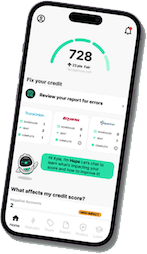
Got a 567 and wondering what it means for your money moves? This guide breaks down where you stand, how it impacts your daily life, and the exact steps you can take to level up your credit score—fast.

What Does a 567 Mean?
A 567 score lands in the poor credit range on both FICO® score (300–850) and VantageScore® credit scoring models. That means lenders see you as a higher risk, which can make it harder to get approved for affordable financial products like credit cards, personal loans, or mortgages—and if you are approved, expect higher interest rates, security deposits, or less favorable terms.
For context, the average credit score in the U.S. is around 715, so a 567 puts you well below the national norm. Scores in this range are often the result of things like late payments, a short credit history, high credit utilization, or negative marks like collections.
How a 567 Credit Score Affects Your Financial Life
Having a 567 credit score doesn’t mean you’re out of options, but it does mean you’ll need to be more strategic about where and how you apply for credit.
Credit Card Approval Odds
Most credit card issuers will only approval secured credit cards that require a security deposit. Some unsecured credit cards available at this score may come with a high annual fee, setup charges, or hidden costs.
A quick workaround? Become an authorized user on a trusted family member’s account to tap into their good credit history.
Loan & Mortgage Eligibility
You may not qualify for the best personal loans on the market until your score improves, but some lenders cater to credit scores in the 500s.
Expect higher interest rates and stricter terms for personal loans, auto loans, and mortgages. Many lenders may require a co-signer or larger down payment, and mortgage approval odds are low without improving your score first.
Renting an Apartment
Many landlords run credit checks as part of the application process, and a poor score may signal a higher risk of missed payments or financial instability. As a result, you might be asked to provide a larger security deposit, pay several months of rent upfront, or find a co-signer.
In some cases, your application may be denied altogether, even if you have sufficient income. To improve your chances, consider applying with a roommate who has stronger credit, or look for landlords who consider additional factors like rental history or employment status.
Insurance & Utility Deposits
Insurance companies in many states use a credit-based insurance score to help determine your premium. With a score in the 500s, you could face noticeably higher rates on auto, renters, or homeowners insurance. Similarly, utility providers—including gas, electric, internet, and water companies—often require a credit check before opening a new account.
If your credit score is low, you may need to pay a hefty deposit upfront or use a prepaid service. While these extra costs add up quickly, improving your credit can reduce or eliminate these financial barriers over time.
Why You Might Be at a 567 Credit Score
If your score is sitting at 567, it’s likely tied to a few key factors in your credit history. Understanding what’s dragging it down is the first step toward turning things around.
Negative Payment History
Late payments and missed bills hit your FICO credit score the hardest. Building a positive payment history is key to recovering.
High Credit Utilization
Using too much of your available credit drags your credit score down. Keep utilization under 30%, and if you want faster progress, aim for 10% or less.
Short or Limited Credit History
A thin credit file makes it harder for lenders to trust your creditworthiness. The solution: start building credit over time with responsible use.
Negative Marks on Your Credit Report
Things like collections, charge-offs, or bankruptcies can linger for years and may be reported differently across the credit bureaus, which is why reviewing each one is so important.

How to Improve a 567 Credit Score (and How Long It Takes)
A 567 isn’t the end of the road—it’s just your starting point. With a few smart moves and consistency, you can turn a low FICO score into a lender-approved one faster than you think.
Step 1 — Pull Your Credit Reports
Start by requesting your free credit reports from Equifax, Experian, and TransUnion. Carefully review each report for errors or fraudulent accounts, and dispute anything that’s inaccurate or outdated.
Step 2 — Pay On Time, Every Time
Set up autopay or calendar reminders to ensure you never miss a bill. Maintaining a positive payment history is the single most effective way to boost your credit score over time.
Step 3 — Lower Your Credit Utilization
Work on paying down your credit card balances before your statement closing date to reduce your credit utilization ratio. If possible, request a credit limit increase—but avoid the temptation to spend more.
Step 4 — Start with a Secured Credit Card
Apply for a secured credit card, which requires a refundable security deposit. These cards report your activity to the credit bureaus just like regular cards, so use them responsibly by keeping spending low and paying your balance in full each month.
Step 5 — Become an Authorized User
Ask a trusted family member or close friend to add you as an authorized user on their credit card account. This can help you benefit from their positive credit history, which may improve your score.
Step 6 — Consider a Credit Builder Loan
Look into credit builder loans available through credit unions and alternative lenders. These loans are designed to help you build credit and report each on-time payment to all three major credit bureaus, which can positively impact your FICO score over time.
Step 7 — Limit New Credit Applications
Try to avoid applying for new credit unless it’s absolutely necessary. Each hard inquiry from a lender can slightly lower your credit score, so spacing out applications can help protect your progress.
How Long It Takes to Go from 567 to a Good Credit Score
Improving a 567 takes time, but consistent habits can deliver results sooner than you might expect. As credit bureaus update their records, you may notice changes to your score within a few months if you’re consistently making positive moves.
Many people start to see small increases within three to six months by making on-time payments, lowering credit utilization, and avoiding new hard inquiries. Bigger jumps—enough to reach a good FICO score of 670 or higher (or 661+ on VantageScore)—can take 12 to 18 months, depending on your credit history and how aggressively you work on rebuilding.
The Bottom Line
A 567 credit score isn’t the end of the road—it’s your starting line. By making on-time payments, keeping credit utilization low, and using tools like secured cards or credit builder loans, you can move closer to a good credit score faster than you might expect.
Dovly AI can help you track your progress, dispute errors, and take the right steps to boost your credit score automatically. Ready to see your credit score climb? Start by checking your credit report today and see how Dovly AI can help you get there.

TL;DR: How a 567 Credit Score Affects Your Financial Options
A 567 credit score can make it harder and more expensive to access credit, loans, housing, insurance, and utilities. Common causes include late payments, high credit utilization, and a limited credit history. The good news? With consistent habits like paying on time, lowering your balances, and using tools like secured cards or credit builder loans, you can start seeing improvements in just a few months and reach a good credit score within a year or so.

Frequently Asked Questions
Is 567 a bad credit score?
Can I get a car loan with a 567 score?
Can I get a personal loan with a 567 score?
Does a 567 mean I can’t get approved for anything?


COMPANY
SUPPORT
LEGAL
CREDIT HELP
COMPARE OPTIONS
© 2026 Dovly, Inc. All rights reserved.