559 Credit Score: What It Means, Why It Happens, and How to Improve

A 559 credit score falls into the “poor” range, which can limit your access to affordable loans, rental opportunities, and even some jobs. But it’s far from the end of your financial story. This guide explains what a 559 score means, why you might have landed here, and the most effective steps to raise it—like disputing errors, paying down balances, using secured cards, and becoming an authorized user. With consistent action, you can start seeing improvements in as little as 30–60 days and work toward “good” credit in under a year.
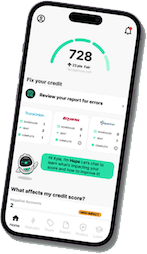
Just checked your credit and saw a 559? Don’t panic. Let’s break down what this score actually means, how you got here, and—more importantly—how to turn it around and regain access to better financial options like mortgages, or new credit accounts.

Is a 559 Credit Score Good or Bad?
A credit score of 559 score falls into the “poor” range for both VantageScore and FICO credit scoring models. But it doesn’t mean you’re stuck—millions of consumers rebuild from this point and gain access to better opportunities over time.
Where Does a 559 Stand?
These scoring systems range from 300 to 850, and a 559 signals to lenders that you’ve had credit challenges.
Here’s a quick breakdown of the FICO scores :
- 300–579: Poor
- 580–669: Fair
- 670–739: Good
- 740–799: Very Good
- 800–850: Excellent
A 559 is on the lower end of the FICO score range, but with the right steps, you can improve your access to credit by moving into the “fair” range.
How Did I End Up With a 559 Score?
A credit score of 559 reflects factors like payment history, available credit, and account mix. Late payments or high balances can drag down your score and hurt your chances of getting approved. Errors reported to the credit bureaus can also be a determining factor.
What You Can and Can’t Do With a 559 Credit Score
A 559 may limit your access to some financial products, but it doesn’t mean you’re locked out entirely. Here’s what you might qualify for, and where you may face restrictions:
You may still be able to access:
- A new credit card—like a secured credit card
- Credit-builder cards from fintechs or credit unions
- Auto or installment loans, often with higher rates or a cosigner
- A high-interest personal loan to cover emergency bills or consolidate money owed
But expect challenges when it comes to:
- Unsecured credit cards or low-interest loans
- Renting an apartment without a hefty deposit
- Job applications—especially in industries like finance or government

How to Improve a 559 Credit Score (Step-by-Step)
Ready to turn things around? These steps can help you boost a 559 the smart way.
1. Check Your Report for Errors
Go to AnnualCreditReport.com and pull your reports from all 3 credit bureaus (Experian, Equifax, and TransUnion). Look for mistakes, duplicate accounts, or old debts.
2. Start Making Timely Regular Payments
Payment history makes up 35% of your FICO score. Set reminders or use autopay.
3. Pay Down Credit Card Debt
Focus on paying down high balances across your credit card accounts to lower your utilization ratio. Call credit card companies to see if they’ll offer a lower interest rate.
4. Get a Secured Credit Card or Credit-Builder Loan
These tools are designed to help you build credit safely. Use your card for small purchases and pay it off in full each month.
5. Become an Authorized User
Ask a trusted friend or family member to add you to their card. Their positive history could help boost your score.
6. Limit New Applications (Hard Inquiries)
Too many applications = red flag. Only apply when necessary, and understand the difference between soft and hard inquiries.
7. Diversify Your Credit Mix
As your score improves, consider adding variety to your credit file—like credit cards or auto loans.
Timeline & Tools
Small score boosts can happen in 30–60 days, but getting a ‘good credit score’ may take 6–12 months depending on your credit history and negative marks. Helpful tools:
- Credit monitoring from major credit bureaus to track updates
- AI tools like Dovly AI can dispute credit report errors for you
- Credit unions that offer easier access to loans or credit cards
- Credit-building apps can help turn small purchases into positive cash flow habits that support your credit growth.

TL;DR: 559 Credit Score – What You Need to Know
Just by reading this, you’re ahead of the game—most people don’t even know their credit score, let alone how to improve it. Now that you know where you stand, you’ve got the power to change it.
A 559 score isn’t the end of the road. With the right habits (and a little help from tools like Dovly AI, which automates credit dispute fixes), you can work your way to a good or even excellent score.
Frequently Asked Questions
Is a 559 bad?
Can I get a credit card with a 559 score?
How fast can I raise my 559 score?
What can I get with a 559 credit score?


COMPANY
SUPPORT
LEGAL
CREDIT HELP
COMPARE OPTIONS
© 2026 Dovly, Inc. All rights reserved.