542 Credit Score: What It Means and How to Improve It

A 542 credit score sits in the poor range, which can make borrowing more expensive and limit your access to loans, credit cards, and housing. While this score can feel like a setback, it’s also a starting point. Understanding what a 542 means, what factors are pulling it down, and the steps you can take to improve it can help you regain control of your financial future. This guide walks you through why your score is 542, how it affects your everyday life, and how to begin rebuilding your credit with Dovly AI.
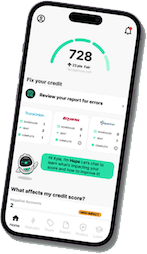
A 542 can feel like a roadblock, but it doesn’t have to define your financial future. Knowing what this score means, why it happens, and how to improve it is the first step toward taking control of your money. This guide breaks down everything you need to know about a 542 credit score and how to start building credit today.

Understanding a 542 Credit Score
A 542 score is considered poor, sitting near the lower end of the FICO credit score range. According to credit scoring models, this means lenders may view you as a higher-risk borrower, which can make it harder to get approved for loans, credit cards, or mortgages and may result in higher borrowing costs. Around 18% of borrowers have a score in this range, so while it’s below the average credit score, there’s plenty of opportunity to improve with consistent credit habits.
Is 542 a Bad Credit Score?
A 542 puts you in the poor to fair range, which means you have poor credit that can make borrowing and accessing financial products more challenging. You may face higher steeper loan or credit charges on personal loans, credit cards, and mortgages, and getting approved for new credit can be harder. Lenders or landlords might require extra security deposits, and access to premium financial products like rewards credit cards or low-cost loans may be limited.
Why Your Credit Score is 542
Your 542 reflects certain patterns in how you manage money. Several factors can contribute to this score, and understanding them can help you take control.
Payment History
Late payments, missed bills, or accumulated fees have a big impact. Payment history is the largest portion of your credit score, so even a short streak of on-time payments won’t erase past issues. Automatic payments or reminders can help.
Credit Card Balances & Debt
High balances on credit card accounts relative to your credit limit hurt your score. Credit utilization signals how reliant you are on credit, so paying down balances and tracking your monthly budget can improve your score.
Limited Credit History or Credit Mix
Few credit accounts or multiple new inquiries can make it harder for lenders to evaluate you. A thin credit file or lack of credit mix, like combining installment accounts and credit cards, can weigh on your score. Keeping older accounts active and managing multiple credit accounts responsibly helps.
Other Factors
Bankruptcies, collections, payday loans, high-interest financing, or fees from card issuers can lower your score. Hard inquiries from many lenders in a short time can also hurt. Even small fees or repeated borrowing for extra money can add up.

How a 542 Credit Score Affects Your Financial Life
A 542 doesn’t just live on your report—it affects how lenders, landlords, and service providers view you.
- Expect higher rates and fees on personal loans, credit cards, and other financial products.
- Getting approved for mortgages, new credit, or premium accounts can be harder.
- Landlords or banks may require extra deposits for rentals or checking accounts.
- Credit card companies may limit access to perks or higher-tier cards.
Understanding these consequences helps you plan smarter and take steps to improve your score with the credit bureaus.
Steps to Improve a 542 Score
Improving a 542 score takes consistency and smart financial habits. Here are key steps to help you move toward a fair or even a good credit score:
Make Timely Payments
Set up automatic payments or reminders to stay on top of all of your bills. Making timely payments every month is one of the strongest signals of reliability to lenders and should be part of your monthly budget plan.
Reduce Credit Card Debt & Maintain Low Balances
Work on paying down your credit card debt and keep balances under 30% of your credit limit. Staying below this threshold across all accounts shows you can manage debt responsibly and helps improve your utilization ratio.
Use Secured Cards or Credit Builder Loan
If you have trouble qualifying for traditional credit, consider a secured credit card or credit builder account. These products often require a small security deposit, and some may charge an annual fee, but using them responsibly and maintaining good relationships with your credit card issuer builds positive payment history over time.
Avoid Multiple Hard Inquiries at Once
Apply selectively for new credit. Too many hard inquiries or credit checks in a short period can temporarily lower your score and make lenders cautious.
Monitor Your Credit Reports Regularly
Use tools from credit bureaus or apps to check your own credit score and credit report often. Staying informed helps you catch errors or signs of fraud early.
Consider Small Loans or Credit Union Products
Taking out a small personal loan from a credit union and making on-time payments can diversify your types of credit and demonstrate responsible repayment terms.
How Long It Takes to Improve a 542 Credit Score
Raising a 542 score takes time and consistency, but progress can happen sooner than you think. With steady effort, some borrowers start seeing results in just a short period of a few months, while reaching a fair or good range credit score may take a year or more.
The biggest factor is your ability to maintain positive payment history over time. Making timely payments, lowering credit card balances, and gradually adding a healthy mix of credit accounts can all help your score climb faster. The key is consistency because small, steady actions build lasting results.

TL;DR: Turning a 542 Score Into an Opportunity
A 542 may not qualify as a good score, but it is far from the end of your financial story. Think of it as a chance to reset, rebuild, and take control of your money. Small, consistent steps like making timely payments, lowering debt, and using secured credit cards or credit builders can help you begin to build your credit history and strengthen your financial foundation.
Using tools like Dovly AI can make the process easier by helping you track your reports, monitor changes, and stay focused on your goals. With a clear plan, smart habits, and consistent effort, your score can move closer to good credit and open the door to better opportunities, lower interest rates, and more confidence in your financial future.

Frequently Asked Questions
What can you do with a 542 credit score?
How can I raise my credit score 50 points fast?
How to fix a 542 credit score?
How good is a 542 credit score?


COMPANY
SUPPORT
LEGAL
CREDIT HELP
COMPARE OPTIONS
© 2026 Dovly, Inc. All rights reserved.