How to Increase Credit Score with Student Loans

Student loans can feel like a financial burden, but when managed strategically, they can actually help you build credit faster. This guide explains how to use your federal and private loans to strengthen your credit history, improve your score, and unlock better financial opportunities—step by step.
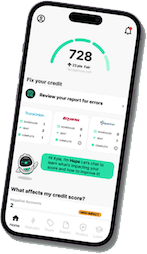
If you’ve ever felt like your student loans are holding you back financially, you’re not alone. But here’s a surprising truth: when managed the right way, student loan payments can actually help you build your credit—and even raise your credit score faster than you might think.
Whether you’re juggling federal loans, dealing with private student loans, or just starting repayment, every decision you make can either strengthen or weaken your credit score. The good news? You’re in control—and this guide is here to help.
We’re breaking down exactly how to increase your credit score with student loans—step-by-step, without the jargon. If you want to turn debt into opportunity and set yourself up for better rates, easier approvals, and long-term financial wins, let’s dive in.

Steps to Increase Your Credit Score
Let’s explore how borrowers with student loans can use their debt to their advantage.
1. Make Payments On Time Every Month
Your payment history is the most important factor in your credit score, accounting for 35% of your FICO credit score. That means every time you make payments on your student loan debt, you’re building a positive payment history.
Just one missed payment can impact your credit score and affect your credit history for up to seven years. Setting up automatic payments is a great way to stay consistent and may even qualify you for an interest discount from your loan provider.
2. Start Paying During Deferment (If You Can)
Most federal student loans offer deferment where payments aren’t required, but interest may still build. If you can afford it, making student loan payments during this time can lower your balance and begin building a stronger credit report earlier.
3. Avoid Missed Payments and Defaults
One missed payment or falling into default can drastically hurt your credit score. Defaults can remain on your credit up to seven years, especially on federal student loans.
If you’re having trouble paying, explore repayment plans, federal benefits like forbearance, or temporary relief options through your loan provider. These steps can prevent your credit student loans from causing lasting damage to your credit report.
If you’re facing a hardship, don’t wait until you’ve missed a payment. Contact your loan provider right away to ask about forbearance, deferment, or enrolling in an income-driven repayment plan based on your income. These programs adjust your monthly payment amount to a manageable level and prevent missed payments from being reported to the credit bureaus.
4. Use Student Loans to Improve Credit Mix
Your credit mix—how many different types of credit accounts you have—makes up 10% of your credit score. Since student loans are considered an installment, they add variety to your credit history, especially if you also use revolving credit like credit cards.
This shows lenders that you can manage multiple types of debt payments, which helps build your credit over time.
Most borrowers don’t realize that student loans help diversify your credit accounts, especially if you only have one revolving credit line like a credit card. Your credit mix—the blend of installments and revolving accounts—is a key piece of your credit.
This matters even more for borrowers with thin files. If your student loans are your only open accounts, making timely student loan payments is your best chance to build and achieve a good credit score over time.
5. Don’t Rush to Close Old Accounts
The length of your credit history affects your credit score. Closing older student loan accounts—especially those in good standing—can reduce your average age, which may lower your credit score.
Even if your student loan repayment is complete, leave the account on your credit report as long as possible to preserve that longer credit history.
6. Avoid Opening Too Many New Credit Accounts
Each credit inquiry—especially a hard pull from applying for new credit accounts or a personal loan—can cause a small dip in your credit score. If you’re in student loan repayment, space out new applications to avoid hurting your credit score unnecessarily.
Lenders also consider your gross monthly income when reviewing your ability to handle additional monthly payments, so be mindful of overextending yourself.

7. Be Cautious When Consolidating or Refinancing
Combining federal student loans into a single loan can make repayment easier, but it may reset your credit history and affect your average age.
Refinancing privately might lower your monthly payment amount and interest rate, but you’ll lose federal benefits like repayment and forgiveness options.
8. Monitor Your Report for Mistakes
Mistakes happen—and they can hurt your credit. Your report might list the wrong balance, duplicate loans, or even falsely reported late payments.
Check your credit with all three major credit bureaus: Equifax, Experian, and TransUnion. Look for reporting errors from both federal and private student loans, and dispute any inaccuracies.
9. Don’t Ignore Private Student Loans
While most attention goes to federal student loans, your private student loan accounts also affect your credit. Make sure you’re paying those on time, too. Private student loans may report missed payments differently, and may not offer the same repayment options or hardship support as federal options.
10. Understand Credit Utilization Doesn’t Apply Here—but Still Matters
Student loans don’t count toward your credit utilization ratio (the percent of available balance you’re using), but if you’re also using credit cards, keeping those balances low helps your credit score.
Managing both responsibly—installment debt like student loans, and revolving debt like cards—paints a strong picture of your overall creditworthiness.
Handled the right way, student loans can actually help you build your credit over time. Each payment adds to your credit history, strengthens your credit mix, and shows lenders a pattern of positive payment history.
Successfully managing a large, long-term loan like student debt also demonstrates financial responsibility—something lenders look for when approving mortgages, auto loans, or new credit accounts. Rather than focusing only on the burden, think of your student loan debt as a stepping stone. Especially if you’re early in your financial life, this is one of the best opportunities you have to establish lasting credit health.

TL;DR: Boosting Credit with Student Loans
Your student loan debt doesn’t have to drag down your finances—it can actually be the launchpad for a stronger, healthier credit. When you make payments on time, enroll in smart repayment plans, and monitor your report, your loans become more than just debt—they become a tool to help you build your credit and open doors.
Whether you’re early in repayment or years into managing school costs, it’s never too late to take control. By understanding how student loans affect your credit, you can make confident choices that lead to a good credit score, lower interest rates, and better financial options.
Want to Improve Faster? Let Dovly AI help. Our smart credit engine monitors your credit, automatically disputes inaccuracies, and shows you personalized ways to raise your credit score. Whether you’re still in school or deep into student loan repayment, your credit future is in your hands. Join Dovly AI for free today—and start building the credit you deserve.

Frequently Asked Questions
Can student loans increase credit score?
How to rebuild credit with student loans?
What is the 7-year rule for student loans?
Can you have a 700 credit score with student loans?


COMPANY
CREDIT HELP
LOCAL PAGES
COMPARE OPTIONS
© 2026 Dovly, Inc. All rights reserved.