How Do I Fix My Credit After Voluntary Repossession?

A car repossession can feel like a major setback, but it doesn’t have to define your financial future. This guide breaks down what happens to your credit after a repossession, how long it stays on your reports, and the exact steps to rebuild—clearly, confidently, and without confusion. You’ll learn how to read your credit reports, handle deficiency balances, fix reporting errors, and start rebuilding your credit history. And if you want extra support along the way, Dovly AI can help automate disputes, track your progress, and streamline your recovery. This is your step-by-step path to getting back on track and moving forward with confidence.
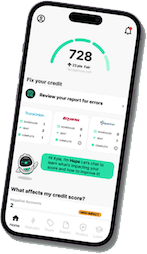
Facing a car repossession can feel overwhelming, especially when you see the impact on your credit report and credit score. But here’s the good news: even after a repossession, you can rebuild your credit history and get back on track.
In this guide, we’ll break down exactly how to fix your credit after a repossession, what happens to your credit reports, how long a repossession stays, and the steps you can take to recover—quickly, confidently, and without confusion.
No complicated financial jargon. No judgment. Just a clear, step-by-step path to repairing your credit and moving forward with peace of mind.

Steps to Bounce Back
Step 1 – Get a Clear Picture of Your Situation
Pull Your Credit Reports
Start by requesting your credit reports from each bureau. You can do this for free at AnnualCreditReport.com. This helps you see how the repossession appears and what else might be affecting your credit scores.
Step 2 – Handle the Deficiency and Remaining Balances
Understand the Loan Balance and Repossession Fees
After a car repossession, the lender often sells your vehicle. If the lender sells it for less than what you owed (including repossession fees and additional repossession costs), you’re still responsible for the remaining amount—called a deficiency balance.
Negotiate a Payment Plan
Contact your auto lender or debt collector to set up a payment plan for the deficiency balance. Spreading it out into manageable monthly payments can prevent the debt from going into collections and help limit further credit damage.
Keep Making On-Time Payments Elsewhere
As you handle the repossession, don’t fall behind on other monthly payments. Making timely payments on your remaining accounts helps your payment history recover faster.
Step 3 – Clean Up Your Credit Reports
Dispute Errors with the Credit Bureaus
Check your credit reports for any errors—wrong dates, wrong balances, or inaccurate lender information. If you find something incorrect, file a dispute with the credit bureau to get it corrected.
Confirm the Original Delinquency Date
The statutory reporting timeline starts with your first missed or late payment, not when the car was actually repossessed. If the original delinquency date is wrong, you can request that the credit bureaus correct it.
Monitor Your Progress
Keep an eye on your credit reports and scores over time. Monitoring tools or apps can help you track improvements and catch new issues early.
Step 4 – Rebuild Your Credit After Repossession
Make New Credit Work for You
Consider opening a secured credit card or a small credit-builder loan. Make payments on time and keep balances low. These new accounts can help rebuild your credit history and boost your credit scores.
Lower Balances
High credit card debt can increase your credit utilization ratio, which can hurt your score. Paying down balances helps improve this ratio and strengthens your credit score.
Stay Consistent with Payments
Your payment history makes up 35% of your FICO score. Paying all bills—including utilities and credit cards—on time every month helps you rebuild credit faster.
Step 5 – Give It Time
The Negative Mark Will Fade
The repossession remains on your credit reports for up to seven years, but its effect on your credit score decreases over time as you build positive credit behavior.
Keep Your Record Clean
Avoid new missed payments, defaults, or collection accounts. The longer you go without new negatives, the faster your score will rebound.
Don’t Rush Into Another Auto Loan
After a repossession, getting another car loan may come with high interest rates. Wait until your credit improves before taking on another loan agreement.

Step 6 – Avoid Future Repossessions
Understand Your Loan Agreement
Before signing a car loan or auto loan, make sure you understand your loan term, monthly payment amount, and the consequences of missed payments.
Contact Your Lender Early if You Fall Behind
If your financial situation changes and you’re struggling to make car payments, reach out to your lender right away. Many offer payment options or hardship programs to help you avoid repossession.
Manage Other Debts and Build an Emergency Fund
Keeping your credit card balances low and having savings for emergencies can help you stay on top of your loan payments and avoid future repossession.
What Is a Repossession (and Why It Happens)
Car Repossession vs. Voluntary Repossession
When you finance a vehicle through a bank or credit union and start missing car payments, the auto lender can begin the repossession process. That’s when the lender takes back the vehicle used as collateral under your loan agreement.
If you voluntarily repossess the vehicle (also called voluntary surrender), you hand it back yourself. If it’s involuntary repossession, the lender reclaims it without your consent. Either way, it creates a negative in your credit history.
Why Late Payments Lead to Repossession
It usually starts with a late car payment or two. Once you’re behind on your payment, the lender reports the late payment to the credit bureaus—hurting your payment history and lowering your credit score. If the loan balance continues to go unpaid, the lender may proceed with repossession to recover losses.
How a Repossession Affects Your Credit Report
What Happens on Your Credit Reports
When a vehicle is repossessed, your auto lender reports that event to the credit reporting agencies (Equifax, Experian, and TransUnion). This becomes part of your credit history and appears as a negative mark on your credit report.
Impact on Your Credit Score
Payment history is the biggest factor in your credit score. Late payments, defaults, and repossessions can significantly lower your credit scores. How much depends on your overall credit profile, but the drop is often noticeable.
How Long the Repossession Stays on Your Reports
A repossession remains on your credit reports for up to seven years from the date of the first missed payment that led to it. Even after it’s resolved, it can still appear—but the impact lessens with time.
How Repossession Can Affect Other Areas
Future Car Loans and Interest Rates
A past repossession can make lenders see you as a higher risk. This may result in higher interest rates or stricter approval terms on future loans.
Other Credit Accounts and Credit Cards
Because your credit report shows a repossession, you may also face challenges getting approved for new credit cards or personal loans. Rebuilding your credit history is essential for regaining financial flexibility.

You Can Fix Your Credit After Repossession
A car repossession might feel like a major setback, but it doesn’t define your financial future. With a clear plan, smart habits, and the right tools, you can rebuild your credit history and improve your credit score faster than you think.
Every positive step—like making on-time payments, lowering credit card balances, and monitoring your credit reports—brings you closer to financial confidence again.
If you’re ready to fix your credit after a repossession, Dovly can help simplify the process. Our automated platform helps you dispute errors, track progress, and rebuild your credit—so you can focus on moving forward with confidence.

Frequently Asked Questions
How long does it take to fix your credit after a repossession?
Can you remove a repossession from your credit report?
Can you get a 700 credit score with a repo?
How to get a repo out of your credit?


COMPANY
CREDIT HELP
LOCAL PAGES
COMPARE OPTIONS
© 2026 Dovly, Inc. All rights reserved.