Credit Monitoring for Recent Immigrants in the US: How to Track Your Credit From Day One

Moving to the U.S. means starting your credit history from scratch, but that doesn’t mean you have to navigate it blindly. This guide explains how new immigrants can monitor their credit, what to expect before a credit score appears, and how Dovly AI can help you stay on top of your TransUnion credit file from day one.
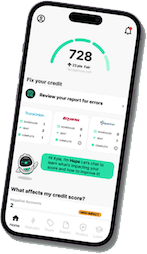
You don’t need a credit score to start credit monitoring as a new immigrant in the US, and you don’t need to have built any credit history or paid any bills in this country yet either. All you need is an SSN or ITIN, plus knowing which tools actually work.
Once you have an SSN or ITIN, you can pull credit reports from all three credit bureaus and set up ongoing monitoring within days, even before you have a credit score to show.
Monitoring won’t build your credit score by itself: it just makes sure the credit history you’re starting, the one Dovly AI already watches for you on TransUnion, is accurate and safe.
Here’s what credit monitoring for recent immigrants in the US actually looks like: what to set up first, how to pull your credit reports for free, what you’ll actually see before a FICO score shows up, why your foreign credit history won’t carry over, and how free tools stack up against paid ones.

Get Your SSN or ITIN Set Up First, Since That Decides What You Can Monitor
Before you can watch anything, the credit bureaus need a way to file you. Every credit report in the US gets built around one identifier: a Social Security number or an Individual Taxpayer Identification Number. No exceptions, no workaround.
If You Qualify for a Social Security Number
Most work-visa holders (H-1B, L-1, TN, O-1), green card holders, and students with work authorization qualify for an SSN and can obtain one through ssa.gov: there’s no cost to apply, and it takes an in-person visit to your local Social Security office.
An SSN opens the widest door. Most free monitoring services, for example Experian, Credit Karma, and CreditWise, ask for one at signup, so getting yours sorted early is what unlocks everything else in this piece.
If You Only Qualify for an ITIN
If you don’t qualify for an SSN, you’re not locked out. Nonresident aliens, resident aliens without SSN eligibility, and spouses or dependents filing taxes can apply for an Individual Taxpayer Identification Number instead. File IRS Form W-7, usually alongside your tax return.
Here’s the honest limitation: credit bureaus don’t take an ITIN as a signup identifier the way they take an SSN, so most no-cost monitoring apps are off the table. What it does get you is a mailed report request and access to a smaller list of different types of credit products, enough to start, just not the fastest path.
How to Pull Your Free Credit Report and Score With No US Credit History Yet
Requesting Your Report If You Have an SSN
Start at AnnualCreditReport.com. It’s the one legally mandated site that gives you no-cost weekly access to your credit report from all three major credit bureaus: Experian, Equifax, and TransUnion. Experian also runs its own no-cost membership that adds a FICO score on top, no card required.
Don’t be surprised if the credit score section comes back blank. A credit report can exist before a credit score does: scoring models need at least one account reporting payment history for one to six months before they’ll generate a number.
Requesting Your Report If You Only Have an ITIN
The SSN path above happens online. ITIN holders have to go through the mail instead. Experian requires a written request: your full legal name with middle initial, date of birth, two years of address history, a copy of a valid government-issued ID, and a utility bill showing your current address.
Set your expectations here: this is slower than clicking a button. Budget a few weeks, not a few minutes.
What You’ll Actually See Before You Have a Credit Score
Your first pull might say “no record found.” That’s not a glitch, it’s what “credit invisible” actually means: no US lender or creditor has reported your payments yet, so there’s no FICO score yet.
At this stage, monitoring isn’t about watching a number move. It’s about confirming a file actually exists and that nothing has attached itself to it without your knowledge before you’ve even started.
Your Foreign Credit History Won’t Show Up Here, Here’s the Workaround
Why US Bureaus Start You at Zero
Experian, Equifax, and TransUnion only track what US lenders and banks report to them. Years of strong credit history in your home country don’t carry over, not because you’re untrustworthy, but because the systems never talk to each other. This is one of the most common questions floating around forums for immigrants, so here’s the direct answer: no, your credit history doesn’t transfer, and that’s not a reflection of you.
How Nova Credit Bridges the Gap
Nova Credit is a separate company, unrelated to Dovly AI, that translates your foreign credit report into something called a Credit Passport: a US-equivalent credit score that certain lenders can use in place of a US credit file for loans or new accounts. American Express is one lender that accepts it.
Coverage runs through partnerships with individual countries’ credit bureaus: Austria, Brazil, Canada, Colombia, the Dominican Republic, Ghana, Germany, India, Kenya, Mexico, Nigeria, the Philippines, South Korea, Spain, Switzerland, Ukraine, and South Africa, as of this writing. That list grows over time, and not every lender on the platform accepts every country on it, so check novacredit.com/bureaupartners and confirm directly with the one you’re considering.
One thing worth knowing: a Credit Passport helps size you up for a new account. It doesn’t plug into your ongoing US monitoring, and it doesn’t touch your Experian, Equifax, or TransUnion credit history. Those stay blank until a US lender actually starts reporting on you, credit card issuers included.

Free vs. Paid Monitoring: What’s Worth Paying For When You’re Starting From Scratch
What the Free Services Actually Cover
Three free services come up again and again in this research, each covering different ground. AnnualCreditReport.com gives you weekly access to your credit report from all three credit bureaus, and it requires an SSN. Credit Karma monitors your Equifax and TransUnion reports at no cost, showing two credit scores instead of one, no card or purchase needed. CreditWise from Capital One tracks your TransUnion credit score and also watches your Experian report for changes, and you don’t need a Capital One card to use it.
Here’s the catch for ITIN-only readers: you’re not eligible for any of these three at signup, since all three ask for a Social Security number. If you’re on the ITIN path, the mailed Experian report covered earlier in this piece is currently your good option. That’s a real gap, not a knock on you.
For the SSN path, free access is usually plenty if all you want is to see your credit history and get a basic heads-up when something changes.
What a Paid Plan Adds
A paid plan, Dovly AI included, folds multi-bureau monitoring into one dashboard instead of you juggling three separate logins, swaps weekly or monthly snapshots for real-time alerts on new accounts, balances, payments, and credit limit changes, including the moment a balance crosses a certain amount, and usually adds identity theft insurance and dark web scans for a stolen SSN or ITIN. That kind of visibility gives you the confidence to stay responsible with your payments, not just the big ones.
Whether that benefits you comes down to what you’re actually worried about. If that kind of risk feels real for you, and it’s a bigger one for newcomers with thin, unmonitored files, paying for constant coverage delivers real benefit. If you just want occasional insight into your credit health, the free tools you’re eligible for already give you that confidence.
How Often to Check and What to Do When Something’s Off
Set a Simple Monitoring Cadence
Pull your full credit report once a month for the first six months: that’s the window when a thin file is most vulnerable to mixed-file errors. After that, a quick check-in whenever you open a new account or get a monitoring alert is enough enough to protect strong credit.
One thing worth knowing: checking your own report is a soft inquiry. It doesn’t lower your FICO score, no matter how often you look.
Disputing an Error You Find
File the dispute directly with the bureau that shows it, online, not by phone. The Fair Credit Reporting Act gives them roughly 30 days to investigate (up to 45 if you submit more information mid-investigation), and if the item turns out to be inaccurate or unverifiable, it comes off. What stays is what’s accurate: a real negative won’t disappear just because you disputed it.
Watch especially for mixed-file mix-ups: a name or SSN digit keyed wrong at a lender or creditor, landing someone else’s account, payment history, or on time payments on your file. Research flags these as more common on thin, new files like yours, so a stray account that isn’t yours is worth a second look, not a shrug.
Responding to Suspected Fraud
Fraud alerts and credit freezes handle this differently. A fraud alert flags your file so lenders have to take extra steps to verify it’s really you before opening anything. A credit freeze goes further: it blocks new accounts from being opened at all until you lift it. Visit IdentityTheft.gov to report the incident first: it’s the federal starting point and walks you through next steps.
The risk is bigger here than it looks. A freshly opened, thin file has no years of credit history to compare against, so a bogus account can blend in instead of sticking out the way it would on an established file. That’s exactly why lenders and monitoring both matter more right now than they will once you’ve got strong credit history.

Starting From Zero Doesn’t Mean Starting Blind
Get your SSN or ITIN sorted first, since that’s the one thing every new immigrant needs before anything else can start. Pull your credit report from whichever bureaus will take you. Watch it before you even have a credit score to watch, since your credit history from home doesn’t carry over and this file is starting from zero.
That’s exactly where Dovly AI picks up. It already watches your credit across multiple bureaus, tracking every change to your credit history and flagging what needs a second look, so a thin file doesn’t have to wait months for its first check-in. Real people sit behind that AI, and they’re the ones who help you dispute what’s actually wrong on it. No hard pull, no waiting for a credit score to show up first, just your file, watched from day one.
Starting from zero doesn’t mean starting blind. It means taking control of the one thing that’s already yours: the file itself, so you can start building strong credit and use credit responsibly from here on out. The more responsible payments you make from here, the stronger that credit history gets.
Frequently Asked Questions
Can undocumented immigrants monitor a credit report without a Social Security number?
Can I get a credit score if I’m not a US citizen?
How long does it take to get a credit score you can actually monitor after opening your first account?
What’s the difference between a fraud alert and a credit freeze, and which is better for a new immigrant?


COMPANY
CREDIT HELP
LOCAL PAGES
COMPARE OPTIONS
© 2026 Dovly, Inc. All rights reserved.