What a Credit Score Under 500 Really Means and How to Move Past It

A credit score under 500 can make it harder to qualify for loans, credit cards, apartments, and competitive interest rates, but it doesn’t have to stay that way. This guide explains what a 500 credit score means, what financial options are still available, and the practical steps you can take to rebuild your credit. You’ll also learn how Dovly AI can help automate disputes, monitor your TransUnion® credit report, and support your journey toward a stronger credit score.
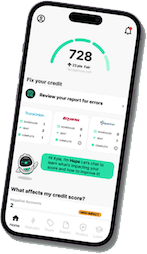
Seeing a credit score under 500 is jarring. You’re not an outlier, though. About 16% of U.S. consumers fall in the “Very Poor” range (300 to 579).
This guide covers anyone in that range. Worth knowing upfront: FHA mortgage eligibility starts at 500, so if your score falls below that, you have one extra milestone before home-buying options open up.
By the end, you’ll know what a 500 credit score means, what you can qualify for, and how to start improving it with Dovly AI.

What Is a 500 Credit Score?
A 500 credit score sits near the bottom of the 300–850 scale used by the two dominant credit scoring models. FICO classifies 500 as “Very Poor.” VantageScore calls it “subprime.” Most mainstream lenders will decline the application.
The FICO credit score range breaks down like this:
| Score | Label |
|---|---|
| 800–850 | Exceptional |
| 740–799 | Very Good |
| 670–739 | Good |
| 580–669 | Fair |
| 300–579 | Very Poor |
Fair credit starts at 580. That’s 80 points away and the first threshold where meaningful options start to open up.
The national average score is 714. A bad credit score of 500 sits 214 points below that, and 99% of U.S. consumers score higher. A poor score in this range is uncommon, which is why lenders treat it as high risk. A low credit score of 500 is a starting point, not a permanent address.
What Can You Still Get Approved For with a 500 Credit Score?
Options are limited but real. Here’s what’s actually on the table.
Credit cards: A secured credit card is often the best place to start. You make a security deposit that becomes your credit limit, and the card functions like a traditional credit card while reporting your activity to the credit bureaus. Keeping balances low and making on-time payments can help build positive history. Becoming an authorized user on someone else’s well-managed account may also help.
Auto loans: Car loans are more accessible at 500 than most other financial products because the vehicle acts as collateral. Interest rates will be significantly higher than average, so get pre-approved through a credit union before visiting a dealership and put down as much as possible upfront.
Mortgage: Conventional loans generally require at least a 620 FICO score. FHA loans allow a 500 credit score with a 10% down payment. VA and USDA loans do not have government-set minimums, but most lenders prefer scores of at least 620 to 640.

Why Is Your Credit Score at 500?
A bad credit score doesn’t happen randomly. It’s the result of specific, identifiable factors recorded in your credit report. Negative marks from missed payments, high balances, or collections are the most common causes.
The five factors FICO uses:
- Payment history (35%): The single most important factor. Missed payments, charge-offs, and collections do the most damage here.
- Credit utilization (30%): Your credit utilization ratio is what you owe divided by your total limits. Experian data shows the average utilization for people with a 500 score is 93.8%. The recommended ceiling is 30%.
- Length of credit history (15%): How long your credit accounts have been open.
- Credit mix (10%): A combination of revolving credit and installment loans helps.
- New credit (10%): Too many recent applications temporarily lower the score.
High credit utilization and missed payments together explain the majority of credit scores in this range.
How to Improve a 500 Credit Score
No overnight fixes exist. But consistent, responsible financial habits produce real results, often within 6 to 12 months. Here’s where to focus.
Pay every bill on time. Payment history is 35% of your FICO score. Set up autopay for at least the minimum on every account. A positive payment history starts building the moment missed payments stop.
Lower your credit utilization. Your utilization ratio (balances divided by total credit limits) accounts for 30%. Paying down credit card balances even slightly can move the credit score at the next reporting cycle. Target below 30%, ideally under 10%.
Open a secured credit card. A security deposit becomes your credit limit. Use it for small purchases, pay it off monthly, and it reports positive activity to the bureaus. It’s one of the fastest ways to add more credit history responsibly.
Consider a credit builder loan. Available at most credit unions, these add an installment loan to your credit mix while building savings simultaneously.
Keep old accounts open. Closing a credit card account shortens your credit history and reduces available credit. Limit new credit applications to avoid hard inquiries stacking up.
| Timeframe | Milestone |
|---|---|
| 1–3 months | Disputes resolved, secured card reporting begins |
| 3–6 months | Score starts moving |
| 6–12 months | 50–100 point gain possible, approaching fair credit |
| 12–24 months | Good credit range (670+) achievable with sustained positive credit habits |

Takeaway: Your 500 Credit Score Is Fixable. Dovly AI Can Help.
A 500 credit score affects interest rates, approval odds, and financial opportunities across the board. But every factor driving it down is fixable: on-time payments, reduced credit utilization, a secured credit card, errors removed from your credit report.
The hardest part isn’t knowing what to do. It’s tracking your credit report across all three credit bureaus, catching every error, and disputing them correctly while building positive credit habits at the same time.
Dovly AI handles the monitoring and dispute process for you, so you can focus on the habits that move the score. Sign up today and take the first real step toward a good credit score.
Frequently Asked Questions
What happens if your credit score is below 500?
Why is my credit score under 500?
How long will it take to improve credit score from 500 to 700?
Can you get approved with a 500 credit score?


COMPANY
CREDIT HELP
LOCAL PAGES
COMPARE OPTIONS
© 2026 Dovly, Inc. All rights reserved.