FICO Credit Score vs Credit Score – What’s Really Going On Here?

If your credit score seems to change depending on where you check it, you’re not imagining things. The truth is, you don’t have just one credit score—and that’s where a lot of the confusion starts. This guide breaks down the difference between a FICO score and other types of credit scores, why your numbers can vary, and what lenders are actually looking at. And with tools like Dovly AI to help you monitor your credit and understand what’s impacting your scores, staying informed (and in control) becomes a whole lot easier.
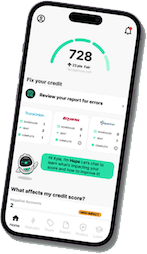
If you’ve ever checked your credit score online and gotten numbers that seemed to be all over the place, you’re certainly not the only one. You check your score on one app and it’s 712, another app says 689, your bank says 705, and then your lender pulls a completely different number out of the hat.
So which one is actually correct?
This is the point where the conversation around FICO scores versus other credit scores starts to get really confusing.
Most people just throw the term “credit score” around like it’s one single number that’s never going to change. But the reality is there’s not just one score, one formula, or even one version – which is why your numbers can vary depending on where you look, and why understanding the difference between a credit score and a FICO score actually matters.

A Quick Guide To Get You Up To Speed
Here’s the simple lowdown:
- A credit score is a pretty vague term that doesn’t really tell you much.
- A FICO score is a specific type of credit score that was created by Fair Isaac Corporation.
- Not all credit scores are FICO scores.
- Different models use different calculations to come up with their credit scores.
That’s why your numbers can differ – and why some lenders tend to prefer particular models over others.
Now let’s break it down properly.
What Is A Credit Score Anyway?
A credit score is a three digit number that’s supposed to give you an idea of how likely you are to pay back any debts you take on. It’s based on your past credit history and reflects just how big of a credit risk you are.
Your credit score is based on the information in your credit reports, which are maintained by the three major credit bureaus: Experian, Equifax, and TransUnion.
When lenders are reviewing your application, they don’t sit down and read every line of your credit reports. Instead, they use a credit scoring model to analyse your data and boil it down to a single credit score that gives them an idea of how reliable you are financially.
Because different models interpret the same data in different ways, you can end up with different credit scores at the same time.
Where FICO Scores Fit In With All This
A FICO score is just one type of credit score that was developed by Fair Isaac Corporation way back in 1989. Over time, it became the go-to standard in the industry.
Today, most financial institutions – especially when it comes to mortgages and large loans – rely on some version of the FICO score when making lending decisions.
But here’s the thing that catches a lot of people off guard: there isn’t just one FICO score out there.
There are multiple different FICO score versions, and even industry specific models like the FICO Auto Score which is used for car loan approvals.
That’s where the numbers can start to differ.
Why FICO Score vs Other Credit Scores Don’t Match Up
This is the bit that really frustrates people.
You check your FICO score and it says 720, you apply for a car loan and the lender says 684 – and you think to yourself “where’s the mistake in my credit reports?”
More often than not though, there’s no mistake at all.
The difference usually comes down to two things:
- Different scoring models being used
- Different data from the credit bureaus
Sometimes it’s a bit of both.
Not All Credit Scores Are The Same
There are loads of different scoring models out there today.
FICO scores are probably the most widely used, but there are also VantageScore credit scores, and loads of other credit scoring models being used by lenders, apps and credit card companies.
When you see free credit scores inside a banking app, they’re probably not the same FICO score version that your lender is using.
That doesn’t necessarily mean they’re wrong – it just means they’re based on a different credit score that’s been generated using a different formula.
The Credit Agencies Matter Too
Your credit reports live with the three credit agencies: Experian, Equifax, and TransUnion.
They don’t always have identical information.
One credit account might report to one agency before another, or a recent payment update might show up on one credit report first.
Since your credit score is based on the data inside those credit reports, even small differences can produce different credit scores.
So you could have:
- A FICO score based on Experian data
- A FICO score based on TransUnion data
- A VantageScore based on Equifax data
That’s already multiple credit scores – before even taking into account all the different FICO scores.

How A FICO Score Is Calculated
FICO scores use a structured credit scoring model to analyse patterns in your credit history and work out how likely you are to pay back any debts. It’s not a random number — it’s how credit scoring works.
Here are the main things that have a big impact:
Your Payment History
Your payment history is what really counts.
It takes into account things like whether you pay your credit bills on time, how recently you’ve made late payments, and whether anything has ended up in collections.
Even one late payment can really hurt your credit score – especially if you’ve been in good shape before.
How Much You Owe & Credit Utilization
This is all about how much credit you’re using – also known as your credit utilization ratio.
If you’ve got a $10,000 limit on your credit card and a $3,000 balance, then you’re using 30% of your available credit.
The lower your utilization – the better for your credit score. Having a big balance on your credit card, even if you’re paying on time, can still hurt your credit score.
FICO takes a close look at revolving credit accounts like credit cards when they’re calculating this.
How Long You’ve Had Credit
The length of time you’ve had credit is all about how long your credit accounts have been open – including your oldest one and your average age.
Having a longer credit history gives credit scoring models more to work with.
Closing old accounts can actually lower your credit score if it reduces the average age of your accounts.
What Kind of Credit You Have
Credit mix is all about the different kinds of credit you have on your report – like credit cards, installment loans, car loans and mortgages.
Having a mix of different types of credit can show that you’re a responsible borrower over time.
You don’t need to go out and get loads of new credit in order to improve your credit mix – just having a bit of diversity can help.
New Credit & Credit Inquiries
Applying for new credit shows up as a credit inquiry.
Getting too many credit applications in a short space of time can knock your credit score down a bit – and opening loads of new credit accounts at once can make you look like a bigger credit risk.
That being said, FICO knows that rate shopping for a car or house loan isn’t bad if you do it within a short period.
The FICO Score Myth: you don’t just have one credit score
You don’t have one single FICO score.
There are loads of FICO scores – all worked out using different FICO score versions and calculated using data from one of the major credit bureaus.
Some lenders use older versions, mortgage lenders may use specific ones, and car lenders may use a FICO Auto Score that gives more weight to car loan history.
So you can have loads of FICO scores all at the same time – and they can all be valid – just calculated a bit differently.
That’s why “different credit scores” isn’t just marketing nonsense – its the real deal.

Its not about one number – its about understanding the system
The FICO vs credit score debate isn’t about which number is real.
It’s about understanding which scoring system your lender is using.
Once you know that, you can stop stressing over tiny changes and focus on what actually matters — like payment history, credit utilization, and not going wild on new credit.
And if you ever feel like your credit report doesn’t tell the full story, or you want to understand what’s influencing your FICO score compared to others, tools like Dovly can help you keep an eye on what lenders see.
Because improving your credit isn’t about chasing numbers — it’s about strengthening what lenders actually evaluate.
Frequently Asked Questions
Is a FICO score the same as a credit score?
Is your FICO score the best credit score?
Why is your FICO score different to your other scores?
What is a good FICO credit score?


COMPANY
CREDIT HELP
LOCAL PAGES
COMPARE OPTIONS
© 2026 Dovly, Inc. All rights reserved.