Habits to Maintain High Credit Score: What Actually Works (2026)

A high credit score doesn’t happen by accident—it’s built through consistent habits and smart financial decisions over time. From paying bills on time to managing credit utilization and monitoring your credit report, small actions can make a big impact on your overall financial health. In this guide, we break down the key habits that help you maintain a strong credit score, protect your borrowing power, and stay prepared for future financial goals. And with tools like Dovly AI to help track your progress and spot potential issues, staying on top of your credit has never been easier.
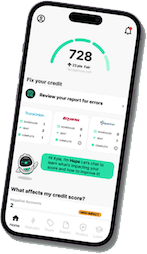
A good credit score isn’t just a number—it’s a reflection of your financial health and affects your ability to obtain credit, secure favorable interest rates, and maintain flexibility for future financial goals. Keeping a high score means monitoring your credit report and credit history while practicing smart habits consistently. With Dovly AI, you can track your credit score, get reminders, and build a strong credit report effortlessly.
In this guide, we’ll cover actionable habits to maintain a high credit score that protect your financial future and borrowing power, including tips on building credit responsibly and making payments to stay on track.

Understand Your Credit Score and Credit Report
Before you can improve or maintain your credit, it’s important to understand what makes up your credit score and how your credit report reflects your financial behavior.
What Makes Up a Credit Score
Your credit score is calculated based on several key factors that reflect your financial behavior:
- Payment history – Shows whether you pay your bills on time and is the most significant factor. Even one late credit card payment can significantly lower this portion of your score.
- Credit utilization ratio – Tracks how much of your available credit you’re using. Using $3,000 of a $10,000 limit equals 30% utilization, which is generally safe.
- Credit mix – Reflects a combination of credit accounts, including credit cards, car loans, and other accounts, and shows lenders you can handle multiple types of credit responsibly.
- New credit – Accounts recently opened and hard inquiries can temporarily impact your score. Opening several new accounts in a short period may temporarily lower your score.
- Length of credit history – Keeping an older account active demonstrates reliability to lenders.
Together, these factors influence lending decisions based on your credit report, affecting your ability to access enough money and qualify for favorable interest rates.
Check Your Credit Report Regularly
Monitoring your credit report with all three major credit bureaus is one of the most important habits for maintaining a strong credit score. You can obtain a free credit report from each of the three credit reporting agencies at least once a year to check your credit record. Check your credit report at least once a quarter, especially before major financial decisions like a mortgage or car loan, to catch errors or signs of fraud early so you can address issues before they impact your score. Staying proactive with your credit report ensures your financial habits are accurately reflected and protects your long-term financial health.
Maintain Consistent Payment Habits
Developing reliable payment habits not only keeps your credit score healthy but also helps you stay in control of your finances month after month.
Pay Bills on Time Every Month
Staying on top of your payments is key to a good credit score.
- Track each bill’s due date to avoid missing payments.
- Use automatic payments or payment reminders to stay on schedule.
- Prioritize financial obligations to protect your credit profile.
Avoid Only Paying the Minimum
Paying only the minimum balance can increase credit card debt and hurt your credit utilization ratio.
- Pay more than the minimum whenever possible to lower your outstanding balance.
- Apply extra from your monthly income toward high-interest debt first.
- Consistent payments strengthen both your credit report and overall financial health.
Manage Your Credit Utilization Wisely
How you use your available credit can have a big impact on your score, so understanding and managing your credit utilization is key to maintaining strong credit.
Keep Credit Utilization Low
Your credit utilization measures how much of your available credit you’re using and is a significant factor in your credit score.
- Credit utilization ratio looks at total balances versus total credit limits, while credit utilization rate can apply to individual accounts.
- Aim to keep utilization under 30%—for example, a $3,000 balance on $10,000 total available credit.
- High utilization on revolving accounts can hurt your score, even if payments are on time.
Spread Out Balances Across Accounts
Distribute your balances across credit card accounts to avoid high utilization on any single card.
- Keeping each account well below its credit limit helps maintain a healthy overall credit utilization ratio.
- This strategy shows lenders responsible credit management across multiple revolving accounts.
Maintain a Healthy Mix of Credit
A diverse combination of credit types helps demonstrate to lenders that you can handle different financial responsibilities, which can strengthen your overall credit profile.
Diversify Your Credit Accounts
Having a balanced mix of credit can help boost your credit score.
- Installment loans include auto loans and other loans with fixed payments.
- Revolving accounts, like credit cards, allow ongoing borrowing up to a set limit.
- A mix of both types shows lenders you can manage different forms of credit responsibly.
Avoid Opening Too Many New Accounts at Once
Opening multiple new accounts in a short period can temporarily reflect negatively on your score.
- Each hard inquiry slightly impacts your credit, so space out new applications.
- Maintaining short periods between applications protects your credit history and score stability.
Strategic Use of Credit Cards
Using credit cards thoughtfully, whether through secured cards, older accounts, or authorized user opportunities, can help you build a strong credit history while keeping your overall credit profile healthy.
Consider Secured Credit Cards if Needed
A secured credit card is a great tool for building credit if you have a thin credit history.
- It functions like a regular credit card but requires a security deposit.
- Responsible use helps establish a positive credit record and improve your score over time.
Keep Old Accounts Open
Closing old credit card accounts can reduce your available credit and increase your credit utilization ratio.
- Keeping older accounts open shows a longer credit history, preserves your total credit limit, and helps with maintaining good credit.
- Use the cards occasionally to keep them active on your credit report without accumulating unnecessary debt.
Use Authorized Users Wisely
Becoming an authorized user on a trusted person’s account can positively impact your credit profile.
- Their payment history may reflect on your report, helping strengthen your good credit habits.
- Choose accounts with low balances and a history of making payments on-time for maximum benefit.

Protect Yourself From Financial Pitfalls
Safeguarding your credit requires awareness and proactive habits to avoid fraud, identity theft, and financial decisions that could put your score at risk.
Monitor for Fraud and Identity Theft
Protecting your credit starts with vigilance, since fraud and identity theft can quickly damage an otherwise strong credit profile.
- Check your free credit report regularly to spot possible fraud early and ensure all listed inquiries are legitimate.
- Set up alerts with financial institutions for unusual activity.
- Practice strong security habits to safeguard against identity theft and unauthorized access to your accounts.
Avoid Taking on Excessive Debt
Managing debt responsibly is key to maintaining a good credit score.
- Keep your debt-to-income ratio in check when taking out loans or borrowing more money.
- Maintain an emergency fund to cover unexpected expenses without relying on credit.
- Align borrowing decisions with your financial goals to stay in control of your finances.
Build Long-Term Financial Habits
Developing long-term financial habits and working with trusted institutions can help you stay disciplined, achieve your goals, and maintain a strong credit profile over time.
Set Financial Goals
Aligning your credit habits with your personal goals helps you maintain a strong credit score.
- Track progress toward your goals to reinforce good credit habits.
- Focus on practices that support long-term financial health, like paying on time and managing debt responsibly.
Work With Financial Institutions and Credit Unions
Collaborating with trusted financial institutions or credit unions can provide guidance and resources for better credit report management.
- Take advantage of tools, advice, and programs offered by consumer finance professionals.
- These partnerships can help you make informed decisions and stay on track with your goals.
Track Your Progress and Adjust
Regularly reviewing your credit and adapting your habits ensures that your financial strategies remain effective and your credit stays strong over time.
Review Your Credit File Periodically
Staying proactive helps you maintain a good credit score.
- Check your credit file regularly for updates or errors.
- Monitor credit card accounts, new accounts, and balances to catch issues early.
- Tracking these details ensures your credit reflects responsible management.
Adjust Habits as Needed
Your credit habits should be flexible to stay effective.
- Pay down high utilization to improve your credit score.
- Maintain consistent payment history and adopt new strategies as your financial situation changes.
- Regular adjustments reinforce good credit habits and protect your financial health.

Final Takeaway: Your Path to Maintaining a High Credit Score
Maintaining a high credit score comes down to consistent, smart habits that protect your financial health over time. By monitoring your credit report regularly, staying on top of monthly payments, keeping credit utilization low, and maintaining a healthy mix of credit, you demonstrate to lenders that you can manage credit responsibly. These habits not only help preserve your score but can also improve your chances of qualifying for better loan terms, lower interest rates, and greater financial flexibility when major opportunities arise.
Tools like Dovly AI can help track your credit file, send reminders, and simplify the process of building and maintaining good credit. Combining these strategies with careful borrowing, reviewing updates from the major credit bureaus, working with trusted financial institutions or credit unions, and setting clear goals can help keep your score strong and your long-term financial future on track.

Frequently Asked Questions
What are the 5 C’s of good credit?
What is the #1 rule to maintain a good credit score?
What credit score do I need to buy a $400,000 house?
What is the biggest killer of credit scores?


COMPANY
CREDIT HELP
LOCAL PAGES
COMPARE OPTIONS
© 2026 Dovly, Inc. All rights reserved.