818 Credit Score: What It Means and How to Maintain Exceptional Credit

An 818 credit score is a mark of exceptional financial health, signaling strong habits, consistency, and low risk to lenders. It unlocks access to top-tier loans, premium credit cards, lower interest rates, and valuable perks—but maintaining it requires ongoing care. Protect your payment history, manage credit utilization strategically, monitor for errors or fraud, and be selective with new credit. With consistent habits and proactive oversight, an excellent score like 818 doesn’t just reflect your past success—it sets you up for long-term financial flexibility and opportunities.
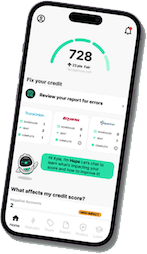
An 818 credit score signals strong financial habits and long-term credit health. Reaching this level—or working toward an excellent credit score or maintaining an exceptional FICO score—means understanding how to maintain, protect, and fully benefit from a higher credit score to preserve access to top-tier financial opportunities.

Is an 818 Credit Score Good or Excellent?
An 818 falls firmly in the excellent credit score range, well above a good credit score and the average credit score. Most scoring models consider anything above 800 to be elite, meaning lenders view you as a low-risk borrower when reviewing your credit report, alongside other factors.
Compared to different credit scores across the credit scoring model, an 818 stands out for its stability, consistency, and low likelihood of default.
How an 818 Compares to Other Credit Scores
While an 818 isn’t a perfect credit score, it sits just below the highest possible range and reflects near-flawless credit management.
- Poor–Fair scores (300–669): Limited approval and higher costs
- Good credit scores (670–739): Decent access but fewer perks
- Very good scores (740–799): Strong approval odds
- 818 credit score: Premium approvals, lower interest rates, and top-tier rewards
Factors That Contribute to an 818 Credit Score
An 818 isn’t accidental. It’s built over time through multiple reinforcing behaviors across your credit accounts.
Payment History
Payment track record is the most influential factor in your FICO score, and maintaining a long record of on-time payments—while avoiding late or missed payments—is critical for sustaining good scores. Lenders may also consider your employment history when evaluating your reliability for new credit opportunities.
Low Credit Utilization Rate
Credit utilization rate reflects the percentage of available revolving credit you use relative to your total debt, as shown on your credit report. Keeping this figure low plays a major role in protecting a high FICO score, signaling to lenders that you manage balances responsibly and aren’t overextended.
Length of Credit History
A longer, well-managed credit history strengthens your profile by increasing the average age of your active accounts. Closing older accounts can shorten your history and slightly weaken score stability.
Credit Mix and Multiple Accounts
Managing multiple credit accounts across different types—such as revolving credit, installment loans, and car loans, and other credit products demonstrates financial versatility.
New Credit and Hard Inquiries
New credit applications trigger hard inquiries, which can cause small, temporary dips in your score if done frequently. Soft inquiries, including monitoring your credit, do not impact your score.

How an 818 Credit Score Affects Your Borrowing Options
An 818 credit score positions you as a highly reliable borrower in the eyes of lenders. This opens doors to top-tier personal loans, credit cards, auto loans, and favorable borrowing terms while giving you access to premium perks and financial flexibility.
Loans and Credit Cards
You gain access to the best credit cards, personal loans, auto loans, and mortgages. High scores often come with perks like lower interest rates, higher credit limits, and travel rewards, including premium cards from major issuers like one venture and Wells Fargo, giving consumers more borrowing flexibility. Lenders may also consider your debt-to-income ratio when evaluating eligibility and terms for loans and credit.
Terms and Approval Chances
Exceptional credit scores lead to favorable loan terms, lower fees, and faster approval. For example, a mortgage rate for an 818 score may be several percentage points lower than for a 718, saving money over time.
Identity Protection and Fraud Safeguards
800+ credit scores can attract offers from lenders and credit card issuers, but they also make identity theft and fraud a concern. Regular credit monitoring through services like Dovly AI, Credit Karma, or Experian helps protect your profile and alert you to suspicious activity.
How to Maintain or Improve an 818 Credit Score
Maintaining an 818 credit score requires consistency and protection, while further improvement comes from refining habits that supports your financial future.
Protect Your Payment Track Record
One late payment can have an outsized impact on exceptional credit scores, so consistency matters more than volume. Automating bills and reviewing statements monthly helps protect your positive record, ensure you pay on time, and manage your money more effectively.
Watch for Silent Score Threats
Errors, fraud, or identity theft can quietly damage an otherwise strong profile and negatively impact your overall credit rating. Regular credit monitoring through soft inquiries lets you catch issues early, dispute inaccuracies, and protect the score you’ve worked hard to build—without affecting your ability to borrow or access better financial terms.
Optimize, Don’t Just Limit, Utilization
High scores benefit from strategic balance management, not just low balances. Rotating usage across cards—including premium options like one venture—and paying balances before statements close helps keep utilization optimized. This approach shows lenders you can manage credit responsibly while still using it, which supports long-term score stability.
Be Selective With New Credit
At high score ranges, even small dips stand out more. Only apply for new credit when it provides clear value, such as better rewards, improved terms, or opportunities to save money over time. Avoid opening accounts simply for short-term perks, as unnecessary inquiries can temporarily lower an otherwise strong profile.
Maintain Stability Across Long-Standing Accounts
Score stability matters as much as growth at this level. Keeping older accounts active and lightly used—and continuing to pay them on time—helps preserve both history length and scoring consistency. Long-standing, well-managed accounts signal reliability to lenders and reinforce a strong overall credit profile.

TL;DR: Key Takeaways for Maintaining an 818
An 818 credit score opens doors to premium loans, lower interest rates, and top-tier credit opportunities. Maintaining this level means avoiding late payments, high credit utilization, and unnecessary new credit applications. Consistency is key—automating bills, keeping older accounts active, and strategically managing balances helps preserve both your score and credit history.
Proactive monitoring is also essential. Tools like Dovly AI make it easy to track changes, catch errors, and optimize your credit strategy over time. By combining responsible payment habits with strategic use of credit accounts and regular oversight, you can protect your excellent credit score while continuing to build long-term financial flexibility and stability.
Frequently Asked Questions
Is a 900 credit score possible?
What credit score is needed to buy a $400,000 house?
Does anyone ever get an 850 credit score?
How rare is an 800 credit score?


COMPANY
CREDIT HELP
LOCAL PAGES
COMPARE OPTIONS
© 2026 Dovly, Inc. All rights reserved.