597 Credit Score: What It Means, How It Affects You, and Steps to Improve

A 597 credit score falls in the “fair” range—below the national average—which can affect your borrowing options, interest rates, and access to financial products. While it’s not disastrous, understanding what contributes to this score and taking targeted steps to improve it can make a big difference. This guide breaks down the factors behind a 597 score, how it impacts loans, credit cards, and renting, and practical strategies—like paying bills on time, lowering credit utilization, and using tools like Dovly AI—to steadily improve your credit and unlock better financial opportunities.
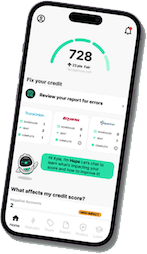
Your credit score plays a big role in your financial opportunities, from a loan or credit card to other types of borrowing. If your FICO score is 597, this guide can help you understand what it means, how it compares to past credit behavior, and how to improve it with Dovly AI. While it’s not poor, it can still influence your ability to borrow, the interest rates applicants pay, and the types of credit you qualify for according to Experian.

Is a 597 Credit Score Bad?
A score of 597 sits near the lower end of the “fair” range. While it’s not a “poor” score, it can still influence your ability to borrow and overall access to financial products.
For context, the average credit score in 2025 is around 715, which puts a 597 score significantly below the national average. This gap can have real financial consequences.
What Factors Contribute to a 597 Credit Score?
Credit scores are calculated using multiple factors. Here’s how they relate to a 597 score:
Payment History
Payment history has the largest impact on your credit score. Even one late payment can drop a score by 50+ points. Skipped payments reported by credit card companies, banks, or other lenders can keep your score in the fair range.
Credit Utilization Rate
Your credit utilization is the ratio of your total available credit to your total credit limits. Using too much credit signals risk to lenders.
Length of Credit History
The age of your credit lines matters—older lines help build a stronger score, while opening several new ones can temporarily lower your average history.
New Credit and Inquiries
Every time you apply for a credit card or loan, a hard inquiry occurs, which can lower your score temporarily. Multiple applications in a short period can signal risk to lenders.
Outstanding Debt and Total Amount Owed
Large balances on revolving accounts or installment loans can negatively affect your score. For example, having $8,000 owed on a $10,000 credit limit is riskier than carrying $2,000.
Credit Mix
Having different types of credit—credit cards, personal loans, secured cards (which often require a security deposit)—can strengthen your credit file. Maintaining these accounts responsibly and keeping accurate records, such as bank statements or other supporting documents, shows potential lenders you manage multiple types of debt effectively.
How a 597 Credit Score Affects Borrowing and Finances
Improving your score is possible with consistent, disciplined action. Here are practical steps:
Loans and Credit Cards
With a 597 score, you still have options, but choices are more limited, often leading toward subprime accounts. Mortgages are still possible, but you may need a higher down payment or a co-signer.
Interest Rates and Fees
Higher rates are common at this score, especially for borrowers who have defaulted in the past, meaning a $10,000 account at 15% can cost much more over time than the same at 8%.
Renting or Buying a Home
A 597 score may lead to higher deposits and requests for extra documents, but steady income can still help you get approved.

How to Improve a 597 Credit Score
Improving your score is possible with consistent, disciplined action. Here are practical steps:
Pay Bills On Time
Consistent, on-time payments are crucial. Automate reminders or set up autopay for all bills to avoid late or missed payments.
Reduce Credit Utilization
Reduce your credit utilization by paying down debt and spreading balances across multiple cards. Aim to keep your utilization below 30% whenever possible.
Consider a Secured Credit Card or Credit Builder Loan
A secured card requires a deposit but can help you build credit, while a credit builder loan reports your payments to all three major credit bureaus, helping to boost your score over time.
Avoid Opening Too Many New Accounts
Space out credit applications since hard inquiries can temporarily lower your score and make you appear riskier to lenders.
Monitor Your Credit Reports Regularly
Check your reports through Experian, Credit Karma, or directly with the bureaus, watching for errors or outdated information that you can dispute for a quick credit boost.
Keep Older Accounts Open
Maintaining older accounts helps preserve the length of your credit history, which supports long-term score improvement.
How Long Will It Take to Improve a 597 Credit Score?
Progress varies by situation, but many people start seeing noticeable improvements within 3–12 months, especially when focusing on payment history, utilization, and avoiding unnecessary new credit. With better financial habits, you can move from fair to a good credit score over time.
\
TL;DR: Turning a 597 Credit Score Into Better Credit
A 597 is considered a fair credit score and below the national average, meaning borrowers may face higher interest rates and limited credit options compared to those with higher credit scores. The good news is that improvement is achievable through consistent, responsible credit habits. Focus on paying monthly payments on time, reducing credit utilization, keeping older accounts open, and monitoring your credit reports through Credit Karma for errors. With discipline, strategic planning, and the help of Dovly AI, you can steadily raise your score, save money, and access better financial opportunities.
Frequently Asked Questions
How good is a 597 credit score?
How do you increase your credit score from 570 to 750?
Can I buy a house with a 597 credit score?
Is 590 a terrible credit score?


COMPANY
CREDIT HELP
LOCAL PAGES
COMPARE OPTIONS
© 2026 Dovly, Inc. All rights reserved.