How Much Does a Personal Loan Drop Your Credit Score?

Taking out a personal loan can cause a small, temporary dip in your credit score—but it’s usually nothing to worry about. This happens because new credit and hard inquiries signal changes to your credit profile. With consistent on-time payments and responsible management, your score typically recovers quickly and may even improve over time. In this guide, we break down why scores dip, how personal loans can actually help your credit, and practical steps to bounce back fast.
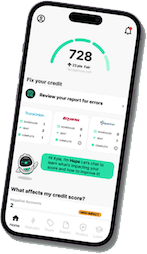
You finally got approved for that personal loan. Maybe it’s to consolidate credit card debt, tackle a home project, or just breathe a little easier. Everything feels great—until you peek at your credit score and notice it dropped a few points. It seems like your personal loan hurt your credit!
Instant panic, right? Don’t worry. Your personal loan didn’t wreck your credit overnight. What’s happening is totally normal, temporary, and even part of building a healthy credit profile in the long run.
That small dip you see is just your credit system adjusting to something new. Think of it like your credit score saying, “Hey, we see you took on a new responsibility—let’s watch how you handle it.” Once it sees you managing that new personal loan with confidence, your credit score often rebounds stronger than before.
In this post, we’ll break down exactly how much a personal loan might drop your credit score, why it happens, and how to bounce back quickly. Think of it like a small bruise on your financial report card—it fades faster than you think.

The Credit Score Impact of a Personal Loan
A personal loan can cause a short-term dip in your credit score, usually around five to twenty points. That’s it. Nothing dramatic or permanent.
The reason behind that dip? Opening new credit. Every time you take on new debt, your credit report records the change. Lenders see this as a sign that you’re taking on new financial responsibility—and they like to see how you handle it before rewarding you with more points.
Most people with a newer personal loan notice just a small dip, usually under 20 points. The drop depends on your overall credit history, how many credit accounts you already have, and how recently you’ve applied for other loans or credit cards.
If your credit profile is already strong, the impact is minimal. In fact, over time, a personal loan can actually help your credit score if you manage it wisely.
That’s because a personal loan often shows you can handle structured, predictable debt. Once your payment record starts to build, it helps balance out other types of credit—like revolving cards—and gives lenders more confidence in your financial stability.
And here’s the part that’s easy to forget: a small dip doesn’t mean something went wrong. It just means the system noticed change. The faster you make consistent monthly payments on your personal loan, the faster your credit score adapts and recovers.
Why Does a New Personal Loan Affect Your Credit Score?
Taking out a personal loan affects your credit in several ways, all of which are built into how credit bureaus calculate your credit score. It’s not punishment—it’s simply how scoring models measure risk and behavior.
Hard Credit Inquiries
When you applied for the personal loan, the lender performed a hard credit inquiry. That’s when they pull your credit report to evaluate your history. It might lower your credit score by about five points, but only for a short time.
If you’re shopping around for the best rates on personal loans, don’t panic—most scoring models group inquiries for similar loans within a short period (about 14–45 days, depending on the model). That means you can compare interest rates without multiple hits.
Think of it like window shopping for a car loan or mortgage. You can check several options as long as you do it close together.
Account Age
Adding a personal loan affects your average age of accounts. This can temporarily lower your credit score since your credit report now includes a newer account. Over time, as your personal loan payments age, your average age improves again.
The key here is patience. Credit age works in your favor the longer you keep accounts open and current. As the months roll by, your personal loan starts to look more seasoned—and your credit score starts to reflect that steady behavior.
Understanding How Credit Scores Work
To really get why your credit score changes, it helps to understand the five key factors that make up your credit score. Once you see how each piece fits together, the whole picture makes a lot more sense.
Payment History
Your payment history makes up about 35% of your credit score. On time payments show lenders that you’re reliable. Even one or two missed payments can cause a noticeable drop, so consistency is key.
If you’ve ever forgotten a due date, you know how stressful it can be to see that reflected on your report. Setting up autopay or calendar reminders is an easy fix that keeps your credit score steady and stress low.
Credit Utilization
Credit utilization and your credit utilization ratio are both huge factors. This is how much of your available revolving credit—like credit cards—you’re actually using. A personal loan doesn’t count as revolving credit, but if you use it to consolidate debt and pay down cards, your utilization improves, which can boost your credit score over time.
Let’s say you have $10,000 in credit card limits and typically carry $6,000 in balances. That’s a 60% utilization—pretty high. Using a personal loan to pay that down to $1,000 instantly drops your ratio, and your credit score thanks you for it.
Credit Mix
Credit scoring models love variety. A strong credit mix (like having both credit cards and an installment loan such as a personal loan or auto loan) helps demonstrate you can manage different types of credit responsibly.
This doesn’t mean you should open accounts just for the sake of bettering your credit mix—it’s about balance. Showing you can handle a personal loan and revolving accounts responsibly signals that you understand how credit works.
Credit History Length
The longer your credit history, the better. When you open a personal loan, your average age of credit accounts dips, but that’s temporary. As time passes, the effect lessens.
Think of credit history like growing a tree—the longer it’s rooted, the stronger it becomes. New branches (accounts) might shift things a bit at first, but over time, the whole system grows healthier.
Inquiries
This is where the “ding” happens. New inquiries slightly affect your credit score because they signal potential new debt. But again, this is short-term. Within a few months, that small adjustment smooths out—especially if you show steady, responsible repayment behavior.
The Bright Side: How a Personal Loan Can Help Your Score
Here’s the part most people don’t realize—a personal loans affect your credit score positively in the long run.
If you use your personal loan responsibly, it can strengthen your positive payment history, diversify your credit mix, and even lower your credit utilization ratio if you consolidate credit card debt.
Over time, those consistent payments and balanced accounts tell lenders that you’re reliable and in control. That’s a big win for your credit report.
Debt Consolidation Benefits
Using a personal loan as a debt consolidation loan to pay off high interest debt or consolidate credit card debt can make a big difference. It moves your debt from revolving credit to an installment loan, which helps your credit utilization.
Plus, one monthly payment on a personal loan instead of juggling several credit card bills? That’s a stress saver. You can budget more easily, stay on top of due dates, and build a stronger financial routine—all things that positively affect your credit score.
And there’s another bonus: a personal loan often comes with a lower, fixed interest rate compared to high-interest cards. That means you can make progress faster without losing ground to growing balances.

Other Common Reasons Your Credit Score Might Drop
It’s not always just about the personal loan itself. Sometimes, other factors sneak in and nudge your score down a bit.
Missed Payments
Even one late payment can have a big impact. Payment history is everything, so making on time payments should be your number one goal. Lenders report payments to credit bureaus each month, and those reports build your long-term reputation.
If you ever find yourself in a pinch, contact your lender before missing a payment. Many will work with you to adjust your due date or offer short-term help to protect your credit.
Closing Old Accounts
After consolidating, some people close old credit cards. That can lower your total credit limit and raise your credit utilization ratio. It can also alter your credit mix, which may cause a small score drop.
Instead of closing those accounts right away, consider keeping them open with a zero balance. That extra available credit works in your favor.
Taking on Too Much New Debt
Multiple new accounts or large personal loans in a short time can signal higher risk to lenders. The key is to borrow within your means and make steady debt payments. Responsible borrowing keeps your credit healthy and your stress levels low.
How to Bounce Back Fast
If your score dips after taking out a personal loan, don’t stress—it’s easy to recover. The secret? Consistency.
Keep Making On Time Payments
Personal loan monthly payments made consistently show lenders you’re reliable. It’s the fastest way to strengthen your credit history and prove that your personal loan responsibly managed was a smart move.
Every month you make a payment, you’re rebuilding momentum. Think of it like each checkmark on your payment record lifting your score little by little.
Monitor Your Credit Report
Check your credit report regularly for accuracy. Sometimes errors or duplicate hard credit inquiries appear, and disputing them can quickly restore points.
Most people are surprised to learn how often mistakes appear on reports. Catching one early can prevent unnecessary score drops and headaches later.
Reduce Revolving Balances
Paying down credit card debt helps your credit utilization ratio. The less of your credit limit you use, the better. Even small extra payments each month can add up to noticeable improvements in your score.
Avoid New Accounts for a While
Give your report some breathing room. Let your personal loan age and your credit score stabilize before applying for another installment loan or credit card. Let lenders see that you can handle what’s already on your plate first.
Understanding Timeframes: When Scores Recover
Time heals everything—including small dips in your credit.
Short-Term (0–3 Months)
Immediately after your personal loan approval, your credit score might dip slightly because of the hard credit inquiry and new credit account. This phase is short-lived and usually barely noticeable.
Medium-Term (3–9 Months)
As you make monthly payments on time and your personal loan begins to age, the score starts to recover. You’re proving your reliability, and lenders love that.
Long-Term (9–18 Months)
After consistent behavior and responsible debt payments, many borrowers find their scores higher than before they took out the personal loan. It’s proof that patience and discipline really do pay off—literally.
Building Your Credit Score Over Time
A healthy credit score doesn’t come from quick fixes—it’s built through steady habits:
- Making on time payments every month
- Keeping credit utilization low
- Letting accounts age naturally
- Avoiding too many new credit applications
These habits show lenders that you’re managing your personal loan responsibly and strengthening your overall financial picture. Over time, this consistency creates a financial safety net—one that can unlock better rates, more options, and less stress.
A Credit Score Dip After a Personal Loan Isn’t Final
So, how much does a personal loan hurt your credit score? Usually just a few points—and that’s nothing compared to the long-term benefits of managing your credit wisely.
Yes, you might see a small, temporary decrease after a hard credit inquiry or a new personal loan account. But as you make steady personal loan monthly payments and maintain a positive payment history, your score recovers—and often rises higher than before.
Your credit score isn’t a judgment—it’s a snapshot of a moment in time. And with every responsible decision you make, that snapshot improves.
If you’re ready to take control of your credit and want a little help along the way, Dovly AI can help automate the hard parts. Their smart credit engine works to repair and boost your score, so you can focus on what really matters: your financial peace of mind.
Frequently Asked Questions
Why has my credit score gone down after getting a loan?
Why is my credit score going down if I pay everything on time?
Is it better to take out a personal loan or get a credit card?
How many points can I expect my score to go up?


COMPANY
CREDIT HELP
LOCAL PAGES
COMPARE OPTIONS
© 2026 Dovly, Inc. All rights reserved.