556 Credit Score: What It Means and How to Improve It

A 556 credit score might feel discouraging, but it doesn’t define your financial future. This guide explains what a 556 score means, how it can affect your borrowing power, and the key steps to start improving it. From making timely payments and lowering debt to using secured credit cards or credit builder loans, small, consistent actions can help rebuild your credit over time. Think of a 556 not as a setback, but as a starting point for stronger financial opportunities ahead.
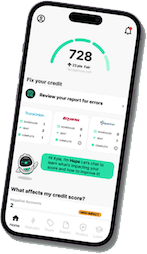
A 556 credit score can feel discouraging, but it’s far from the end of the road. Think of it as a starting point rather than a setback. In this guide, we’ll break down what a 556 score means, how it impacts your financial life, and the exact steps you can take to rebuild and regain control of your future.

Understanding a 556 Credit Score
A 556 FICO score is considered a very poor credit score, well below the national average of around 700. This number reflects your history as reported by the major bureaus, including factors like history of payments, credit utilization, account age, and recent inquiries. While a 556 signals challenges, it also provides a clear starting point for improvement — showing which areas of your credit profile need attention to eventually reach a good credit score.
Is 556 a Bad Credit Score?
A 556 score does present real challenges for many consumers. Most lenders may see you as a higher-risk borrower, which can mean higher interest rates, limited access to certain loans or credit cards, and additional requirements like security deposits. However, it doesn’t mean you’re stuck — using strategies like on-time payments, reducing debt, and responsibly using secured credit cards or credit builder loans can gradually strengthen your credit file and move you toward a good score.
Why Your Credit Score is 556
Several factors can contribute to a 556 credit score, and understanding them is key to improving your financial health. Let’s break them down.
Poor Payment History
Missing a few monthly payments, paying late, or being inconsistent with timely payments can have a big impact. Payment history is the largest factor in most credit scoring models, so even small missteps can weigh heavily on your score. Think of it like getting a bad grade on your money report card.
High Debt or Credit Utilization
Carrying high balances relative to your credit limits, especially on credit cards, can hurt your profile. High utilization signals to lenders that you may be relying too heavily on credit, which can lower your overall score.
Limited Credit History or Credit File Issues
Having only a few accounts, a thin credit file, or multiple recent hard inquiries can make it harder for lenders to assess your reliability. A lack of credit history mix, such as not having personal loans or auto loans alongside credit cards, can also contribute to a lower score.
Other Contributing Factors
Bankruptcies, collections, payday loans, public records, and high fees can all drag down your score. Even seemingly minor factors like origination fees or co-signer arrangements across multiple lenders can have an impact.
How a 556 Credit Score Affects Your Financial Life
A 556 FICO score can create real challenges when it comes to borrowing and managing money. Many lenders may see this score as a sign of risk, which often means higher interest rates on personal loans, auto loans, and mortgages, and may limit the loan amount you qualify for. Access to better financial products, including unsecured credit cards or premium loan offers, may be limited compared to borrowers with fair or better scores.
You might also face extra requirements like security deposits for rentals, utilities, or checking accounts, and qualifying for loans can be more difficult. Even everyday financial decisions, such as a routine credit check for a small loan or new credit card, may require extra scrutiny. Understanding these impacts can help you plan smarter steps to improve your score and financial flexibility.

Steps to Improve a 556 Credit Score
Make Timely Payments
Consistently paying bills, loans, and credit cards on time is the fastest way to show lenders you are responsible. Setting up automatic payments or reminders can help prevent missed or late payments and start building a stronger payment record. Paying more than the minimum payment each month can reduce your balance faster and lower the total interest you pay over time.
Reduce Debt and Maintain Low Credit Utilization
High balances on credit cards can drag your score down even if you make payments on time. Aim to pay down balances and keep your credit utilization below 30 percent to improve your financial reputation steadily. Monitoring how each lender reports your balances to the credit bureaus can also help you time payments strategically for the best impact on your score.
Use Secured Credit Cards or Credit Builder Loans
Secured cards and credit builder loans are tools designed to help rebuild and build credit from the ground up. By making regular payments, you demonstrate positive credit behavior, which can steadily boost your score over time. You might also consider becoming an authorized user on someone else’s well-managed account to gain additional positive credit history.
Avoid Multiple Hard Inquiries
Applying for multiple credit products at once can lower your score and signal risk to lenders. Be selective and strategic about when and where you apply for new credit. If you’re shopping for the best personal loans, compare rates within a short window so that multiple credit checks count as a single inquiry.
Monitor Your Credit Reports Regularly
Checking your credit reports from major bureaus allows you to spot errors, fraudulent activity, or outdated information that could be hurting your score. Regular monitoring keeps you in control of your credit profile and finances.
Consider Small Loans or Credit Union Products
Taking small personal loans from credit unions or alternative lenders and repaying them responsibly can improve your credit mix. This shows lenders that you can manage different types of credit effectively, which can gradually boost your score. Just be mindful of the total interest you’ll pay and compare offers carefully to find the best deal for your situation.
How Long It Takes to Improve a 556 Credit Score
Improving a 556 is a gradual process and typically takes several months to a few years, depending on your financial habits and starting point. Consistently making payments on time, lowering utilization, and using new credit responsibly are key steps that show lenders you’re committed to improving your score. With steady effort and smart money management, you can start seeing noticeable changes in a relatively short period — and eventually qualify for favorable loan terms and better rates when you borrow. Over time, these habits help you lay the foundation for stronger credit and more financial opportunities.

TL;DR: Turning a 556 Score Into an Opportunity
A 556 may feel discouraging, but it’s also a chance to take control of your financial future. Use this score as a reset moment by focusing on small, manageable steps like making timely payments, reducing debt, and using secured credit cards or credit builder loans. Tools like Dovly AI can help you track your progress, monitor your credit report, and stay motivated as you build a stronger credit profile. With consistency and patience, you’ll move closer to the best deal on loans, credit cards, and other financial products — proving that even a very poor score can be the start of something better.

Frequently Asked Questions
Is a credit score of 556 bad?
Can you get a loan with a credit score of 556?
Can I finance a car with a 556 credit score?
Can you buy a house with a 556 credit score?


COMPANY
CREDIT HELP
LOCAL PAGES
COMPARE OPTIONS
© 2026 Dovly, Inc. All rights reserved.