545 Credit Score: What It Means and How to Improve It

A 545 credit score sits firmly in the poor range, which can make borrowing more expensive and limit your access to loans, credit cards, housing, and other financial opportunities. While this score may feel discouraging, it’s more common than many consumers realize—and it can be improved with consistent, strategic habits. This guide breaks down what a 545 score means, how it affects your day-to-day financial life, and the exact steps you can take to start rebuilding your credit and move toward better loan options and stronger financial stability with Dovly AI.
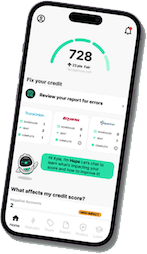
Although a 545 credit score can feel discouraging, but it’s not the end of the road. This score signals poor credit, which can affect how lenders, landlords, and even service providers see you. It may also limit your ability to qualify for auto loans or the best personal loans with favorable loan terms. In this guide, we’ll break down what a 545 credit score really means, why it matters, and practical steps you can take to start improving it.

Understanding a 545 Credit Score
A 545 is considered a low credit score, placing it in the poor range on the FICO score scale used by most lenders. Credit scoring models use factors like history of payments, credit utilization, and account age to generate this number. While the average credit score hovers around 700, roughly 15 to 20 percent of borrowers have a score in this range, making it relatively common. Knowing where your credit stands is the first step toward improving your financial profile.
Is 545 a Bad Credit Score?
Having a score of 545 can impact your finances in practical ways. You may face higher interest rates on personal loans, credit cards, or mortgages, and qualifying for credit or premium financial products can be more difficult. Some landlords or utility providers might require security deposits, and at this level, you may only be eligible for a secured card or a credit builder loan. Improving your score can help you move closer to a good credit score, unlocking better opportunities.
Why Your Credit Score Is 545
A 545 credit score is considered poor and can make accessing credit more challenging. Knowing what drives your score can help you make smarter financial decisions and start improving it.
Payment History
Payment history is an important factor in your credit score, and late payments or missed bills shape your overall credit history over time. Consistent on-time payments are crucial to improving a 545 score.
High Credit Card Balances & Debt
Carrying high balances relative to your credit limit or maxing out credit cards can hurt your score. High balances increase your credit utilization and may concern credit card issuers, which can affect your available credit and the overall cost of borrowing.
Limited Credit History or Credit Mix
Having only a few credit accounts, limited authorized user accounts, or multiple credit inquiries at once can lower your score. A lack of credit mix can make it harder to borrow money or qualify for loans with favorable terms, as many lenders prefer to see diverse accounts.
Other Contributing Factors
Bankruptcies, collections, payday loans, annual fees, and high interest loans can all weigh heavily on your credit score, limiting access to credit. Inquiries from multiple lenders in a short period can also signal risk to creditors.
How a 545 Credit Score Affects Your Financial Life
A 545 can have a real impact on your financial options. You may face higher interest rates on personal loans, credit cards, and mortgages, limited access to premium credit options, and extra security deposits for rentals or checking accounts. Most creditors will scrutinize your applications more closely, making approvals harder to secure.
Steps to Improve a 545 Credit Score
Improving a 545 credit score takes consistent effort and smart financial habits. Here are practical steps to start rebuilding your credit and boosting your score.
Make Timely Payments
Set up automatic payments or reminders to ensure all of your bills are paid on time. Consistently making timely payments is the fastest way to build a positive payment history and show lenders you’re a responsible borrower. Over time, this habit can directly improve your credit score and open access to better credit options.
Reduce Credit Card Debt & Maintain Low Balances
Pay down balances and aim to keep credit utilization under 30 percent. Lower balances on each credit card account and improve your credit to unlock access to better products, like premium credit cards or personal loans.
Use Secured Credit Cards or Credit Builder Loans
Secured credit cards or credit builder loans are tools that require a cash deposit to build credit when other options are limited. Using them responsibly and making on-time payments boosts your credit profile. If you have difficulty qualifying, a co-signer (like a trusted family member) can help you get approved while building your credit responsibly.
Avoid Multiple Hard Inquiries at Once
Applying selectively helps ensure you are approved for credit without lowering your score through too many inquiries. Multiple inquiries in a short period can lower your score and signal risk to creditors, which may make it harder to qualify for new credit or secure the best rates. Planning your applications carefully gives you more control over your credit growth.
Monitor Your Credit Reports Regularly
Check your credit reports from major credit bureaus often. Monitoring your credit files can also help spot errors that could affect applications for insurance or other financial options. Staying on top of your report allows you to correct mistakes quickly and track your progress as your credit improves, helping you make smarter financial decisions.
Consider Small Loans or Credit Union Products
Small personal loans may include an origination fee, but making timely payments can still benefit your score. Compare offers from alternative lenders or credit unions to find the loan that fits your needs best. Even modest monthly payments contribute to a stronger profile and can help you demonstrate responsible borrowing, which may increase your access to better financial options over time.
How Long It Takes to Improve a 545 Credit Score
Improving a 545 credit score is a gradual process that typically takes several months to a few years, depending on your financial habits and the steps you take. Consistently making timely payments, lowering credit card balances, and responsibly using credit are key to moving from poor credit toward fair or good credit. Progress may feel slow at first, but even small, steady improvements—like reducing debt, addressing errors on your credit report, or adding positive accounts—can gradually boost your score. Remember, scoring models weigh factors like payment record, credit utilization, and account age, so patience and consistency are essential to seeing lasting results.

TL;DR: Turning a 545 Score Into an Opportunity
A 545 credit score may feel limiting, but it’s also an opportunity to take control of your financial future. By focusing on timely payments, reducing balances, and using secured cards or credit builder loans, you can steadily improve your score and increase your chances of qualifying for the best rates on loans and credit cards. Tools like Dovly AI can help you track your progress, monitor your credit report, and build a stronger credit record, making the path to good credit more manageable.

Frequently Asked Questions
What can I do with a 545 credit score?
Can you buy a house with a 545 score?
Is a 545 credit score good?
How many people have a 550 credit score?


COMPANY
CREDIT HELP
LOCAL PAGES
COMPARE OPTIONS
© 2026 Dovly, Inc. All rights reserved.