Can You Get a VA Loan with Bad Credit?

Even with bad credit, veterans and active-duty service members can qualify for a VA home loan, thanks to flexible approval standards and the VA’s guarantee. This guide explains what lenders look for beyond your credit score, how to improve your credit, and steps to protect it after getting your loan. Tools like Dovly AI can help you track your credit, correct errors, and strengthen your profile, making it easier to secure your VA loan and take full advantage of your earned benefits.
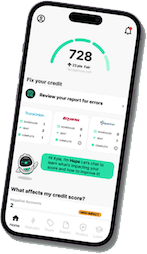
If you’ve ever opened your credit app, seen your score, and thought, “There’s no way I’ll ever get approved for a home loan,” you’re definitely not alone.
For many active-duty service members and veterans, bad credit can feel like a locked door standing between them and homeownership. But here’s the good news: you can get a VA loan with bad credit — and it’s probably easier than you think. The VA doesn’t actually have a minimum credit score requirement.
The VA home loan program was created to help those who’ve served our country, not penalize them for financial setbacks. Life happens — maybe you’ve dealt with medical expenses, deployment-related costs, or just a rough financial patch. None of that means your dream of owning a home has to end.
In this guide, we’ll break down how VA loans work, what lenders look at beyond your credit score, and what steps you can take to strengthen your chances of approval — even if your credit could use some rebuilding.

Yes, You Can Get a VA Loan with Bad Credit
Let’s start with the short answer: yes, you can.
The Department of Veterans Affairs doesn’t set a minimum credit score requirement. Instead, each lender decides what credit standards they’ll use. That means your approval depends on your overall financial profile, not just one number.
Most lenders like to see a score around 620, but some are comfortable going as low as 580 if other factors look strong — like steady income or a history of on-time payments. That flexibility is one of the best parts of the VA loan program. It’s helped thousands of veterans qualify even after facing credit score challenges.
And if your credit score is below 580, it’s not the end of the road. You can take time to rebuild by paying bills on time, lowering your credit card balances, and connecting with lenders who specialize in working with veterans rebuilding their credit.
How VA Loans Work — and Why They’re So Flexible About Credit
VA loans are different from other mortgage programs, and that’s what makes them such a powerful benefit. The VA doesn’t lend money directly. Instead, it guarantees a portion of each loan. That guarantee gives private lenders extra protection if a borrower defaults, allowing them to offer better terms and more lenient guidelines like no minimum credit score.
That government backing gives you a real advantage. It makes lenders more willing to work with you, even if your credit score isn’t perfect. Plus, VA loans come with several major benefits that make buying a home far more affordable.
Here’s what sets them apart:
• No required down payment
• No private mortgage insurance (PMI)
• No minimum credit score requirement
• Lower interest rates compared to most conventional loans
• No prepayment penalty for paying off early
• Limited closing costs, with sellers sometimes allowed to cover part of them
So even if your credit history shows a few rough patches, the VA’s backing gives lenders confidence that you’re still a solid borrower.
Why It’s Often Easier to Qualify for a VA Loan
The VA loan program was constructed with the daily grind of military life as a top priority. Deployments, constant relocations & the occasional financial curveball can make it a real challenge to have that pristine credit record, which is why VA lenders take a more nuanced look at your financial situation .
Even if your credit history isn’t exactly a clean slate, lenders will be on the lookout for other signs of being a financially responsible person, such as
• A recent trend of making positive changes to your credit
• Consistent on-time payments – that’s what really matters
• A stable job or a steady income from the military
• A manageable debt-to-income ratio that doesn’t look too crazy
• You’ve got some savings stashed away or other financial cushions in place
In a nutshell, lenders want to get a fuller picture of who you are right now – not just what your credit report looked like a few years back.
How Bad Credit Affects Your Loan Approval
Having a bad credit score might not kill your chances of getting a VA loan, but if you have one its probably going to make some key aspects of the deal a bit steeper
Heres how that might pan out:
- You might need to plan on extra paperwork – proof that you’re pulling in a regular income, for instance, or some evidence that you’ve turned your financial life around lately.
- Your interest rate on the loan might be a little higher, just so the bank has some extra protection.
- The underwriting process may take a bit longer while they take a closer look at your financial history.
Now, even with all those hoops to jump through, VA home loans are still one of the most lenient and flexible mortgage deals out there – often easier to qualify for than FHA or conventional loans even.
What Lenders Look at Beyond a Bad Credit Score
Your credit tells only part of your story. Lenders look at your entire financial picture when reviewing a VA loan application. They care more about your current progress and financial habits than past mistakes.
Here’s what really matters to them:
• Payment history: Are you paying your credit card bills on time now? A recent streak of consistent payments can outweigh older late ones.
• Debt-to-income ratio (DTI): Lenders generally prefer DTI under 41%, but they may go higher if you have compensating strengths like strong savings or reliable income.
• Credit utilization: Keeping your balances below 30% of your credit limit shows responsible spending habits.
• Employment stability: Whether you’re in civilian work or active duty, a steady job and consistent income make a big difference.
• Savings and reserves: Even though there’s no down payment required, having some savings set aside shows preparedness in the event of financial hardship.
• Rental or mortgage history: A record of paying rent or mortgage on time demonstrates you can handle a housing payment responsibly.

The Truth About Credit Scores and VA Loans
Many people assume that poor credit means they can’t qualify for a VA loan. But that’s not true. The VA doesn’t set a minimum credit score — your eligibility depends on your broader financial health.
Your credit score is simply a snapshot of your recent habits, not a full reflection of your character or reliability. The VA loan program was built to help veterans and service members overcome financial setbacks — whether caused by deployments, medical debt, or life events beyond your control.
Even if your credit report shows late payments or collections, what matters most is progress. Lenders want to see that you’re turning things around:
• If you’ve had late payments, show a consistent stretch of on-time payments now.
• If you’ve faced bankruptcy or foreclosure, you can often re-qualify after a waiting period (as little as two years).
• If your debt’s been high, start paying it down strategically.
The VA and its partner lenders don’t focus on punishing past mistakes — they care about how you’re managing your finances today.
Another major benefit: VA loans often come with lower interest rates than conventional loans. That means even small improvements in your lower credit score can translate into meaningful savings every month and thousands of dollars over the life of your mortgage.
How Improving Your Bad Credit Score Can Strengthen Your VA Loan Offer
You don’t need perfect credit to get a VA home loan, but a lower credit score affects the loan terms.
When lenders review your application, they look at the overall risk profile. A higher credit score often means:
• A lower va loan interest rate
• A larger approved loan amount
• A smaller monthly payment
Even modest improvements — like reducing debt or building a pattern of timely payments — can make a noticeable difference. You don’t have to aim for a flawless credit score. Steady, consistent progress is what lenders want to see.
Steps to Rebuild Your Credit Before You Reapply
If your credit isn’t where you want it to be, don’t panic. You can rebuild a poor credit score, and it often happens faster than people think. Consistency is key.
Here’s a practical roadmap to get started:
• Pay every bill on time — even a few months of timely minimum payments can boost your poor credit score.
• Keep balances under 30% of your credit limits. Under 10% is even better.
• Avoid applying for new credit unless it’s absolutely necessary.
• Check your credit reports regularly — you can get one free each year from all three bureaus.
• Dispute any errors or outdated information that could be lowering your credit score.
• If needed, use a secured credit card to establish positive payment history.
These small steps can add up quickly, helping you strengthen your financial profile and improve your chances of approval for your next VA-backed mortgage.
Keeping Your Credit Score Healthy After You’re Approved
Getting approved for your VA loan is a huge achievement, but your credit journey doesn’t end there. Maintaining your credit score after closing helps you protect your home investment and keeps your options open for future refinancing.
Here’s how to keep things on track:
• Always pay your mortgage on time — it’s one of the biggest factors in your credit score.
• Keep older accounts open to maintain a long credit history.
• Be mindful about spending — resist the temptation to overextend on home upgrades.
• Build an emergency fund to help you stay current if you face a financial hardship.
• Keep monitoring your credit regularly so you can catch issues early.
These habits not only protect your credit score but also position you to refinance at a lower rate later or qualify for additional financial opportunities down the road.
Common Myths About VA Loans and Bad Credit
Myth 1: You need a 700+ or higher credit score.
Not true. Many VA lenders work with scores as low as 580, depending on your overall financial picture.
Myth 2: Bad credit automatically disqualifies you.
False. VA guidelines are flexible and designed to help, not exclude, service members.
Myth 3: VA loans are only for borrowers with higher credit scores.
Wrong. VA loans were specifically created to help veterans rebuild financial stability.
Myth 4: You need a big down payment.
Nope. Most VA loans require no down payment at all and don’t charge private mortgage insurance.
Myth 5: You can only use your VA loan once.
Not true. You can use your VA benefits multiple times as long as you meet the eligibility requirements.

The Bottom Line: Bad Credit Doesn’t Close the Door on Your VA Loan
If you’re a veteran or active-duty service member with bad credit, remember this: your story isn’t over. The VA loan program was designed to help you move forward — not to hold your past against you. With no minimum credit score, your low credit score doesn’t automatically disqualify you.
Focus on what you can control: pay your bills on time, lower your debt, and keep your credit report clean. Every positive step you take today moves you closer to the home you’ve worked so hard for.
At Dovly, we’re proud to help veterans and service members take control of their credit. Our automated system works directly with multiple credit bureaus, tracks your progress, and helps you strengthen your credit profile so you can move forward with confidence.
Start improving your low credit score with Dovly today — and take your next step toward homeownership with confidence.
Frequently Asked Questions
Can I get a VA loan with a 500 credit score?
What disqualifies you for a VA loan?
How can I get a VA loan with bad credit?
Is it super tough to get a VA loan?


COMPANY
CREDIT HELP
LOCAL PAGES
COMPARE OPTIONS
© 2026 Dovly, Inc. All rights reserved.