How to Get a VA Loan with Bad Credit

Even with bad credit, veterans and active-duty service members can qualify for a VA home loan, thanks to flexible approval standards and the VA’s guarantee. This guide explains what lenders look for beyond your credit score, how to improve your credit, and steps to protect it after getting your loan. Tools like Dovly AI can help you track your credit, correct errors, and strengthen your profile, making it easier to secure your VA loan and take full advantage of your earned benefits.
If you’ve served in the United States military, you’ve earned benefits that make a huge difference — and few are as powerful as the VA home loan. This unique program, backed by the Department of Veterans Affairs, helps veterans and active-duty service members buy homes with no down payment, no private mortgage insurance, and flexible approval standards.
But what if you have bad credit or a low credit score? Life happens — maybe a deployment, medical bills, or another financial hardship made things tough. The good news is that you can still qualify for a VA loan even with poor credit.
The VA home loan program was created for real people who’ve served, not for those with flawless finances. You don’t need a perfect credit score — you just need to understand how the process works, what lenders look for, and how to show that you’re ready to take this next step.
Let’s break down how to get a VA loan even with bad credit, improve your chances of approval, and protect your credit score once you’ve got the keys.

What Lenders Look at Beyond Your Credit Score
Your credit score is important, but lenders see more than just a number. When you apply for a VA home loan, private lenders consider several factors to decide if you’re financially ready. The VA loan program was designed with flexible credit requirements, giving veterans and active-duty service members the opportunity to qualify even when their credit scores aren’t perfect.
1. Payment History
Your payment history is the biggest factor in your credit profile. Lenders want to see that you’ve been making payments on time — even if you’ve missed a few in the past. Showing a solid recent track record of on-time credit card bills, rent, or utilities demonstrates responsibility and can offset a bad credit score.
2. Debt-to-Income Ratio (DTI)
Your DTI ratio compares your monthly debts to your gross monthly income. A lower DTI signals that you can handle your monthly payments comfortably. Lenders generally look for a DTI under 41%, but VA loans can be more forgiving if you have other strengths in your application.
3. Credit Utilization and Balances
Lenders check your credit utilization ratio — how much of your available credit you’re using. Keeping credit balances below 30% of your total credit limit helps, and under 10% is even better. This single step can make a major difference for borrowers with bad credit scores.
4. Employment and Income Stability
If your income is steady, lenders notice. Having consistent work — whether through military service or civilian employment — helps build trust that you’ll make your mortgage monthly payments on time.
5. Savings and Reserves
Even though a VA loan doesn’t require a minimum down payment, savings still help. Having enough to cover VA closing costs or a few months of expenses shows financial readiness.
6. Rental or Mortgage Payment History
If you’ve been paying rent on time, document it. A strong rental history can carry as much weight as a credit score — proving you can manage a housing payment responsibly.
Lenders review your overall financial situation, not just your credit score. The VA’s eligibility requirements are flexible for a reason — to help veterans and active-duty service members become homeowners, even if their credit report isn’t spotless.
How to Improve Your Chances with Bad Credit
If your credit score isn’t where you want it, don’t give up. The VA home loan program gives you room to rebuild while still moving forward. Here’s how to put yourself in the strongest position to qualify for a VA loan with bad credit.
1. Pay Every Bill on Time
This is the number one way to improve your credit. On-time payments on all your credit accounts — from utilities to credit card bills — show reliability. Even a few months of consistency can offset a lower credit score affect and boost your standing with lenders.
2. Reduce Your Debt and Balances
High revolving debt can drag down your credit scores fast. Start by paying down balances to improve your credit utilization ratio. Lowering your utilization can quickly raise your credit score and make your application more appealing to private lenders.
3. Avoid Taking on New Debt
Applying for new credit accounts or loans right before applying for a mortgage can temporarily hurt your credit score. Avoid new inquiries until your VA home loan is approved.
4. Strengthen Your Financial Documentation
When you have poor credit, strong documentation helps prove that you’re responsible. Bring pay stubs, W-2s, tax returns, and proof of on-time rent payments. Lenders reviewing your VA-backed loan application will appreciate seeing stability and follow-through.
5. Compare Multiple VA Lenders
Each lender sets its own minimum credit score requirement. Some will work with a minimum credit score of 580, while others prefer 620 or higher. Shopping around helps you find private lenders who are comfortable with your financial profile — and may even offer better VA loan interest rates.
Because there’s no official VA minimum credit score, each lender sets their own standards. Knowing your lender’s minimum credit score upfront helps you focus your energy where you’re most likely to qualify.
6. Add a Co-Borrower or Co-Signer
If your spouse or family member has a higher credit score, applying together can balance your financial situation and improve your chances of approval. This can also help secure a better rate and lower closing costs.
7. Consider Compensating Factors
Even with bad credit, strong financial habits — like a low debt-to-income ratio, long employment history, or solid savings — can convince lenders to say yes. These compensating factors are one reason VA loans stand out among conventional loans.
How the VA Loan Program Helps Borrowers with Bad Credit
The VA home loan program is one of the most forgiving in the country. While the VA doesn’t publish a specific minimum credit score, most VA loans are approved with scores starting around 580, depending on the lender’s internal policies. The Department of Veterans Affairs guarantees a portion of each VA loan, which reduces the risk for private lenders. That VA loan guarantee encourages lenders to approve borrowers who might be turned down elsewhere.
This guarantee, along with flexible eligibility requirements, is what allows:
- No required minimum down payment
- No private mortgage insurance (PMI)
- Lower interest rates than most conventional loans
- Flexible credit requirements
Even if you’ve had financial hardship or poor credit in the past, the VA’s protection gives you a real opportunity to move forward and secure a VA loan.

How to Protect and Improve Your Credit After You Get the Loan
Your bad credit score doesn’t have to be bad for ever. Once you’ve closed on your VA home loan, the best thing you can do is keep your credit score trending upward. Every positive action from here strengthens your credit history and prepares you for long-term success.
1. Make Every Mortgage Payment on Time
Your monthly payment is now the most important part of your credit report. Paying your mortgage on time every month helps you build a strong payment history and raise your credit score over time.
2. Keep Other Accounts in Good Standing
Continue making all other payments — like credit card bills or car loans — on time. Lenders like to see overall consistency across your entire credit history.
3. Keep Your Credit Utilization Low
Avoid maxing out credit cards or personal lines. Maintaining a low utilization ratio shows lenders and the major credit bureaus that you’re in control.
4. Avoid Sudden Credit Changes
Try not to close old accounts or open new ones too quickly. Both can impact your total credit limit and shorten your credit history temporarily.
5. Review Your Credit Reports Regularly
You can request a free credit report from each of the three major credit bureaus — Experian, Equifax, and TransUnion — once every year. Use this to monitor progress and catch errors. If you find inaccuracies, dispute them quickly or let Dovly handle it automatically through our credit repair platform.
The Long-Term Benefits of Building Credit with a VA Loan
A VA home loan doesn’t just help you buy a house — it helps you rebuild your credit for the long haul. Each on-time monthly payment adds positive history to your credit file.
Over time, you’ll see your poor credit scores improve, opening the door to refinancing your VA loan for even lower VA loan interest rates or better terms. Plus, because there’s no mortgage insurance required, you’ll save money every month and put more toward your future.
If you keep this momentum, a higher credit score could help you qualify for new financial opportunities — from car loans to personal lines of credit — with more favorable terms.

The Bottom Line: Bad Credit Doesn’t Mean You Can’t Buy a Home
Getting a loan with bad credit might feel intimidating, but the VA home loan program was built to make homeownership achievable for veterans and active-duty service members. Even with a bad credit score, you can still qualify for a VA loan if you focus on consistency, responsible spending, and documentation.
Remember, you’ve earned this benefit through your military service. The VA loan program is designed to help you get back on track financially — not to punish you for past mistakes.
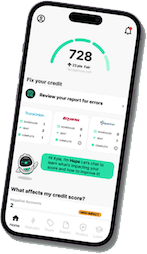
At Dovly, we’re proud to help service members and veterans take control of their credit. Our automated credit system finds and disputes errors with multiple credit bureaus, tracks your progress, and strengthens your profile for major milestones — like securing your VA loan or lowering your VA closing costs through better credit.
👉 Start improving your bad credit with Dovly today, and take the next step toward owning your home with confidence.
Frequently Asked Questions
Can I get a VA loan with a credit score of 500?
How can I get a VA loan with bad credit?
What disqualifies you for a VA loan?
Is it super tough to get a VA loan?


COMPANY
CREDIT HELP
LOCAL PAGES
COMPARE OPTIONS
© 2026 Dovly, Inc. All rights reserved.