Can I Find Out Why My Credit Score Dropped?

If you’ve noticed your credit score drop, it can be alarming—but it’s not always a sign of disaster. Scores fluctuate for many reasons, from higher credit card balances to late payments or changes in your credit limits. This guide explains the common causes behind a score drop, how credit scoring models work, and practical steps to recover with Dovly AI, so you can protect and improve your credit over time.
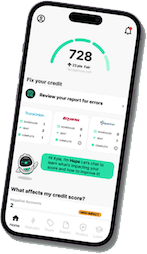
You open your banking app, check your credit score, and—bam—it’s lower than last month. Cue the mild panic. You start wondering, “Why did my credit score drop?”
Your credit score can move for many reasons, and not all of them are bad. The key is figuring out what changed and how to fix it. Sometimes the cause is simple—like a higher utilization—and other times, it’s something sneaky, like when your lender quietly lowers your limit.
Let’s go over the most common reasons for a score drop, what makes up your credit score, how credit scoring models work, and how to rebuild your credit history. By the end, you’ll know how to recover from a lower credit score and stay on top of your credit.

Common Reasons for a Drop
When your credit score shifts, it’s usually due to changes on your credit report. Here’s what may be behind it.
1. High Utilization
Your utilization ratio shows how much of your available credit you’re using. For instance, if your total credit limit is $10,000 and your balance is $3,000, your utilization is 30%.
A high utilization signals heavy borrowing, which can hurt your credit score even if you’ve never missed a payment. Keeping your utilization under 30%—ideally under 10%—helps prevent a dip.
2. Late or Missed Payments
Payment history has the biggest influence on your credit score. Even one late payment can drop a good credit score by dozens of points.
Set up automatic payments or reminders to protect your positive payment history and avoid late or missed payments.
3. Lower Credit Limit
If your lender reduces your credit limit, your available credit shrinks and your utilization jumps—even if you didn’t spend more. This can quickly cause a drop.
4. Closing Old Accounts
Closing a long-held account shortens your credit history and reduces your overall credit limit.Unless a card carries steep annual fees, it’s generally best to keep older credit accounts open.
5. Opening New Credit
Every new account triggers a credit inquiry, which can slightly lower your credit score. Several inquiries in a short time magnify that effect and shorten the average age of your accounts.
6. Rising Balances
Even if you pay on time, large credit card balances reported before the billing date can make your utilization ratio look higher than it really is.
Keeping an eye on your utilization each month can prevent temporary dips caused by reporting timing.
7. Credit Report Errors or Fraud
If your score drops unexpectedly, check your credit report for inaccurate late payments, duplicate entries, or unfamiliar accounts. These may signal reporting errors or identity theft.
8. Changes in Credit Mix
Your credit mix—the balance of revolving credit and installment loans—matters. Paying off your only loan or closing a revolving line can narrow your mix and cause a small dip in your credit score.
How to Find Out Exactly Why Your Score Dropped
If you notice a sudden dip, the good news is you can find out why. Every change in your credit score traces back to your credit report, so start there.
1. Check Your Free Credit Reports
You can request a free credit report from each of the three credit bureaus—Equifax, Experian, and TransUnion—once every 12 months at AnnualCreditReport.com. You can pull all three at once or space them throughout the year to track changes regularly.
2. Compare Credit Reports Side by Side
Each bureau may have slightly different data, since not all lenders report to every bureau. Review your credit reports line by line to spot:
- Late or missed payments you don’t recognize
- Credit limit changes
- New credit inquiries or credit accounts you didn’t open
- Credit card balances that suddenly increased
3. Identify the Culprit
Look for anything new or unusual—like a credit card issuer lowered limit, a newly opened account, or a higher credit utilization ratio. These small details often explain a credit score drop, especially when several credit accounts changed at once.
4. Dispute Errors Immediately
If you find a mistake, contact the bureaus online or by mail with supporting documents. Once verified, the bureau will correct the error and notify lenders.
For an easier path, Dovly can automate this process and help you fix inaccurate information fast.

What Makes Up a Credit Score
Understanding how your credit score is calculated helps identify what changed.
Payment History (35%)
Your payment history shows how reliably you pay bills. Even one late payment or missed payment can lower your credit score. Setting up automatic payments helps maintain a positive history and avoid mistakes that lead to a credit score drop.
Utilization (30%)
Your credit utilization ratio measures how much of your credit limit you’re using. For example, a $3,000 balance on a $10,000 limit equals 30% utilization. A higher utilization can lower your credit score, so aim to keep utilization under 30%—or even 10% for a stronger profile.
Length of Credit History (15%)
The longer your credit history, the better. Closing your oldest credit card account or opening multiple new credit accounts can shorten your average age and slightly lower your credit score. Keeping long-term accounts open helps maintain stability.
Credit Mix (10%)
Your credit mix refers to having different types of credit accounts, such as revolving credit (credit cards) and installment loans. A balanced mix shows lenders you can manage both short- and long-term debt responsibly.
New Credit (10%)
Each new credit card account or loan triggers a credit inquiry, which can temporarily reduce your credit score. Too many inquiries in a short period may signal risk, so only apply for new credit when needed.
How to Improve a Dropped Credit Score
A lower credit score isn’t permanent. With the right habits, you can recover quickly.
1. Pay on Time—Every Time
Consistent, on-time payments strengthen your payment history. Use automatic payments to avoid future missed payments and maintain a positive history.
2. Lower Your Credit Utilization Ratio
If you’re carrying high utilization, pay down balances or make mid-cycle debt payments. You can also ask your lender for a higher credit limit to improve your credit utilization ratio.
3. Review Credit Reports Regularly
Check your credit report at least quarterly. Catching issues early prevents bigger problems later and helps you build a cleaner credit history.
4. Keep Older Accounts
Long-standing credit accounts strengthen your credit history and increase your available credit, helping maintain a healthy credit utilization ratio.
5. Try a Secured Credit Card
A secured credit card helps rebuild damaged credit. Responsible use is reported to all three credit bureaus, helping strengthen your credit history over time.
6. Diversify Credit
A mix of revolving credit and installment loans boosts your credit mix. If you lack one type, add it gradually—not all at once.
7. Limit New Applications
Each credit inquiry can slightly reduce your credit score, so apply only when necessary.
8. Pay Debts Consistently
Regular debt payments lower balances, improve your credit utilization ratio, and strengthen your credit score over time.
How Long It Takes to Recover from a Credit Score Drop
The timeline for recovery depends on why your credit score fell. Some drops rebound in a month or two—others take longer.
Quick Recoveries (1–3 Months)
Certain factors heal quickly once corrected, such as:
- High credit utilization ratio (drops back after balances post lower)
- Credit inquiries (fade after a few months)
- Lower credit limit (recover by paying down balances and reducing overall utilization)
These are temporary and can improve as soon as your next statement reports to the credit bureaus.
Moderate Recoveries (3–12 Months)
If you opened several new credit card accounts or closed long-standing ones, you may need a few months of consistent, positive activity—like on-time debt payments and lower balances—to offset the impact.
Long-Term Recoveries (12+ Months)
Late payments, missed payments, or accounts in collections take longer to recover from. Negative marks can remain on your credit history for up to seven years, but their effect lessens as you build new positive behavior.
Consistency is the secret. Every on-time payment, lowered credit utilization ratio, and error removed helps your credit score climb back up.

Don’t Wait—Find Out Why Your Score Dropped Today
A credit score drop isn’t the end—it’s feedback. By monitoring your credit report, keeping balances low, and maintaining solid payment history, you can pinpoint the cause and fix it.
Whether your credit card issuer lowered your limit, a late payment slipped through, or your credit utilization ratio spiked, small steps make big improvements.
At Dovly AI, we help you correct errors, track progress, and rebuild your credit history automatically—so you can reach a stronger credit score faster.
Check your credit regularly with tools like Dovly AI to stay ahead of changes and protect your financial health.

Frequently Asked Questions
Why did my credit score drop even though nothing happened?
What is the 2-2-2 credit rule?
How do I see what’s bringing my score down?
Can Credit Karma tell me why my score dropped?


COMPANY
CREDIT HELP
LOCAL PAGES
COMPARE OPTIONS
© 2026 Dovly, Inc. All rights reserved.