What Credit Score Do I Need for a VA Loan?

VA loans make homeownership more accessible for veterans and active-duty service members, even if your credit isn’t perfect. While the Department of Veterans Affairs doesn’t set a minimum credit score, most lenders look for scores around 620—and some go lower if other factors are strong. This guide explains how VA loan credit requirements work, what lenders consider beyond your score, and how improving your credit with tools like Dovly AI can help you qualify for better rates, fewer fees, and long-term savings.
If you’ve served in the military—or are serving right now—you’ve earned some incredible benefits, and one of the best is the VA loan. It’s an affordable, flexible way to buy a home with perks that are hard to beat: no required minimum down payment, no monthly mortgage insurance, and access to competitive interest rates.
Still, one of the most common questions veterans and active-duty service members ask is, “What is the minimum credit score for a VA loan?”
The truth is, getting a VA loan is not as complicated as it might seem. In this guide, we’ll break down what lenders really look for, how credit score requirements work for VA loans, and what you can start doing today to improve your approval odds for a VA-backed mortgage.

VA Loan Credit Requirements and Minimum Credit Scores
When it comes to credit, VA loan requirements are more flexible than most mortgage programs. Understanding how these rules work—and why they vary between lenders—can help you plan ahead and increase your chances of approval for your VA loan.
The VA Doesn’t Set a Minimum Credit Score
Here’s something many borrowers don’t realize: the Department of Veterans Affairs itself doesn’t set a minimum credit score requirement for VA loans.
Instead, the VA gives lenders freedom to establish their own standards. That means one lender may approve you while another may not—depending on their internal VA loan requirements and overall risk tolerance.
This flexibility works in your favor. Borrowers with lower credit scores or limited credit history often have more opportunities with a VA loan than they would through FHA or conventional loans.
Typical Credit Score Minimums Among VA Lenders
Although the VA doesn’t publish an official minimum, most VA lenders prefer to see at least a 620 credit score for approval for VA loans.
That’s not a strict rule, though. Some will consider applicants with bad credit scores as low as 580—especially if other factors, such as stable income, consistent on-time payments, or a low debt-to-income ratio, help offset the risk.
Your VA loan credit score isn’t the only thing under review. Lenders also evaluate your gross monthly income, employment history, and overall credit report to understand your financial habits before making a decision.
Why Each Lender Has Its Own Standards
The VA guarantees a portion of every VA loan but doesn’t lend the funds directly. Because of that, mortgage lenders and credit unions create their own minimum credit scores and guidelines—known as overlays—to protect against potential losses.
That’s why one company might deny your VA loan application while another approves it. Comparing multiple lenders is the best way to find the right fit, and doing so can also help you secure a better interest rate or more favorable terms.
Understanding How VA Loans Work
A VA-backed mortgage is guaranteed by the U.S. Department of Veterans Affairs, which provides a government guarantee to private mortgage lenders. This guarantee reduces risk and makes lenders more confident approving borrowers who might not qualify for a conventional loan.
VA loans are open to veterans, service members, and eligible National Guard or Reserve members buying a primary residence. They’re not for vacation homes or investment properties.
In addition, all homes must meet the VA’s Minimum Property Requirements (MPRs)—ensuring the property is safe, sanitary, and structurally sound.
Unlike FHA loans or conventional mortgages, a VA loan typically doesn’t require a minimum down payment or ongoing mortgage insurance. Instead, there’s a one-time VA loan funding fee, sometimes called an upfront funding fee, which can be rolled into the loan amount.

What Lenders Consider Beyond Your Credit Score
A strong credit score helps your VA loan application, but it’s not the only factor that determines approval. Lenders look at the full picture of your financial health, weighing multiple details to see how well you manage money and whether you can handle a mortgage responsibly.
Key Factors Lenders Evaluate
- Payment History: Lenders want to see consistent, on-time payments on all accounts. A few missed payments can hurt your chances, while a clean record builds confidence.
- Debt-to-Income Ratio (DTI): Your DTI compares your monthly debts to your gross monthly income. A lower ratio shows you have room to take on new debt safely.
- Credit Utilization Ratio: This measures how much of your available credit you’re using. Keeping it under 30% demonstrates responsible borrowing.
- Credit History: The longer your credit history, the better. It shows a pattern of how you manage revolving credit and loans over time.
- Employment Stability: Steady, long-term employment or reliable self-employment income is a strong sign of financial stability.
- Savings or Reserves: Lenders appreciate seeing emergency funds or extra savings since they help offset potential risk.
Compensating Factors That Strengthen Your Application
If your credit score falls below a lender’s preferred credit score minimums, compensating factors can help balance the risk. These are positive signs of financial responsibility, such as:
- A low debt-to-income ratio
- Consistent income growth or a solid employment history
- Substantial cash reserves or retirement funds
- A proven record of on-time rent or mortgage payments
Each of these elements adds weight to your overall application—even if your credit score requirements aren’t fully met.
Improving Your Credit Score Before Applying for a VA Loan
If you’ve got a credit score thats not quite what youd hoped it would be, there are some simple ways to give it a bit of a boost before you even start thinking about applying for a VA backed mortgage. And the good news is that even a small improvement can make a big difference when it comes to getting approved for that VA loan and what interest rates you’ll qualify for.
Building a Strong Credit Profile – Practical Steps
- Pay All Your Bills On Time – Missing a payment can leave a nasty mark on your credit that can linger for a long time. Setting up automatic payments or putting a reminder on your phone is a good way to make sure you never miss a due date.
- Sort Your Debt Out – One of the fastest ways to get your credit score up is to reduce how much credit you’re using. Try to keep your balances under 30% of what you can borrow – and if you really want to get your score up try to keep it under 10%.
- Get a Look at Your Credit Reports – You can get a free credit report from each of the three main credit agencies – Equifax, Experian and TransUnion – here’s the website to use AnnualCreditReport.com. Go through them and make sure nothing is wrong – especially old information that’s no longer relevant.
- Fix Any Mistakes You Find – If you spot some errors on your report – like incorrect payments or duplicate accounts – these could be dragging your credit score down. Get them fixed right away to stop them doing any more damage.
- Hold Off On Opening New Credit Accounts – Every time you apply for credit, it’s going to show up on your credit report and it can knock your score down a bit. So its best to wait until you’ve got your VA loan sorted before you start applying for new credit cards or loans.
Why Bother Improving Your Credit Score
If your credit score goes from a 600 to a 640 that can actually make a big difference – you might get a lower interest rate and save thousands over the life of your VA loan.
The bottom line is that building up your credit score for a VA loan is all about making a few simple changes to the way you manage your credit. Just remember to make your payments on time, keep your debt under control and use your credit sensibly. Every month you stick to this plan will bring you closer to getting the home you want and a credit score that the lenders will be happy with.

The Bottom Line: You Don’t Need Perfect Credit
Qualifying for a VA loan doesn’t take a perfect credit score—it takes a little know-how and a plan. When you understand how the process works and make a few smart moves, you can put yourself in a great position to buy your dream home.
Even if your credit score isn’t ideal right now, don’t count yourself out. VA lenders are often more flexible than traditional mortgage programs. A few months of steady, on-time payments, paying down balances, and cleaning up your credit report can make a big difference—and bring homeownership within reach.
If you’re a veteran, active-duty service member, or part of the National Guard, improving your credit score before applying can open the door to better rates, fewer closing costs, and long-term savings.
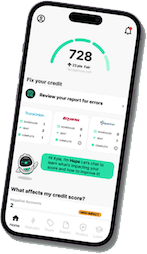
At Dovly, we’re proud to help service members and veterans take charge of their financial future. Our automated credit repair system finds and disputes errors with the three major credit bureaus, helps you track your progress, and builds the strong financial foundation you need for major milestones—like your VA loan approval.
👉 Start improving your credit with Dovly AI today, and take the next step toward homeownership with confidence.

Frequently Asked Questions
What disqualifies you for a VA loan?
Is it super tough to get a VA loan?
How can I get a VA loan with bad credit?
Can I get a VA loan with a credit score of 500?


COMPANY
CREDIT HELP
LOCAL PAGES
COMPARE OPTIONS
© 2026 Dovly, Inc. All rights reserved.