535 Credit Score: What It Means & How to Improve It

A 535 credit score falls in the very poor range, but it’s not a dead end. It simply means lenders see you as higher risk right now—but with consistent payments, lower debt, and smart credit habits, you can turn things around. This guide explains what a 535 credit score means, how it impacts your financial life, and how tools like Dovly AI can help you repair and rebuild your credit for a stronger financial future.
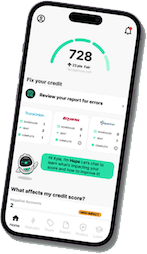
A 535 credit score puts you in the very poor range, but it’s not the end of the road. Understanding why your score is low and what you can do to improve it is key. This guide breaks down what a 535 credit score means, how the credit bureaus calculate it, and how to start building better credit today.

Is 535 a bad credit score?
A 535 is considered a very poor credit score, putting you well below the average credit score. Only about 16% of borrowers have a score this low on the FICO score range, so you’re not alone. But it does come with real consequences. With a score this low, you could face extremely high interest rates on personal loans, limited access to credit cards or other financial products, higher security deposits for rentals or utilities, and even potential denial for small loans or monthly subscriptions.
In practical terms, you might only qualify for payday loans or secured cards, and lenders will often scrutinize your repayment history and loan amounts carefully. While a 535 credit score isn’t permanent, understanding how it affects your financial life is the first step toward improving it.
Why Your Credit Score Is 535
Think of your own credit score as a report card for your money habits and a 535 means there are some areas that need improvement. Here is why your score might be low:
Poor Payment History
Late payments, missed bills, or even a short streak of timely payments can have a big impact. Payment history makes up the largest portion of your credit score, so skipping a few payments or racking up late fees can really drag it down.
High Credit Card Balances & Debt
Carrying high credit card or loan balances near your credit limit can hurt your score, even if you pay on time. High balances increase your credit utilization, signaling your credit card company that you might be relying too heavily on credit.
Limited Credit History or Credit File Issues
Having only a few credit card accounts or opening multiple credit accounts in a short period can lower your score. A thin credit file and a lack of credit history also make it harder for lenders to assess your reliability.
Other Contributing Factors
Bankruptcies, collections, payday loans, and hard inquiries from multiple lenders can all weigh heavily on a low credit score. Even small late fees or repeated borrowing for extra money can add up over time.
How a 535 Credit Score Affects Your Financial Life
A 535 credit score doesn’t just sit on your report. It affects the way lenders, landlords, and service providers see you. Here is what it can mean in real life:
- Higher interest rates on personal loans or credit cards, meaning more money spent on repayment.
- Limited access to good credit cards or loans—you may only qualify for secured or subprime options.
- Difficulty renting apartments or qualifying for other financial products, like small loans or monthly subscriptions.
- Extra security deposits may be required by landlords, utilities, or credit unions.
Even with a low credit score, understanding these consequences helps you plan smarter and start improving.

Steps to Improve a 535 Credit Score
Even with a 535 score, there are clear ways to start rebuilding your credit. Here’s how:
Make Timely Payments
Set up reminders or automatic payments to ensure you never miss a due date. Paying your bills, loans, and credit cards on time consistently is the fastest way to show lenders you’re reliable.
Reduce Credit Card Debt & Maintain Low Balances
Review your monthly budget, pay down high balances, and aim to keep your credit utilization under 30%. Avoid maxing out cards, even if you have multiple accounts, to improve your score steadily.
Use Secured Credit Cards to Build Credit
A secured credit card requires an initial deposit, but using it responsibly can boost your positive payment history. It’s a simple way to build credit when traditional credit cards aren’t an option.
Avoid Multiple New Credit Inquiries at Once
Only apply for new loans or credit cards when necessary. Multiple hard inquiries in a short period can lower your score and signal risk to lenders.
Monitor Your Credit Reports Regularly
Check your credit report often using free tools or Experian Boost. Monitoring helps you spot errors or fraudulent activity before it drags your score down.
Consider Small Loans to Rebuild Credit
Taking a small personal loan from a credit union and repaying it on time can improve your credit mix and show responsible borrowing. Even modest monthly payments count toward boosting your score.
How Long It Takes to Improve a 535 Credit Score
Improving a 535 credit score doesn’t happen overnight. It takes months, not days, and steady effort. By consistently making on-time payments, reducing balances, and responsibly opening new credit accounts, you can start seeing progress in a short period. With patience and smart habits, your score can move from very poor toward fair credit or even a good credit score over time.

TL;DR: Turning a 535 Score Into an Opportunity
A 535 score is very poor but it is also a chance to take control of your financial future. Think of it as a reset moment. Start small by making on-time payments, lowering your debt, and using credit responsibly to build credit. Tools like secured cards, regularly checking your credit report, and using Dovly AI to track your progress can help you improve your payment history and move toward good credit. With a plan and consistent effort, even a low score can become a stepping stone to better financial health.
Frequently Asked Questions
How good is a 535 credit score?
How to fix a 535 credit score?
What can I get with a 535?
Can I buy a house with a 535?


COMPANY
CREDIT HELP
LOCAL PAGES
COMPARE OPTIONS
© 2026 Dovly, Inc. All rights reserved.