Credit Score Dropped 40 Points After Refinance? Here’s Why and How to Bounce Back

Refinancing can feel like a smart financial move until you see your credit score drop. Don’t panic: the dip is temporary. This guide explains why your score falls after refinancing, how long recovery takes, and the steps you can take to bounce back faster. Learn how inquiries, new accounts, and balances affect your credit, plus strategies to protect your score and turn refinancing into a long-term win.
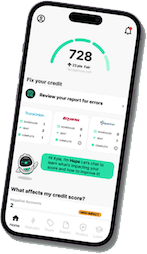
Refinancing feels like a win—you score lower interest rates, free up cash, or restructure your debt to fit your financial goals. But then reality hits: you log into your credit monitoring app and see that your credit score dropped 40 points.
Suddenly, the move that seemed smart feels like a setback. Here’s the good news: this dip is usually temporary. A refinance changes how your credit report looks to the credit bureaus, and the scoring models need time to adjust.
If you’re worried about what happened, you’re not alone—and you’re in the right place. Let’s break down exactly why this happens, how long it lasts, and what you can do to speed up recovery.

Why Your Credit Score Drops After Refinancing
Your credit score isn’t fixed—it shifts as your financial activity changes. Refinancing affects several parts of your credit history, from inquiries to new credit accounts, and these combined factors can cause a noticeable drop in credit score.
Think of your credit score like a snapshot. When you refinance, the snapshot changes, and sometimes it looks worse before it looks better. Let’s break down the specific reasons why.
Hard Inquiries: The First Ding on Your Credit Report
When you apply for a refinance, lenders pull your credit report. This is called a hard inquiry.
- Impact: A single inquiry can shave off 5–10 points from your FICO credit score.
- Rate shopping: Applying with multiple lenders within a short period (usually 14–45 days) may be grouped as one inquiry.
- Short-lived effect: Hard inquiries stay visible for two years but only affect your credit score for about 12 months.
Fun Fact: The average credit score drop after refinancing is 5–20 points. A 40-point drop is higher than usual but still recoverable.
If you saw your credit score dropped 40 points after your refinance, inquiries alone aren’t the whole story—but they’re part of it.
Opening an Account
Refinancing isn’t just a rate change—it creates a brand-new loan. That account opening has ripple effects:
- Lowers your average credit age, making your credit history look younger.
- Adds to the new credit portion of your profile, which can flag short-term risk.
- Starts your payment history from zero, even if you’ve been a perfect payer for years.
This is one of the biggest reasons for the initial credit score drop.
Mini Case Study: Jane refinanced her car loan and saw a 38-point drop. By paying down her credit card balances and keeping her old cards open, her credit score rebounded in 4 months.
Closing the Old Loan
Once your refinance goes through, the old loan is marked as closed. On your credit report, it still shows as part of your history, but active credit accounts have more influence than closed ones.
- Fewer open credit accounts can slightly lower your standing with the credit bureaus.
- Installment loans don’t directly affect credit utilization, but fewer active accounts can influence your credit report.
A Higher Reported Balance
Your new balance can look high right after refinancing. If your old loan was nearly paid down and the new one resets with a fresh balance, your debt-to-credit ratio may spike.
Example: If you had $20,000 left on a mortgage and refinance into a $200,000 loan, your credit report suddenly shows more debt. Even though it’s the same property, your credit score can temporarily reflect this as higher risk.
Protecting Your Credit Score During Refinancing
Understanding why your credit score dips is one thing—but knowing how to protect it while refinancing can make all the difference. Think of it as giving your credit score a little insurance while you make big changes to your credit report.
Shop rates within a short window
Multiple hard inquiries can hurt your credit score. Shopping within 30 days lets the credit bureaus group them, minimizing impact.
Keep older accounts open
Maintains your average account age and longer credit history, even if you’re not actively using them.
Don’t close multiple credit card accounts
Closing several cards at once can reduce available credit limit and spike your credit utilization ratio. Keep them open and use sparingly.
Pay down credit card debt
Lowering credit card balances to be 30% or less of the credit limit helps offset the new loan’s impact on your credit utilization.
Keep a savings account buffer
Having funds set aside prevents missed payments, protecting your payment history, which makes up 35% of your FICO credit score.
Pro Tip: Even a small emergency fund can prevent one missed payment from undoing months of progress.
Why a Refinance Can Still Improve Your Credit in the Long Run
While short-term drops can feel discouraging, refinancing can actually help your credit in the long run.
- Lower interest rates free up cash – Extra funds can pay down credit card debt, improving your credit utilization ratio.
- Smaller payments reduce risk of missed bills – Consistently paying on time strengthens credit history.
- Build a strong record on the new loan – Even though your credit score dips initially, consistent payments gradually improve your credit history.
- Improve your credit mix – Maintaining other credit accounts while managing a new installment loan shows a healthy balance of installment and revolving credit, which supports your FICO score.
- Set yourself up for long-term flexibility – Smaller payments, better rates, and a strong record open doors for future loans or credit opportunities.
Fun Fact: Lenders like to see a mix of credit types. A refinance can help improve your credit profile if managed responsibly.

Bouncing Back: How to Rebound After a Refinance-Related Credit Score Drop
Even if you followed every tip, your credit score might still dip temporarily. That’s normal! Here’s a step-by-step approach to help you recover effectively:
- Make every payment on time
Your payment history accounts for 35% of your FICO score, making it the single most important factor. Set up automatic payments, calendar reminders, or alerts to ensure you never miss a due date. Even one late payment can undo weeks of progress, so consistency is key. - Monitor your credit report regularly
After refinancing, your credit report may show errors or outdated information. Checking your report monthly allows you to spot mistakes early, such as a misreported balance or incorrectly closed account, and dispute them promptly to prevent unnecessary drops. - Pay down other debts strategically
While your new loan may not directly affect your credit utilization, high balances on revolving credit like credit cards can make your debt-to-credit ratio look riskier. Focus on paying down high-interest accounts first, which helps your overall credit health and can accelerate recovery. - Avoid opening multiple accounts
Every new account triggers an inquiry and can lower your score temporarily. After a refinance, your profile already shows new credit. Wait a few months before applying for additional loans or credit cards to allow your score to stabilize. - Keep old accounts active
Maintaining older credit accounts helps preserve your average account age and your credit mix. Use them occasionally for small purchases and pay them off in full. This demonstrates responsible credit management to the credit bureaus and supports a faster rebound. - Set up alerts and reminders
Many credit monitoring apps offer notifications for late payments, opening accounts, or unusual activity. Alerts give you the opportunity to act immediately, preventing mistakes from impacting your credit score. - Negotiate with creditors if needed
Life happens, and payments can occasionally be delayed. Contacting your lenders quickly can sometimes prevent a late mark from posting. Even a single goodwill adjustment can protect your FICO score and keep your history intact. - Use small, consistent wins
Paying slightly more than the minimum on your credit card or clearing a small loan early can have a positive effect on your overall profile. These small, consistent actions also build confidence and motivation while gradually improving your credit utilization ratio. - Strategically increase your credit limits
If your overall available credit is low, requesting a higher limit from your credit card issuer on existing cards can help reduce your credit utilization ratio—as long as you don’t increase spending. A lower utilization ratio signals responsible credit management to the credit bureaus and can boost your credit score over time. - Mindset matters
Think of your credit journey like a marathon, not a sprint. Temporary dips are normal, and each on-time payment gradually restores and strengthens your score. Patience, consistency, and proactive management are key to long-term credit health.
How Long Does It Take to Recover?
Month 1–2: Hard inquiry shows up, new account appears, credit score dips.
Month 3–4: On-time payments build history, inquiries start to age.
Month 5–6: Credit score stabilizes, balance looks normal, system adjusts.
1 year later: Inquiries no longer weigh heavily, long-term record looks stronger.

TL;DR: A Temporary Drop, A Stronger Future
Seeing your credit score drop 40 points can feel alarming—but it’s almost always temporary. Remember, a refinance isn’t a setback; it’s a step toward better financial health. The short-term dip reflects changes to your credit report and credit history, not a failure on your part.
By staying consistent with on-time payments, keeping older accounts active, and having balances much lower than your credit limit, you can not only recover your credit score but potentially improve it over time. Refinancing gives you an opportunity to lower interest rates, reduce monthly payments, and strengthen your overall credit profile—setting you up for future loans, credit cards, or major financial goals.
Take control of your credit journey. Tools like Dovly AI make it easier to monitor your credit report, dispute errors with the credit bureaus, and track your progress. With patience, consistency, and the right strategies, this temporary drop can turn into a long-term credit win.
Think of it this way: a small setback now can be the foundation for stronger, smarter financial moves tomorrow.

Frequently Asked Questions
Why did my score drop 40 points after refinancing?
How long will it take for my credit score to recover after refinancing?
Does refinancing hurt your credit long-term?
How many points does refinancing usually drop your score?


COMPANY
CREDIT HELP
LOCAL PAGES
COMPARE OPTIONS
© 2026 Dovly, Inc. All rights reserved.